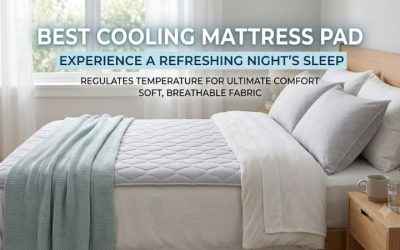
How to Choose the Right Cooling Mattress Pad
The right cooling mattress pad depends on why your bed feels hot. Some sleepers struggle with humidity and trapped moisture, while others sleep on a mattress that retains heat. A breathable pad may improve the first situation, but a consistently hot sleep surface may require a different approach.
Identify What Makes Your Bed Feel Hot
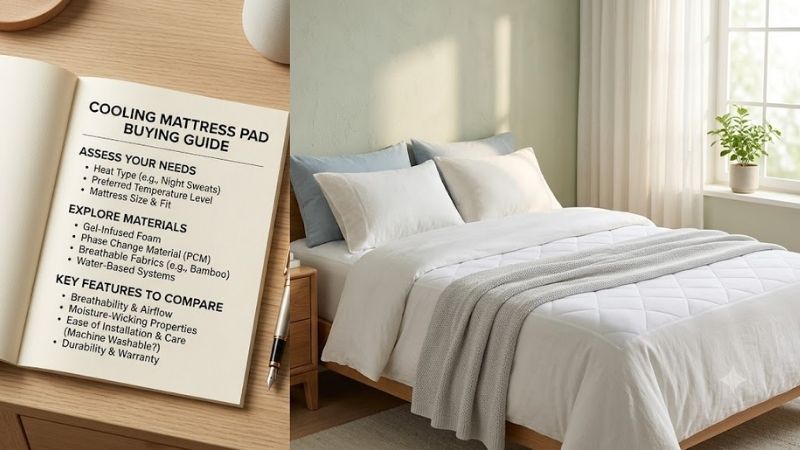
Before comparing materials, consider when and where you overheat. Do you feel warm immediately after getting into bed, or do you wake up sweating several hours later? Does the heat feel concentrated beneath your back and hips, or does the entire bedroom feel uncomfortable?
These distinctions matter because cooling mattress pads address different problems.
-
Surface warmth: A cool-touch fabric may feel refreshing when you first lie down.
-
Trapped body heat: Breathable construction can help reduce insulating layers between your body and the mattress.
-
Nighttime moisture: Moisture-managing materials may improve comfort when perspiration accumulates.
-
Persistently high bed temperature: An active cooling system may offer more control than a passive fabric pad.
If the room itself is excessively warm, even a high-quality pad may have limited effect. Bedroom temperature, bedding, humidity, and airflow should be considered alongside the purchase.
Understand Passive and Active Cooling
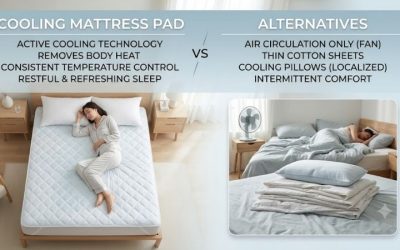
Passive cooling mattress pads use materials and construction to influence heat transfer, airflow, and moisture management. They do not use electricity or refrigeration.
Active cooling systems use powered components, such as fans or temperature-controlled water circulation, to change the thermal conditions of the sleep surface.
| Feature | Passive cooling pad | Active cooling system |
|---|---|---|
| Cooling method | Fabric, moisture management, and construction | Powered airflow or fluid circulation |
| Temperature control | No independent temperature setting | Often adjustable, depending on design |
| Electricity | Usually unnecessary | Required |
| Maintenance | Primarily laundering | Cleaning plus system maintenance |
| Noise | No powered operating noise | May produce fan or pump noise |
| Cost | Generally lower | Generally higher |
| Best suited to | Mild warmth and moisture discomfort | Persistent overheating requiring greater control |
A passive pad is usually the more practical starting point for shoppers seeking simple, low-maintenance comfort. An active system deserves consideration when passive bedding changes have not provided enough relief.
Decide Whether You Need Cooling or Extra Cushioning
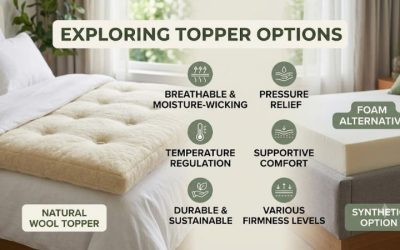
A mattress pad and a mattress topper serve different purposes, although some products combine their characteristics.
A typical mattress pad adds a relatively thin comfort layer and helps modify the feel of the existing sleep surface. A topper is usually thicker and can change cushioning and pressure distribution more noticeably.
For cooling-focused shopping, thickness should not automatically be treated as an advantage. Extra fill can create additional insulation, particularly when airflow through the material is limited.
Choose a thinner, breathable pad if your mattress already feels supportive. Consider a thicker product only when additional softness is an equally important goal, and recognize that its cushioning materials may affect heat retention.
Cooling Mattress Pad Materials Explained
Fabric composition influences how moisture moves, how the surface feels against the skin, and how easily heat can escape. However, the complete construction matters more than an isolated marketing claim about a single fiber.
Cotton for Breathability and Easy Care
Cotton is a common choice for sleepers who prefer a familiar fabric feel and relatively straightforward maintenance. A lightweight cotton cover can allow moisture vapor and air to move through the bedding, depending on its weave and surrounding layers.
Cotton also absorbs moisture, which can be helpful in small amounts but may feel damp if perspiration is substantial and the fabric does not dry quickly.
Look beyond the words “100% cotton.” A cotton top fabric does not necessarily mean the entire pad is cotton. Polyester batting, dense backing, or a waterproof membrane can change how the finished product handles heat and moisture.
Best for: Sleepers seeking a familiar feel, modest temperature comfort, and practical everyday bedding.
Trade-off: Cotton’s absorbency does not guarantee rapid drying or a consistently cool surface.
Lyocell and Other Moisture-Managing Fabrics
Lyocell is a regenerated cellulose fiber often used in soft bedding. It can absorb and manage moisture, making it worth considering for sleepers bothered by clamminess.
The actual benefit depends on fabric construction, finishing treatments, and the layers beneath the cover. Fiber names alone do not establish how cool a complete mattress pad will feel.
Also, distinguish fiber composition from marketing descriptions. A product described as bamboo-derived may contain regenerated cellulose rather than natural bamboo fiber. Check the textile content label to understand what you are buying.
Best for: Shoppers prioritizing a smooth surface and moisture-management characteristics.
Trade-off: Some constructions require more careful laundering, and cooling performance varies between products.
Polyester and Performance Blends
Polyester is widely used in mattress pads because it can provide lightweight fill, resilience, and relatively easy care. Certain engineered fabrics can also move moisture away from the skin.
However, polyester is not inherently cooler than natural fibers. Dense microfiber covers and heavy polyester fill may create an insulating layer that feels warm.
A lightweight, well-ventilated polyester blend may work better for warm sleepers than a thick pad advertised as luxurious.
Best for: Shoppers prioritizing affordability, machine-washable construction, and low maintenance.
Trade-off: Heat and moisture comfort depend strongly on the specific fabric and fill design.
Wool for Moisture and Temperature Management
Wool can absorb moisture vapor and help buffer changes in humidity near the sleeping surface. Some sleepers find wool bedding comfortable across different seasons.
Wool does not actively lower mattress temperature, however. Its insulating properties remain relevant, especially when the pad contains substantial fill.
A lightweight wool pad may offer a more balanced feel than a thick, plush wool layer for someone concerned primarily about overheating.
Best for: Sleepers who want natural-fiber cushioning and moisture buffering.
Trade-off: Wool pads may require specialized care and can feel warmer when heavily filled.
Phase-Change Materials and Cool-Touch Fabrics
Phase-change materials, or PCMs, are designed to absorb or release heat as they transition between physical states over a specified temperature range.
A PCM-treated surface may temporarily absorb warmth when the bedding temperature rises. Its effectiveness depends on the material quantity, transition temperature, construction, and whether the material can subsequently release stored heat.
This is different from continuous cooling. Once a phase-change material has absorbed its available heat capacity, its ability to buffer additional warmth becomes limited until conditions allow it to reset.
Cool-touch fabrics can also produce an initial sensation of coolness through rapid heat transfer from the skin. That sensation does not necessarily mean the pad will keep removing heat throughout the night.
Best for: Sleepers who particularly value a cool initial surface feel.
Trade-off: Initial coolness and sustained temperature control are not interchangeable.
Cooling Mattress Pad Features Worth Comparing
A product’s material label offers only part of the picture. Fit, thickness, surface construction, washing requirements, and compatibility with your existing mattress often determine whether the pad is satisfying in everyday use.
Fabric Weight and Fill Thickness
The amount and arrangement of fill affect both softness and insulation.
A lightly quilted pad generally adds less cushioning than a heavily padded design. For a hot sleeper with an already comfortable mattress, less fill may be preferable because there is less additional material between the body and the mattress.
Thicker construction can still be appropriate if softness is important, but a product should not be assumed to cool better simply because it appears more substantial.
Airflow and Breathable Construction
Breathable fabric may help moisture vapor move through bedding, but real airflow depends on the entire stack of materials.
A perforated cover combined with dense batting or an impermeable backing may not offer the same ventilation as an open construction without those layers.
Check whether the product includes a waterproof barrier, foam layer, or other component that may affect airflow. Breathability claims are most meaningful when they describe the finished pad rather than only its top fabric.
Moisture-Wicking and Drying Ability
Moisture-wicking refers to how liquid moisture spreads or moves through a material. Absorbency describes how much moisture a fiber or fabric can take up. Drying speed is another separate property.
These characteristics can influence comfort during humid nights, but they are not equivalent to active cooling.
If you perspire frequently, prioritize materials that manage moisture comfortably and tolerate regular laundering. A fabric that feels cool initially may be a poor match if it remains damp during the night.
Mattress Depth and Pocket Fit
Measure mattress thickness before purchasing a fitted cooling pad. Include any topper that will remain installed beneath it.
Common US mattress sizes include:
| Mattress size | Standard nominal dimensions |
|---|---|
| Twin | 38 × 75 inches |
| Twin XL | 38 × 80 inches |
| Full | 54 × 75 inches |
| Queen | 60 × 80 inches |
| King | 76 × 80 inches |
| California King | 72 × 84 inches |
Actual mattress dimensions and product sizing tolerances may vary. The pad should match both the surface dimensions and the required pocket depth.
A pocket advertised for a particular maximum mattress height may not fit securely at that limit, especially when the mattress has rounded corners or an additional topper. Check the manufacturer’s fitting guidance rather than relying on the nominal pocket depth alone.
Mattress Protector Compatibility
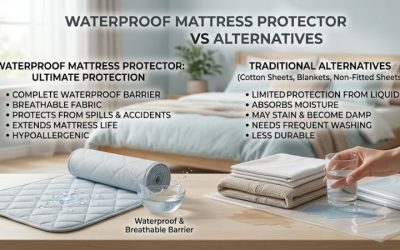
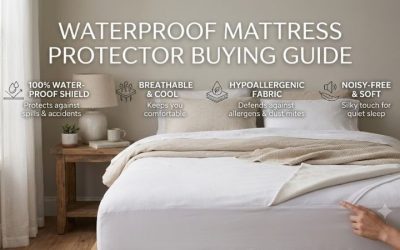
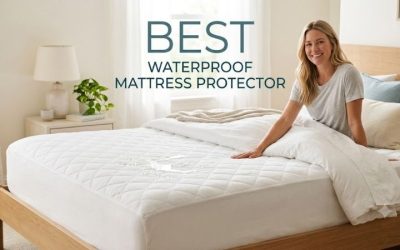
Some shoppers need spill protection in addition to temperature comfort. A waterproof mattress protector may help protect the mattress from accidental moisture, but its membrane can influence vapor transmission and perceived breathability.
A cooling pad placed above a protector can still improve surface feel, although the protector may limit airflow through the full bedding assembly.
If liquid protection is essential, look for specific information about the membrane, fabric construction, washing instructions, and breathability rather than assuming every waterproof product feels the same.
Cleaning and Long-Term Durability
Mattress pads collect body oils, skin particles, and moisture over time. Care requirements should therefore influence the purchase, especially for households that wash bedding frequently.
Verify whether the complete pad is machine washable, whether low-temperature drying is permitted, and whether its fill or surface treatments require special care.
A removable cover is useful on certain specialized systems, but it does not mean every internal cooling component can be machine washed.
Frequent exposure to heat, harsh cleaning agents, or incorrect drying settings may damage some fabric finishes, waterproof membranes, or specialty fibers.
Which Cooling Mattress Pad Is Best for Your Sleeping Style?
Sleeping position affects how your body contacts the mattress, how much pressure cushioning you need, and whether additional padding is desirable. Temperature comfort also depends on bedding and environmental conditions.
Side Sleepers
Side sleepers typically place substantial pressure on their shoulders and hips. If the mattress already cushions these areas comfortably, a lightweight cooling pad can add surface comfort without significantly changing the mattress feel.
A thicker pad may add some softness, but thin quilted bedding will not reliably correct an excessively firm mattress.
Recommended approach: Choose a breathable, lightly cushioned pad when your mattress provides adequate pressure relief. Consider a separate topper if pressure discomfort is the primary problem.
Back Sleepers
Back sleepers often benefit from keeping their mattress’s existing support characteristics intact. A thin cooling pad usually makes more sense than a bulky comfort layer when the mattress already supports the lower back appropriately.
Pay attention to the fill distribution. Thick, compressible padding can change the feel of the sleeping surface without providing the structured support of a mattress.
Recommended approach: Prioritize a stable fitted design, modest padding, and effective moisture management.
Stomach Sleepers
Stomach sleepers may find excessive cushioning uncomfortable if it allows the midsection to settle farther into the bed.
A thin, breathable cooling pad is a sensible option when the existing mattress is supportive. Heavy pillow-top construction may be unnecessary for someone primarily trying to reduce surface warmth.
Recommended approach: Look for minimal added loft and a securely fitted design that remains smooth beneath the body.
Combination Sleepers
Combination sleepers change positions throughout the night, making pad stability especially important.
Poorly fitting pads can bunch, stretch, or shift when the sleeper moves. A continuous elastic skirt or another manufacturer-designed attachment system may help keep the surface in place.
Recommended approach: Choose secure fit and easy maintenance before paying extra for elaborate cooling claims.
Couples With Different Temperature Preferences
Partners may have different heat tolerance levels, and one shared passive pad cannot provide individually adjustable temperatures.
A breathable full-width pad may improve general comfort for both people. However, if one partner wants a substantially cooler surface, a compatible dual-zone active system offers more targeted adjustment.
Recommended approach: Consider independent zone controls when temperature preferences differ significantly, while checking bed-size compatibility, noise, and maintenance requirements.
How Much Should You Spend on a Cooling Mattress Pad?
The best budget is the amount that buys the features you will actually use. Expensive fabric finishes and powered technology are not automatically necessary for every hot sleeper.
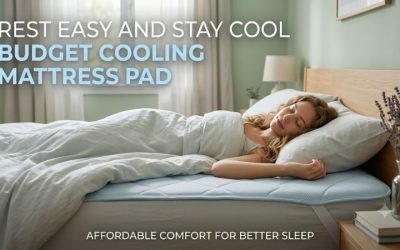
Budget Cooling Mattress Pads
Entry-level products often use cotton, polyester, or blended fabrics with modest amounts of padding.
Focus on basic construction quality rather than the number of cooling-related terms in the product description.
Look for secure elastic, compatible pocket depth, practical laundering instructions, and enough transparency about fabric and fill materials to judge whether the pad suits your needs.
For mild warmth and occasional perspiration, a straightforward breathable pad may be sufficient.
Midrange Cooling Mattress Pads
Midrange options may feature higher-quality covers, moisture-management textiles, lighter specialty fills, or phase-change treatments.
Evaluate whether the additional features solve an actual comfort problem. For example, someone who wakes up clammy may benefit more from moisture management than from a product emphasizing initial cool-to-touch sensation.
A clear material breakdown and manageable care requirements often provide more purchasing value than unsupported temperature claims.
Premium and Active Cooling Options
Higher-priced products may offer complex thermal fabrics or powered cooling.
For active models, compare the complete ownership requirements: controller placement, electricity, operating noise, replacement components, cleaning procedures, and warranty coverage.
A powered system can offer more direct temperature adjustment, but it also introduces potential mechanical failure points and ongoing operating expenses.
Compare Total Ownership Costs
The purchase price is only part of the decision.
| Cost consideration | Passive pad | Active cooling system |
|---|---|---|
| Initial purchase | Usually lower | Usually higher |
| Electricity | Typically none | Ongoing use |
| Routine care | Laundry | Laundry and equipment maintenance |
| Replacement components | Usually limited | May include model-specific components |
| Mechanical repair | Generally not applicable | Potentially relevant |
| Installation effort | Usually simple | May require setup and space near the bed |
For most shoppers, it makes sense to resolve basic bedding and airflow problems before investing in powered temperature control.
Practical Buying Scenarios
Different sleep environments call for different priorities. Rather than selecting a pad based solely on a cooling claim, match the construction to your actual bedroom and mattress.
Hot Sleeper Using a Memory Foam Mattress
Memory foam can conform closely to the body, potentially reducing airflow around areas in contact with the surface. Some foam constructions also retain warmth.
A thin, breathable mattress pad may improve surface comfort, but it cannot fundamentally change the underlying foam structure.
Start with lightweight sheets, appropriate blankets, and a pad with minimal fill. If substantial heat buildup continues, consider an active cooling system or reassess the mattress itself.
Apartment Dweller With Limited Space
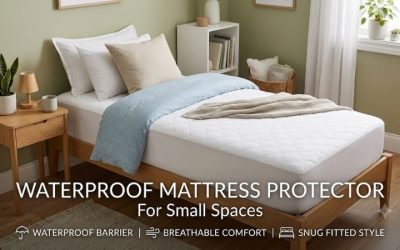
A passive cooling pad is especially practical in a small bedroom because it typically requires no additional floor space, electrical outlet, or separate control unit.
Choose a washable model that fits standard laundry equipment available in your home or apartment building. Bulky filled pads can be inconvenient when washer and dryer capacity is limited.
Sleeper Who Perspires Heavily
A moisture-managing cover and straightforward cleaning routine may be more useful than a cool-touch fabric that feels pleasant only at bedtime.
Check the complete construction for absorbent fill, drying requirements, and possible waterproof backing.
If night sweats are new, persistent, severe, or accompanied by symptoms such as fever or unexplained weight loss, seek medical advice rather than treating a bedding change as the solution.
Family That Needs Mattress Protection
For households with children or pets, liquid resistance may be an important consideration alongside temperature comfort.
A washable cooling pad can protect against some surface soiling, but it should not be assumed waterproof unless the manufacturer explicitly confirms liquid protection.
If spills are a significant concern, prioritize an appropriate protective layer and evaluate whether additional cooling bedding remains comfortable above it.
Buyer With a Limited Budget
If your existing mattress remains supportive, replacing it solely because the surface feels warm may be unnecessary.
Begin by evaluating sheets, blankets, and room conditions. Then select a lightweight cooling pad that fits properly and is easy to wash.
This approach avoids paying for complex technology before identifying whether simpler changes can address the discomfort.
Common Cooling Mattress Pad Buying Mistakes
Understanding what cooling technology cannot do is just as important as understanding its benefits.
Assuming Every Cooling Label Means the Same Thing
Terms such as cooling, breathable, temperature-regulating, and moisture-wicking describe different properties.
A product might feel cool to the touch without supporting sustained heat removal. Another might be highly breathable without producing an obvious cool sensation when first touched.
Read the construction details to determine what the manufacturer actually claims.
Buying Too Much Padding
Heavy fill can be comfortable, but it also adds insulation. Shoppers primarily seeking lower surface warmth should be cautious about choosing extra-thick quilted pads.
If the mattress does not need additional softness, a thinner design is often a more suitable starting point.
Ignoring the Existing Mattress and Bedding
A cooling pad operates as one component of a larger sleep system. Dense blankets, heat-retaining sheets, and a warm mattress can influence its effectiveness.
Replacing a heavy comforter or changing sheet fabric may have a meaningful effect without requiring a premium pad.
Overlooking Fit and Cleaning Restrictions
A pad with impressive fabric features may still be frustrating if it slides off a thick mattress or cannot be cleaned using your available equipment.
Confirm sizing and care instructions before buying. Consider how often the pad will need washing and how much space it will require in the machine.
Paying More for Unsupported Claims
A product description may promise dramatic cooling without explaining the measurement method or test conditions.
Treat temperature reductions, thermal comparisons, and extended cooling-duration claims cautiously unless supported by credible evidence applicable to the finished product.
How to Set Up and Maintain a Cooling Mattress Pad
Correct installation and care can help preserve fit, comfort, and material performance.
Check Fit Before the First Wash
Measure the mattress and compare its dimensions with the product’s stated sizing range. Confirm that the pad sits flat without significant tension at the corners.
If the manufacturer permits trying the pad on the mattress before laundering, check fit while preserving any applicable return conditions.
Install the Layers in the Correct Order
For a typical passive mattress pad, the bedding arrangement is:
-
Mattress
-
Waterproof protector, if used separately
-
Cooling mattress pad
-
Fitted sheet
-
Sleeper and top bedding
Layer order may differ for integrated protectors, active systems, and manufacturer-specific products. Always follow the supplied installation instructions.
A thick fitted sheet or additional mattress layer may change the sensation produced by the cooling pad.
Wash According to the Care Label
Follow the manufacturer’s specified water temperature, detergent, and drying instructions.
Avoid assuming that all cooling fabrics tolerate bleach, fabric softener, or high dryer temperatures. Some specialized finishes and synthetic layers require gentler treatment.
Dry the pad completely before returning it to the mattress. Trapped moisture can produce odors and create conditions favorable to microbial growth.
Maintain Powered Systems Separately
Active cooling products may contain pumps, electrical controllers, hoses, reservoirs, or fans.
Never immerse electrical components unless the manufacturer explicitly identifies them as washable. Use only approved cleaning and fluid-maintenance procedures.
Keep electrical connections protected from spills, avoid obstructing equipment ventilation, and inspect hoses or fittings for leaks where applicable.
Frequently Asked Questions
Do Cooling Mattress Pads Actually Work?
Cooling mattress pads can improve sleeping comfort, but effectiveness depends on the technology and source of discomfort. Breathable and moisture-managing pads can help reduce clamminess and unnecessary insulation. Active systems can provide adjustable surface cooling. Passive pads do not function like air conditioners and cannot guarantee a consistently lower bed temperature.
What Is the Best Material for a Cooling Mattress Pad?
There is no universally best material. Lightweight cotton can provide a breathable surface, lyocell fabrics may offer useful moisture management, and specialized phase-change fabrics can temporarily buffer thermal changes. The complete pad construction, including fill and backing, matters more than the top fabric alone.
Are Cooling Mattress Pads Better Than Cooling Mattress Toppers?
They solve somewhat different problems. A cooling mattress pad is generally thinner and better suited to modest surface adjustments. A cooling mattress topper is typically thicker and may change mattress cushioning more substantially. Choose a pad when your mattress already feels comfortable; consider a topper when additional cushioning is also needed.
Can I Use a Cooling Mattress Pad on Memory Foam?
Yes, provided the product fits the mattress and is compatible with the manufacturer’s recommendations. A breathable pad may improve the immediate sleep surface, but it will not eliminate heat retention within the underlying foam. Lightweight bedding and bedroom conditions still matter.
How Often Should I Wash a Cooling Mattress Pad?
Washing frequency depends on the manufacturer’s guidance, perspiration, spills, allergies, and whether a fitted sheet separates the sleeper from the pad. Some households may need to wash pads more frequently than others. Always follow the care label and ensure complete drying before use.
Is an Electric Cooling Mattress Pad Worth It?
An active system may be worthwhile for someone experiencing persistent overheating despite improvements to bedding and bedroom temperature. Adjustable cooling can offer greater control than passive fabric technology. However, the higher cost, electricity, noise, maintenance, and possible equipment repairs make it less attractive for mild warmth discomfort.
Conclusion
The best approach to buying a cooling mattress pad is to identify whether you need better breathability, moisture management, a cooler initial surface, or sustained temperature control. Start with a lightweight, properly fitted passive pad if your mattress already feels supportive and overheating is mild. Consider active cooling when more direct adjustment is necessary, and always weigh cleaning requirements, construction, and long-term costs against advertised cooling benefits.