Key takeaways
- Pro: Wireless LAN design transfer saves time and reduces clutter on the workspace.
- Pro: Handles full sewing functions alongside embroidery, so it replaces two machines.
- Con: Highest price on this list; buyers who only need straight sewing overpay significantly.
A buyer searching for an advanced sewing machine in 2026 is rarely after a simple straight stitch. The real question is which machine handles embroidery, heavy fabrics, complex quilting patterns, and computerized automation without breaking down or requiring a steep learning curve. With dozens of models claiming “advanced” status on spec sheets that vary wildly in actual capability, separating a genuinely versatile workhorse from a feature-packed frustration is the core challenge this list addresses.
We compared every model below on published stitch counts, included accessory packages, display quality, connectivity options, and aggregated owner feedback from retail listings. What emerged is a clear hierarchy: some machines deliver broad functionality at moderate prices, others specialize in one task and excel, and a few offer headline features that fall short in daily use. The picks below cover entry-level portability through full computerized embroidery and every tier in between.
Our top picks




As an Amazon Associate we earn from qualifying purchases at no extra cost to you.
Quick Picks
| Product | Best for | Price |
|---|---|---|
| Brother SE700 | Sewing and embroidery combined | $579.99 |
| Brother XR9550 | Quilting stitch variety | $262.99 |
| Brother XM2701 | Portable beginner use | $149.00 |
| Brother CS7000X | LCD-guided quilting | $279.99 |
| SINGER 4411 | Heavy-duty high speed | $179.99 |
| Brother XR3774 | Budget quilting projects | $184.99 |
| Brother CS5055 | Computerized entry point | $134.00 |
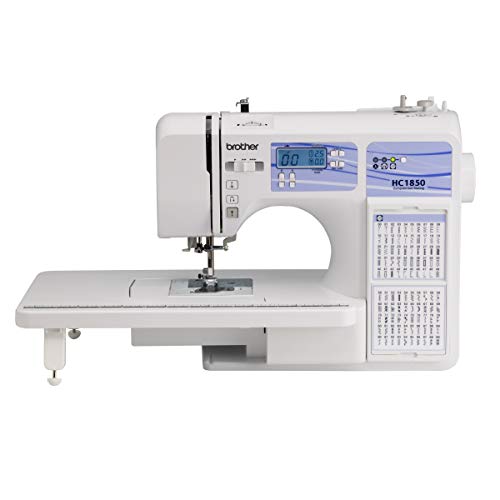
| Brother HC1850 | Built-in stitch library size | $299.99 |
How We Picked
Four criteria drove this ranking: total stitch and design count (including alphabet styles and decorative patterns), the number and quality of included presser feet since these dictate real-world project range, display and connectivity features that reduce manual threading and pattern entry errors, and the price-to-capability ratio relative to owner-reported reliability over time. A machine that lists 165 stitches but ships with only two feet delivers less practical versatility than one with 80 stitches and eight feet.
The 8 Best Advanced Sewing Machines in 2026
Brother SE700 Sewing and Embroidery Machine
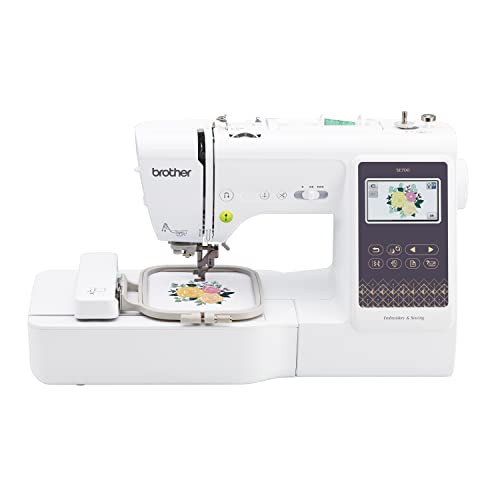
This is the pick for crafters who want embroidery and general sewing in one footprint. The wireless LAN connection lets you pull designs from a library without a USB cable, which owners consistently flag as the most useful feature. Eight included feet cover common project types out of the box. The dual-purpose design means you avoid buying a separate embroidery-only unit.
- Pro: Wireless LAN design transfer saves time and reduces clutter on the workspace.
- Pro: Handles full sewing functions alongside embroidery, so it replaces two machines.
- Con: Highest price on this list; buyers who only need straight sewing overpay significantly.
When to skip: If you never plan to embroider or do not want to manage a wireless connection, the Brother HC1850 delivers most sewing features for far less.
Brother XR9550 Computerized Sewing and Quilting Machine
The XR9550 targets quilters who want pattern variety without entering the premium embroidery tier. A spec sheet listing 165 built-in stitches gives this machine more decorative and utility options than most competitors under $300. Owners praise the auto thread cutter and the wide workspace for free-motion quilting.
- Pro: 165 stitches offer exceptional pattern range for the price bracket.
- Pro: Wide throat area accommodates bulky quilts without constant repositioning.
- Con: Does not include embroidery capability, so it cannot serve a dual sewing-and-embroidery role.
When to skip: If you need a compact travel machine or already own a quilting-specific unit, the Brother XM2701 or CS5055 fill narrower niches at lower cost.
Brother XM2701 Portable Sewing Machine
The XM2701 is the obvious choice for someone who needs a reliable, lightweight machine that lives in a shelf or bag between projects. Twenty-seven stitches cover all common garment and home-decor tasks. The automatic needle threader is genuinely helpful for users with limited patience for manual threading.
- Pro: Portable weight and compact footprint make it ideal for tight spaces or travel.
- Pro: Low entry price removes the financial risk of committing to a hobby.
- Con: Limited stitch count and no display or connectivity restrict advanced project types.
When to skip: If your projects regularly involve quilting layers thicker than three fabrics, or if you want decorative stitch variety beyond basics, step up to the Brother CS7000X or SINGER 4411.
Brother CS7000X Sewing and Quilting Machine
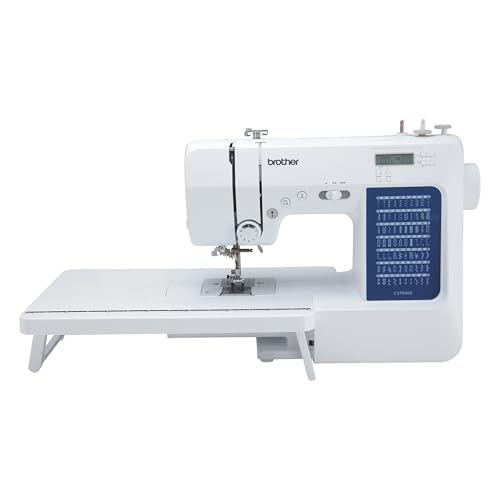
The CS7000X sits in a productive middle zone: LCD-guided operation, quilting-specific features, and a price that undercuts full embroidery machines. Owners appreciate the backlit display for reading stitch patterns in dim lighting. It is a strong fit for intermediate quilters upgrading from a mechanical model.
- Pro: LCD display simplifies stitch selection and reduces errors for pattern-dependent work.
- Pro: Competitive price for a machine with computerized controls and quilting orientation.
- Con: Fewer included feet than the HC1850 at a comparable price point.
When to skip: If you prioritize maximum built-in stitch count above all else, the Brother XR9550 or HC1850 offer larger libraries for similar or lower budgets.
SINGER 4411 High Speed Heavy Duty Sewing Machine
The SINGER 4411 exists for one reason: pushing thick, tough fabric at speed without stalling. Its high-speed motor is the primary reason owners choose it over the many Brother models in this price range. The included accessories package adds immediate utility for garment construction.
- Pro: Heavy-duty motor handles denim, canvas, and upholstery without thread bunching complaints common on lighter machines.
- Pro: High stitch speed reduces time on long straight-seam projects like curtains or tarps.
- Con: Mechanical rather than computerized, so there is no LCD, no automatic pattern selection, and no connectivity.
When to skip: If your work involves decorative stitching, embroidery, or fine quilting detail where precision controls matter more than raw speed, a computerized Brother model serves better.
Brother XR3774 Sewing and Quilting Machine
Thirty-seven built-in stitches make the XR3774 a capable quilting-focused option that stays under two hundred dollars. The automatic needle threader and included quilting foot make it approachable for new quilters who want more than a beginner machine but cannot justify premium pricing.
- Pro: Quilting-specific foot and stitch patterns included at a budget-friendly price.
- Pro: Lightweight enough for craft-room relocation without being flimsy during heavy use.
- Con: No LCD display; stitch selection relies on a printed reference, which slows pattern changes.
When to skip: If you sew garments or do heavy-duty work more often than quilting, the SINGER 4411 or CS7000X offer better value for those specific tasks.
Brother CS5055 Computerized Sewing Machine
At $134, the CS5055 is the cheapest way to get an LCD screen and computerized stitch selection. It suits someone who wants digital convenience without paying for quilting-specific features they will not use. The automatic needle threader and drop feed are welcome at this price.
- Pro: Lowest price point that still includes a computerized display and automated threading.
- Pro: Simple interface keeps the learning curve shallow for first-time digital machine buyers.
- Con: Limited stitch library and fewer included feet mean it quickly feels restrictive for growing hobbyists.
When to skip: If your projects will expand into quilting or decorative work within a year, the small price gap between the CS5055 and the XR3774 or CS7000X justifies jumping ahead.
Brother HC1850 Sewing and Quilting Machine
The HC1850 delivers 185 built-in stitches, an LCD display, and eight included feet, making it the best-rounded sewing-only machine on this list. It covers decorative, utility, and quilting patterns in one package without reaching into embroidery pricing. The included feet alone offset buying separate accessories.
- Pro: Eight included feet cover the widest range of project types among sewing-only models here.
- Pro: 185 built-in stitches rival or exceed higher-priced competitors in raw pattern count.
- Con: Slightly higher price than the XR9550 despite similar stitch counts, so value depends on whether you need the extra feet.
When to skip: If you need embroidery or wireless design transfer, the SE700 is the only option here that covers both functions, and no amount of price shopping makes the HC1850 a substitute.
Buying Guide
Stitch Count and Pattern Library Size
A higher stitch number is not automatically better, but it does define the ceiling of what you can do without external software. Below thirty stitches, you are limited to utility and basic decorative work. Fifty to one hundred opens substantial pattern variety for garments and quilting blocks. Over one hundred and fifty, you gain access to alphabet styles, complex lace patterns, and specialty fills that reduce the need for manual editing. Match the count to your actual project types rather than chasing the highest number.
Included Presser Feet and Accessory Packages
Feet are where spec sheets mislead. A machine with 165 stitches but only two feet forces you to buy additional accessories before you can execute most patterns. Eight feet, as found on the Brother HC1850 and SE700, typically cover zipper insertion, buttonholes, quilting, and blind hems without extra purchases. Count the feet before comparing stitch totals; a lower-stitch machine with a generous foot package often ships with more real-world capability.
Display Type and Connectivity Options
LCD screens eliminate the guesswork of reading printed stitch references and reduce pattern-selection errors, particularly for users with limited vision or working in poor lighting. Wireless LAN, found on the Brother SE700, allows design file transfer without physical cables, which matters if you pull new embroidery patterns frequently. If you sew the same utility stitches repeatedly, neither feature changes your workflow, so skip the premium these capabilities add.
Our Verdict
Top pick: The Brother HC1850 offers the best balance of stitch variety, included accessories, and price for anyone who sews and quilts without needing embroidery. Budget pick: The Brother CS5055 at $134 gives you a computerized display and automated threading for the least money on this list. Condition change: If your primary use is sewing through thick upholstery or denim at speed rather than producing decorative patterns, the SINGER 4411 is the superior machine despite its mechanical controls and smaller stitch library.
FAQ
Do I need a computerized machine over a mechanical one?
Only if you frequently switch between decorative patterns, use automatic thread cutting, or rely on an LCD to identify stitch settings. For straight-seam garment work and simple hems, a mechanical machine like the SINGER 4411 does the job faster and with fewer electronic failure points.
How many presser feet do I actually need for quilting?
A quilting foot and a walking foot cover most patchwork and free-motion tasks. Additional feet for buttonholes, zippers, and blind hems matter for mixed projects but are not quilting-specific. The Brother HC1850 and SE700 with eight included feet eliminate accessory shopping entirely.
Is wireless connectivity necessary on a sewing machine?
It is useful only if you download new embroidery designs regularly and want to avoid transferring files via USB. For sewing-only machines, no model on this list offers wireless as a meaningful benefit, so it is a feature you pay for solely through the SE700.
Can a portable machine handle quilt layers without problems?
Thin quilts with two or three fabric layers work on most portable models, but batting thickness and seam bulk will strain a small motor. If quilting is your main use, choose a machine with a wide throat and dedicated quilting foot rather than prioritizing portability.