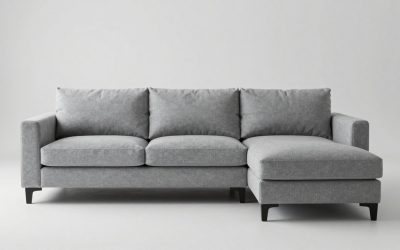
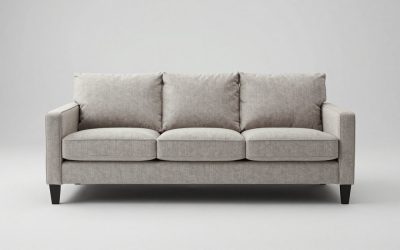
Key takeaways
- Rubbing a spill. Rubbing drives liquid deeper and frays the pile. Blot straight down with a folded towel, replace it with a dry one, and repeat until nothing transfers.
- Using a steam cleaner on urine. Heat bonds the proteins to the fiber and sets the odor permanently. Enzymes first, steam only after the smell is gone.
- Choosing a cover that is too small. A cover stretched tight rides up in a day. Measure seat width, back height, and arm-to-arm span; a “3 cushion” cover typically fits sofas 78 to 90 inches wide.
- Leaving a wet cover on the sofa. Waterproof covers trap moisture underneath. Pull the cover the same day a large spill happens and let both layers dry.
- Skipping the hidden-spot test. Some protector sprays darken linen and cotton blends noticeably.
- Buying loose-weave or looped fabric to begin with. If you are replacing the sofa, choose a tight weave such as microfiber, performance polyester, or canvas with a rub count above 25,000. Chenille and boucle catch claws immediately.
A fabric sofa and a dog can coexist for a decade, but only if you get ahead of the two things that actually ruin upholstery: claws that snag and lift loops of fiber, and liquids that soak past the fabric into the foam. Skip the prep and the damage compounds fast. A single untreated urine spill wicks into a 4- to 6-inch-thick seat cushion where it cannot be rinsed out, and the odor comes back every humid day. Repeated scratching on a loose-weave fabric pulls threads until the arm looks fuzzy and thin, and no cleaner reverses that. The good news is that protection is cheap and mostly a matter of routine. Here is how to set it up properly.
What You Need
| Item | Why | Optional? |
|---|---|---|
| Waterproof pet blanket or throw (roughly 60 x 80 inches for a standard sofa) | First line of defense on the seat your dog actually uses; catches hair, mud, and small spills before they reach the fabric. The Waterproof Dog Blanket, Non-Slip Couch Cover for Pet runs about $9.99 and has a grippy underside so it stays put. | No |
| Full waterproof slipcover | Protects seat, back, and arms in one piece; best for puppies, seniors, or dogs that climb the backrest. The Easy-Going 100% Waterproof Couch Cover for a 3-cushion sofa is about $26.99. | Recommended for heavy-use homes |
| Fabric protector spray (fluorine-free or silicone-based) | Makes the underlying upholstery repel liquid for a few months so spills bead up instead of soaking in. | No |
| Enzyme cleaner | Breaks down urine, vomit, and drool proteins that ordinary soap leaves behind. | No |
| Nail clippers or grinder | Blunt nails cannot hook a fabric loop. Trimming every 2 to 3 weeks removes most scratch damage at the source. | No |
| Rubber upholstery brush or lint roller | Lifts hair out of the weave without abrading fibers. | No |
| Microfiber towels (at least four) | Blotting spills quickly is the single biggest factor in whether a stain sets. | No |
| Dog bed or designated cushion | Gives the dog an approved spot so the sofa is a privilege, not the default. | Yes, but it reduces wear dramatically |
| Double-sided anti-slip tape or cover straps | Keeps covers from bunching when a 60-pound dog jumps on and off. | Yes |
Step-by-Step
Step 1: Check the cleaning code and test the fabric (10 minutes)
Look under the seat cushion for the manufacturer tag. A “W” means water-based cleaners are safe, “S” means solvent only, “W/S” means either, and “X” means vacuum only. Everything you do afterward depends on this code. Then choose a hidden spot, such as the back of a seat cushion or the underside of the skirt, and dab a little water and a little of your protector spray to confirm neither leaves a ring or dulls the color. Wait until it dries fully before judging.
Our top picks

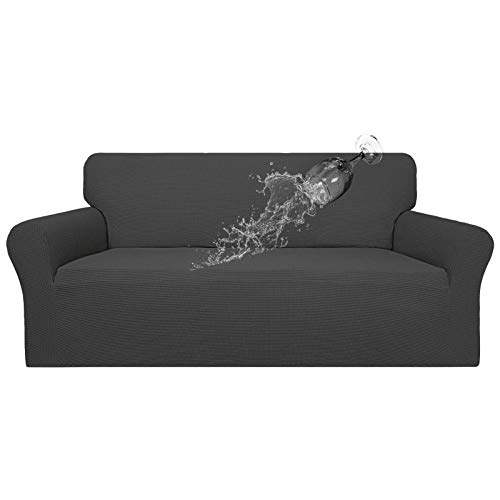
As an Amazon Associate we earn from qualifying purchases at no extra cost to you.
Step 2: Vacuum and de-hair the sofa completely (15 to 20 minutes)
Protector spray bonds to fibers, not to a layer of dander. Use the upholstery tool along every seam and under the cushions, then run a rubber brush in one direction to pull embedded hair to the surface. On a three-seat sofa this typically takes 15 minutes. If the sofa already smells, apply enzyme cleaner now, let it work for the time listed on the bottle (usually 10 to 15 minutes), blot, and let the fabric dry overnight before continuing.
Step 3: Apply fabric protector in two light coats (30 minutes plus 4 to 6 hours drying)
Working in a ventilated room, hold the can 6 to 8 inches from the fabric and mist evenly across the seat, arms, and back. A three-seat sofa uses most of a standard 10- to 14-ounce can per coat. Let the first coat dry for about two hours, then apply a second. The fabric should look and feel unchanged when dry; if it feels stiff you over-applied. Keep pets off for at least 6 hours, ideally overnight.
Step 4: Fit the waterproof cover or blanket (10 to 15 minutes)
For a spot cover, spread the pet blanket over the cushion your dog favors, waterproof layer down, non-slip side against the sofa. For a full slipcover, drape it over the sofa, then tuck the excess fabric deep into the crevices between the seat cushions and the back and arms using a rolled magazine or the foam tuck rods that come with most covers. Fasten the elastic straps under the frame. A properly tucked cover should not shift when you sit down hard.
Step 5: Set up the dog’s approved zone (20 minutes, then ongoing)
Place a bed or a folded blanket beside the sofa or on one designated cushion. Reward the dog for using it for a week. Dogs that scratch the sofa are usually nesting before lying down, and giving them a soft surface they can dig at redirects the behavior. This step does more to prevent scratches than any product.
Step 6: Trim nails and start a maintenance calendar (15 minutes)
Clip or grind nails so they do not touch the floor when the dog stands. Put three recurring reminders on your phone: nail trim every 2 to 3 weeks, cover wash every 1 to 2 weeks, and protector reapplication every 3 to 6 months. Protection fails quietly when the schedule lapses.
Mistakes to Avoid
- Rubbing a spill. Rubbing drives liquid deeper and frays the pile. Blot straight down with a folded towel, replace it with a dry one, and repeat until nothing transfers.
- Using a steam cleaner on urine. Heat bonds the proteins to the fiber and sets the odor permanently. Enzymes first, steam only after the smell is gone.
- Choosing a cover that is too small. A cover stretched tight rides up in a day. Measure seat width, back height, and arm-to-arm span; a “3 cushion” cover typically fits sofas 78 to 90 inches wide.
- Leaving a wet cover on the sofa. Waterproof covers trap moisture underneath. Pull the cover the same day a large spill happens and let both layers dry.
- Skipping the hidden-spot test. Some protector sprays darken linen and cotton blends noticeably.
- Buying loose-weave or looped fabric to begin with. If you are replacing the sofa, choose a tight weave such as microfiber, performance polyester, or canvas with a rub count above 25,000. Chenille and boucle catch claws immediately.
How Often
Blot spills immediately, every time. Vacuum and de-hair weekly, or twice a week during shedding season. Wash the pet blanket or slipcover every one to two weeks on a cold, gentle cycle and hang or tumble dry on low; heat above medium can crack the waterproof membrane. Reapply fabric protector every 3 to 6 months, sooner if water stops beading on the seat. Trim nails every 2 to 3 weeks. Once a year, remove all cushion covers that are zippered and washable, check the foam for odor, and rotate the seat cushions so wear is even.
When to Call a Pro or Replace
Call an upholstery cleaner when odor persists after two enzyme treatments, which means urine reached the foam core. A professional hot-water extraction with an odor treatment typically costs $100 to $250 for a three-seat sofa. Call a reupholsterer when scratches have pulled threads across an area larger than your hand or a seam has opened; patching a single arm panel runs $150 to $400 depending on fabric. Replace the sofa when the foam smells even after extraction, when the fabric is thinning in multiple spots, or when the cost of repairs exceeds about half the price of a comparable new sofa. For many pet households a $700 to $1,500 performance-fabric sofa with removable, washable cushion covers is the better long-term buy in 2026, because it makes every step above easier.
FAQ
Does fabric protector spray really stop dog urine from soaking in?
It buys you time, not immunity. A fresh coat causes liquid to bead for several seconds to a minute, long enough to blot most of it before it penetrates. It will not hold back a puddle that sits for an hour, which is why a waterproof cover on the dog’s favorite seat matters more than the spray alone.
Will a waterproof cover make the sofa hot or sweaty to sit on?
Older vinyl-backed covers did. Current quilted covers use a thin polyurethane membrane under a soft polyester face, and most people cannot tell the difference at room temperature. If a family member is sensitive, use a spot pet blanket on one cushion and leave the rest of the sofa uncovered.
Which sofa fabrics resist dog scratches best?
Tight, flat weaves win. Microfiber and microsuede have very short fibers with nothing for a claw to hook. Performance polyester and acrylic blends rated above 25,000 double rubs also hold up well. Avoid chenille, boucle, tweed, and anything with visible loops or a pile taller than a few millimeters.
Can I use a regular bed sheet instead of a pet blanket?
A sheet stops hair and mud but not liquid, and it slides off within minutes because it has no grip layer. A purpose-made pet blanket with a non-slip backing costs about the same as a decent sheet and actually stays in place when a dog jumps up.