Our Top Picks
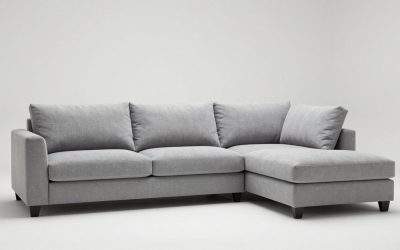
 Trygoal 71" L Shaped Queen Pull Out SofaStorage Chaise49.2 x 71.3 x 32 Inches137.5 poundsCheck on Amazon
 Yaheetech L Shaped Pull Out Sectional Sofa Bed51.5D X 80.5W X 33.5H"51.5 x 80.5 x 33.5 InchesCheck on Amazon
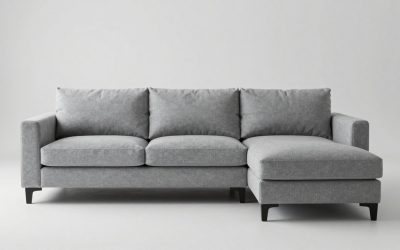
A typical L shaped sofa bed with storage measures 82–100 inches across, projects a 55–65 inch chaise into the room, sleeps the equivalent of a full or queen mattress, and hides roughly 100–160 liters of storage under the chaise seat — and the right one for you depends mainly on which corner it fills, which way the bed pulls out, and whether you need a compact footprint for a small room.
Dimensions: what to expect by size class
Listings often bury the numbers that matter, so use these benchmarks when comparing. The critical figure is not overall width — it’s the chaise projection (how far it juts into the room) and the pull-out depth.

Sofa Bed Pull Out 2 in 1 Sectional Sleeper Sofa L Shaped Couch with Storage
Picked as a relevant option in this category.
View on AmazonTrygoal 71" L Shaped Queen Pull Out Sofa Bed with Storage, USB Port, Black
Chosen because it specifies USB Port and Black.
View on Amazon
Trygoal 71" L Shaped Queen Pull Out Sofa Bed with Storage, USB Port, Gray
Chosen because it specifies USB Port and Gray.
View on AmazonYaheetech L Shaped Pull Out Sectional Sofa Bed with Storage, Black | Pull Out Sofa Bed Convertible Couch with Trundle Sleeper and Hiden Compartment for Small Spaces and Living Rooms
Chosen because it specifies Black.
View on Amazon| Spec | Small / compact | Standard | Oversized |
|---|---|---|---|
| Overall width | 72–85 in | 85–100 in | 100–120 in |
| Chaise projection from wall | 50–58 in | 58–65 in | 62–72 in |
| Sleep surface | 48–55 in × 72–78 in (twin–full) | 55–60 in × 78–80 in (full–queen) | 60+ in × 80 in (queen) |
| Seat height | 16–18 in | 17–19 in | 18–20 in |
| Bed height when open | 14–17 in | 15–18 in | 16–19 in |
| Storage volume | 60–100 L | 100–160 L | 150–220 L |
| Typical price range | $400–$800 | $600–$1,200 | $1,000–$1,800+ |
For reference, the long-running IKEA Friheten — the model most of this category is compared against — sits in the standard class at about 90 inches wide with a sleep surface near 55 × 80 inches, slightly narrower than a true queen. Anything sleeping under 55 inches wide is really a one-adult bed, whatever the listing claims.
Chaise orientation: left, right, or reversible
Orientation is where most ordering mistakes happen. Manufacturers describe it in two conflicting ways:
- Facing orientation — stand in front of the sofa and look at it. If the chaise extends to your left, it’s “left-facing.”
- Arm-facing (seated) orientation — sit on the sofa. If the arm is on your left, it’s “LAF” (left-arm facing). This is the mirror image of facing orientation.
Always verify with the dimension diagram, not the label. A reversible chaise — where the ottoman-style base detaches and can be mounted on either side — removes this risk entirely and is the safer pick for renters or anyone who might rearrange. Fixed-orientation models usually have a slightly cleaner frame construction, but lock you into one corner layout.
Place the chaise against the longer wall or under a window, and keep the pull-out side aimed at open floor, not toward a media unit or coffee table you’ll have to drag away every night.
Pull-out mechanisms compared
Three mechanisms dominate this category, and they differ more than listings suggest:
| Mechanism | How it opens | Strengths | Weaknesses |
|---|---|---|---|
| Pull-out trundle | Seat base slides forward; a hidden platform rises to fill the gap | Flat, firm sleep surface; opens in under a minute; pairs with storage chaise | Sleeps firm (some add a topper); bed sits low at ~15 in |
| Fold-down backrest | Backrest clicks flat level with the seat | Cheapest; fewest moving parts | Seam down the middle; narrower sleep width; backrest cushions wear as a sleep surface |
| Pull-out innerspring | Folded mattress on a metal frame pulls from the base | Most mattress-like feel | Rare in L-shapes; heavy; often eliminates under-seat storage |
The trundle design is the reason this category exists: the storage chaise and the pull-out are independent, so you get both. It’s also the friendliest mechanism for guests — no unfolded mattress, no legs to lock.
How much the storage actually holds
Storage lives under the chaise cushion on a hinged lid, occasionally with a gas strut. In a standard-size chaise the cavity runs about 100–160 liters — realistically a queen duvet, two pillows, a folded sheet set, and a throw. Compact chaises hold a single bedding set.
Two practical notes listings won’t tell you:
- The lid is not a seat. It’s a cover over a fabric or thin board base; don’t sit on it, and keep the stated load (usually 10–15 kg on the lid itself) in mind.
- The cavity floor is often fabric, not solid panel. Store bedding in a zip bag or bin so it doesn’t drag on the carpet through the fabric base.
Measuring your room — including small living rooms
A small L shaped sofa bed (72–85 inches wide) fits a room as tight as 10 × 12 ft if you measure in this order:
- Corner walls. Measure both walls forming the corner. The sofa should stop 4–6 inches short of any door swing or walkway edge.
- Pull-out clearance. The trundle extends roughly 55–60 inches in front of the seat cushions. You need that much clear floor opposite the sofa — measure wall to wall, not wall to coffee table.
- Walkways. Keep 30–36 inches for the main traffic path. In a 10 × 12 ft room that usually means the chaise projects along the 12-ft wall and the pull-out opens toward the room’s center.
- Delivery path. Standard interior doors are 30–32 inches. These sofas ship flat-packed in 2–4 boxes typically 60–140 lb each, which clears most 28-inch doors — but check the carton dimensions in the spec sheet, not the assembled size.
Which one fits your situation
| Your situation | Prioritize |
|---|---|
| Apartment under ~150 sq ft living room | 72–85 in width, reversible chaise, trundle pull-out, chaise projection ≤58 in |
| Renter / likely to move | Reversible or modular two-piece frame, boxes under ~100 lb |
| Kids and pets | Removable washable covers, tight-weave or performance fabric, foam density ≥1.8 lb/ft³ |
| Nightly sleeping / back concerns | Trundle mechanism plus a 2-in topper; foam 2.0 lb/ft³+; verify the surface is gap-free when open |
| Occasional guests only | Maximize storage volume; sleep comfort is secondary |
On materials: solid wood or plywood frames outlast particleboard at the joints; sinuous-spring seats hold shape better than webbing-only bases. Budget click-clack models under ~$400 typically use 1.5 lb/ft³ foam that shows seat impressions within a year of daily use — fine for a guest room, frustrating as your main sofa.
Assembly, moving, and what wears first
Plan for a two-person, 45–90 minute assembly. The sectional halves join with metal interlocking brackets; misaligned brackets are the most common setup headache, so assemble both halves fully before joining them. During a move, the two halves separate, which is why this format survives stairs that kill a conventional sleeper sofa.
Wear order is predictable: the pull-out fabric handle first, then seat cushion foam on the main seat, then the gas strut or hinge on the storage lid. Retighten the connecting brackets every 6–12 months — looseness there causes the creaking owners mistake for frame failure.
FAQ
Is an L shaped sofa bed with storage comfortable enough for every-night sleep?
The trundle type is flat and firm rather than plush — most nightly sleepers add a 2-inch foam topper, which conveniently stores inside the chaise itself. Avoid fold-down backrest designs for daily sleeping; the cushion seam becomes noticeable fast.
How do I tell left-facing from right-facing?
Stand facing the sofa: chaise on your left is left-facing. Because some brands use seated-arm terminology instead, confirm against the listing’s overhead diagram before ordering a fixed-orientation model.
Will the bedding for the pull-out fit inside the storage chaise?
In standard and oversized models, yes — a queen duvet, pillows, and sheets fit in the 100–160 liter cavity. Compact chaises under about 80 liters hold sheets and a duvet but may not fit full-size pillows.