Key takeaways
- Mid-Tier High-Density Foam Sectional:
- Initial Purchase Price: $1,800
- Maintenance Costs: $0
- Mid-Life Core Refresh (Year 4 or 5): $150 – $300 (replacing main seat foam cores if softening occurs)
- 5-Year Total Cost: ~$1,950 – $2,100
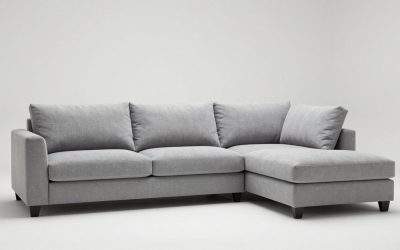
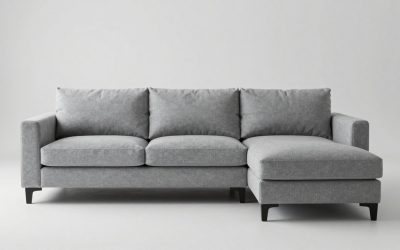
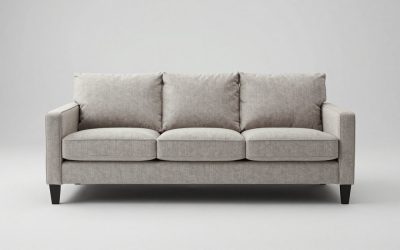
Shopping for a sectional sofa often comes down to a fundamental comfort decision: structured support versus sink-in luxury. When evaluating foam vs down feather sectional sofa cushions, you are not just choosing how a sofa feels on day one—you are choosing how your living room functions every day for years to come. A sectional is an anchor investment, taking up significant square footage and serving as the primary hub for lounging, working, entertaining, and family downtime.
The choice between high-resilience polyurethane foam and natural down feather fill dictates everything from your physical posture to your daily housekeeping routine. Polyurethane foam provides clean, tailored lines and predictable bounceback, while down feather offers standard-setting, cloud-like softness that molds directly to your body. Understanding the structural differences, long-term durability, maintenance demands, and realistic five-year ownership costs will ensure you invest in the right cushion construction for your lifestyle in 2026.
Our top picks


As an Amazon Associate we earn from qualifying purchases at no extra cost to you.
Quick Verdict
Choose foam cushions if you want low-maintenance seating, crisp architectural lines, strong lumbar support, and lower upfront costs. High-density foam retains its shape immediately upon standing, making it ideal for busy households, families with young children, and individuals who prefer an upright, supported sit.
Choose down feather cushions if you prioritize deep, indulgent comfort, organic aesthetic drapes, and long-term fill adjustability. While feather fills require frequent flipping and fluffing to maintain loft, high-quality down cores can last significantly longer than foam because you can continually refresh or top off the fill over time.
Side by Side
| Feature | High-Density Foam | Down Feather / Down Blend |
|---|---|---|
| Comfort Feel | Supportive, firm-to-medium bounceback; subtle contouring | Plush, sink-in softness; deep body-molding contour |
| Durability & Lifespan | 5 to 8 years before cell structure weakens | 10 to 15+ years (fill can be continuously refreshed) |
| Price Range (Full Sectional) | $1,200 – $3,200 | $2,500 – $6,500+ |
| Daily Maintenance | Zero; instantly recovers shape without intervention | Moderate to High; requires regular fluffing and rotation |
| Space Needed | Compact; holds clean edges in tight footprints | Generous; billowy cushions expand outwards |
| Visual Look | Tailored, modern, structured, pristine | Relaxed, organic, casual luxury, slightly rumpled |
| Resale & Long-Term Value | Moderate; sags require full cushion core replacement | High; highly sought after in premium upholstery markets |
| Best For | Active families, renters, home offices, tight spaces | Lounging, dedicated media rooms, luxury formal spaces |
Where Foam Wins
Foam is the unquestioned king of structural integrity and hassle-free living. Modern furniture manufacturers utilize open-cell polyurethane foam rated by density (weight per cubic foot) and Impression Load Deflection (ILD), which measures firmness. High-density foam (ranging from 1.8 to 2.8 lbs/cu. ft.) creates a supportive seat foundation that distributes body weight evenly without collapsing under pressure.
The primary advantage of foam is zero maintenance. When you stand up from a foam sectional, the cushion instantly snaps back to its flat, crisp profile. You do not need to punch, shake, or plump the seat back into shape before guests arrive. For modern, mid-century, or minimalist interior designs that rely on sharp angles and unwrinkled upholstery, foam is essential.
Foam is also exceptionally practical for DIY upholstery fixes or standard seat core replacements. If a bottom seat cushion loses its support after years of heavy use, sourcing replacement foam blocks is straightforward. For instance, builders and upholsterers frequently layer firm foam foundations like the GoTo Foam 2″ Height x 24″ Width x 72″ Length 43ILD (Firm) Upholstery Cushion Made in USA (priced around $27.65) underneath softer topper foams to restore structural integrity. Smaller accent repairs or thinner padding upgrades can be easily handled with sheets like the GoTo Foam 1″ Height x 24″ Width x 72″ Length 44ILD (Firm) Upholstery Cushion Made in USA (around $18.99). This modularity keeps overall maintenance costs low when minor repairs are required.
Where Down Feather Sectional Sofa Cushions Wins
Nothing replicates the luxurious, envelope-like sensation of authentic down feather fill. Down cushions are typically constructed using a combination of soft waterfowl down clusters (for loft and warmth) and small waterfowl feathers (for structural spring). A common standard ratio is 10% down to 90% feathers, which balances plushness with bulk stability.
Where down feather shines is in its longevity and repairability. Polyurethane foam chemically degrades and loses resilience over time, eventually breaking down into soft, unsupportive spots. Down feathers, by contrast, do not “break”; they simply compress and lose trapped air. By vigorously fluffing the cushion or adding fresh bulk material, you can restore a 10-year-old feather cushion to brand-new comfort levels.
For DIY enthusiasts or sectionals featuring accessible inner ticking envelopes, refreshing a sagging feather core is simple. Homeowners can directly inject fresh fill using products like East Coast Bedding 10/90 Goose Down Feather Filling, Bulk Pillow Stuffing for Refilling Cushions Upholstery and DIY Projects, RDS Certified (priced around $114.99) to restore lost volume. Similarly, decorative accent pillows on deep down sectionals maintain cohesive softness when fitted with sturdy down inserts, such as the COZY ONE 28×28 Feather Down Oversized Pillow Inserts Cotton Made in USA (priced around $64.99). Down feather also contours intimately to hips, back, and shoulders, eliminating pressure points that firm foam can sometimes create.
Cost Over 5 Years
When assessing overall value, looking purely at the initial retail sticker price can be misleading. Consider the true cost of ownership over a five-year window across both cushion types:
- Mid-Tier High-Density Foam Sectional:
- Initial Purchase Price: $1,800
- Maintenance Costs: $0
- Mid-Life Core Refresh (Year 4 or 5): $150 – $300 (replacing main seat foam cores if softening occurs)
- 5-Year Total Cost: ~$1,950 – $2,100
- Premium Down / Down-Blend Sectional:
- Initial Purchase Price: $3,800
- Maintenance Costs (Bulk down fill top-offs / inner cover replacements): $100 – $200
- Core Replacement Required: $0 (down fills simply require re-fluffing or minor fill additions)
- 5-Year Total Cost: ~$3,900 – $4,000
While foam sectionals carry a significantly lower barrier to entry, high-density foam loses elasticity after 5 to 8 years of daily seating, often requiring core replacements. Down feather sectionals require double the initial investment, but their functional lifespan easily exceeds 10 to 15 years with minimal ongoing maintenance expenses.
Which One for Your Home
Small Apartment
In tight living rooms or studio apartments, high-density foam sectionals are superior. Foam cushions hold precise, tight dimensions that do not spill over the armrests or baseframe, preserving valuable walkway space. Additionally, foam seats sit higher and firmer, making it much easier to stand up when space between the sofa and coffee table is limited.
Family with Kids and Pets
Foam wins for high-traffic family zones. Children jumping on sectionals or pets curling up on cushion tops will quickly flatten down feather inserts, requiring daily maintenance. High-density foam resists severe compression, repels liquid spills better when wrapped in protective dacron, and prevents pet dander from penetrating deep into duck and goose down ticking shells.
Rental Property / Temporary Living
If you are furnishing an Airbnb, vacation rental, or temporary apartment, choose foam. Rental occupants rarely take the time to properly rotate and fluff feather cushions. Unmaintained down sectionals quickly end up looking deflated, messy, and unappealing in guest photos. Foam guarantees a tidy, inviting presentation 100% of the time.
Long-Term Forever Home
For primary living spaces designed around deep relaxation, movie streaming, and long-term durability, down feather (or down-wrapped pocket spring cores) is the ultimate luxury choice. It elevates room aesthetics with cozy, casual sophistication and provides customizable, deep-seat comfort that accommodates any body shape or lounge style for decades.
FAQ
Can you mix foam and down feather in the same sectional cushion?
Yes, and this hybrid design is extremely popular. Many high-end sectionals feature a high-density foam block at the center for structural bounce, completely wrapped in a thick, channeled jacket filled with down feathers. This “down-wrap” design delivers the instant sink-in softness of feather fill without sacrificing the firm supportive core underneath.
How often do down feather sectional cushions need to be fluffed?
Down feather cushions should ideally be fluffed every 2 to 3 days under light use, or daily in high-use main living areas. Flipping and rotating the cushions once a week distributes natural feather compression evenly and keeps the ticking fibers evenly aerated.
Are down feather sofa cushions bad for allergies?
Pure down and feather fills can trap dust mites, dander, and microscopic allergens inside the cushion casing over time. Additionally, lower-grade feather fills without dense down-proof cotton covers can allow sharp quills to poke through fabric. If anyone in your home suffers from severe feather allergies or asthma, hypoallergenic high-density polyurethane foam is the safer option.
How do I fix a sagging foam sectional cushion vs a flat down cushion?
To fix a sagging foam cushion, you must unzip the casing and replace the internal polyurethane block with a new high-density foam sheet. To fix a flat down cushion, you simply open the inner feather-proof envelope and add loose bulk feather stuffing directly into the down channels until the desired loft is restored.