Key takeaways
- Clean spills promptly by blotting with a dry, absorbent cloth. Rubbing can spread the mark and push liquid deeper into the grain.
- Use white or colourfast cloths. Dark towels may transfer dye, especially when damp.
- Schedule a light clean every few months, adjusting for pets, children and heavy daily use; condition less frequently unless the leather feels dry.
- Keep leather away from prolonged sunlight where possible. UV exposure can fade colour and accelerate drying, even when a product includes UV-protection claims.
A leather sofa can look beautifully lived-in—or quietly neglected. Dust, body oils, spills and sunlight gradually dull the finish, while the wrong cleaner can leave leather sticky, patchy or over-softened. The safest approach is not a dramatic “deep clean,” but a controlled routine that removes surface grime and replenishes protection without saturating the hide.
This guide explains how to identify your sofa’s leather, test products, clean it in manageable sections and condition it without creating a greasy surface. It also compares useful leather-care options, so you can choose practical gear for routine upkeep, a neglected sofa or a small spot-cleaning job.
Our top picks




As an Amazon Associate we earn from qualifying purchases at no extra cost to you.
🛒 Best Price Today on Amazon
Prime members get fast, free shipping on everything above, plus member-only deals. New members get a 30-day free trial — cancel anytime.
Our Recommended Picks
For finished leather sofas, Weiman Leather Cleaner & Conditioner is a convenient one-bottle option for regular cleaning and light conditioning. The larger two-pack version, Weiman Leather Cleaner & Conditioner, 2 Pack, makes sense if you have several leather pieces or want a spare.
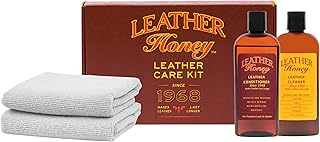
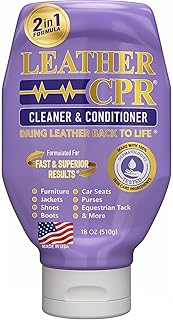
If you prefer separate steps, Leather Honey Complete Leather Care Kit includes cleaner, conditioner and cloths. Its standalone Leather Honey Leather Conditioner is better suited to owners who already have a gentle cleaner and want to focus on protecting and softening dry leather. For a ready-made collection of accessories, the Leather Cleaner and Conditioner Kit provides a four-piece setup, while Leather CPR Cleaner and Conditioner is a straightforward all-in-one choice for furniture and other leather goods.
1. Check the Leather Before You Clean
Look for the sofa’s care label, manufacturer instructions or original product listing first. Most household leather sofas are finished or “protected” leather, which can tolerate a carefully applied leather cleaner. Aniline, semi-aniline, nubuck and suede are more absorbent and need specialist products; a standard leather-cleaning cream may darken or mark them.
Also inspect for peeling, flaking or a cracked topcoat. Cleaning cannot repair failing upholstery, and rubbing a damaged finish may make the problem more visible. Remove cushions where possible and check the underside or an inconspicuous area for a material label.
2. Vacuum and Test the Product
Begin with a vacuum fitted with a soft brush attachment. Work along seams, piping, cushion gaps and underneath removable cushions, where grit can act like fine sandpaper. Do not drag a hard plastic nozzle across the leather.
Test your chosen cleaner on a hidden area, such as the rear edge beneath a cushion. Apply a small amount to a white cloth—not directly onto the sofa—and wipe gently. Wait until the area is fully dry. Stop if you see dye transfer, clouding, stickiness, unusual darkening or a change in texture. A successful test is essential even when a product is described as suitable for furniture.
3. Clean Small Sections, Not the Whole Sofa at Once
Read the product directions, then use less liquid than you think you need. Lightly dampen a soft, lint-free cloth and work on one cushion or panel at a time. Use overlapping strokes with gentle pressure, paying extra attention to armrests, headrests and seat fronts where skin oils accumulate.
Turn the cloth frequently so you are lifting grime rather than spreading it. For textured leather, a soft brush can help around stitching, but avoid aggressive scrubbing. Never soak the upholstery, pour cleaner onto it or allow liquid to pool in seams. Wipe away residue with a separate barely damp cloth if the instructions call for it, then buff lightly with a dry cloth.
4. Condition Only After the Surface Is Clean
Conditioner helps finished leather remain flexible and can improve the appearance of mild dryness, but more is not better. Apply a thin, even layer with a clean cloth, working in small sections. Leave it for the time specified by the manufacturer, then buff away excess. A sofa that feels oily after conditioning has received too much product.
Products such as Leather Honey Leather Conditioner are designed as a dedicated conditioning step, while combination products such as Weiman Leather Cleaner & Conditioner and Leather CPR Cleaner and Conditioner simplify occasional maintenance. Avoid mixing several conditioners in one session. Give the leather time to absorb and settle before judging the final finish.
5. Dry Naturally and Maintain the Finish
Keep the sofa away from radiators, heaters and strong direct sunlight while it dries. Forced heat can draw moisture from leather and encourage stiffness or cracking. Once dry, replace cushions and rotate or reverse them if the design allows, so wear is distributed more evenly.
Tips
- Clean spills promptly by blotting with a dry, absorbent cloth. Rubbing can spread the mark and push liquid deeper into the grain.
- Use white or colourfast cloths. Dark towels may transfer dye, especially when damp.
- Schedule a light clean every few months, adjusting for pets, children and heavy daily use; condition less frequently unless the leather feels dry.
- Keep leather away from prolonged sunlight where possible. UV exposure can fade colour and accelerate drying, even when a product includes UV-protection claims.
Frequently Asked Questions
Can I use household soap or washing-up liquid on a leather sofa?
It is best not to. Household soaps can be too alkaline, strip protective finishes or leave residue. Use a product intended for the specific type of leather, and test it first in a concealed area.
How often should a leather sofa be cleaned?
Vacuuming and dry dusting can be done regularly, while a proper cleaner is usually needed every few months or after visible soiling. High-use sofas may need more frequent attention, but over-cleaning and repeated conditioning can build up residue.
Why did my leather become darker after cleaning?
Temporary darkening can occur if the leather is damp or has absorbed conditioner. Allow it to dry naturally before assessing it. If the colour remains uneven, the material may be absorbent, previously damaged or reacting to the product; stop using it and seek advice from the sofa maker or an upholstery professional.
Can leather cleaner remove ink, grease or red wine?
It may reduce a fresh, superficial mark, but difficult stains are not guaranteed to disappear. Blot rather than scrub, avoid improvised solvents and do not keep escalating the treatment. A specialist leather technician is the safest option for valuable upholstery or set-in stains.
Conclusion
The best way to clean a leather sofa is a patient, low-moisture routine: identify the leather, vacuum first, patch-test a suitable product, clean gently in sections and condition sparingly. With sensible maintenance and protection from heat and harsh sunlight, your sofa should stay comfortable, supple and presentable without an oily or overworked finish.