Our Top Picks
 BLACK+DECKER Portable Air Conditioner10,000 BTU (Without Heat)15.3 x 14 x 24.8 Inches47.3 PoundsCheck on Amazon
 BLACK+DECKER Smart Portable Air Conditioner14,000 BTU (Without Heat)17.1 x 28.1 x 13.8 inches68.3 PoundsCheck on Amazon
 XAMATTS 1700ml Portable Air Conditioner Fan with Remote16.9 x 14.95 x 34.04 cm4.3 poundsCheck on Amazon
For a small room, the best air conditioner is usually a 5,000 BTU window unit if you can open a window sash, or a portable unit rated in the 7,000 to 8,000 BTU range if you cannot. That is general sizing guidance, not a claim about any one model. Of the ten listings here, seven are true air conditioners (two window units and five portables) and three are tiny evaporative “air conditioner” fans that do not cool the way a refrigerant unit does. We say so plainly, and we sort the picks by room size, noise tolerance and how much installation you are willing to do.
Top picks at a glance
BLACK+DECKER Portable Air Conditioner, 10,000 BTU, BPACT10WT, White | 5,500 BTU SACC for Rooms up to 450 Sq. Ft., 3-in-1 Portable AC, Fan and Dehum with Follow Me Remote Control
One of the home product options compared in this guide.
View on Amazon
BLACK+DECKER Portable Air Conditioner, 9,000 BTU, BPACT08WT, White | 5,300 BTU SACC for Rooms up to 400 Sq. Ft., 3-in-1 Portable AC, Fan and Dehum with Follow Me Remote Control
One of the home product options compared in this guide.
View on Amazon
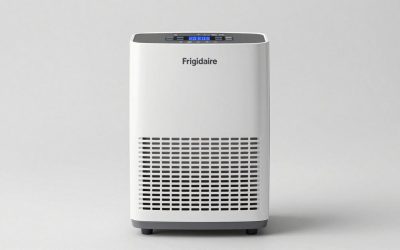
Frigidaire 5,000 BTU Window-Mounted Air Conditioner, Cools Up to 150 Sq. Ft., Quiet Operation, Effortless Temperature Control, 2 Fan Speeds, Auto Restart, White
One of the home product options compared in this guide.
View on AmazonBLACK+DECKER Smart Portable Air Conditioner, 14,000 BTU, BPACT14WT, White | 10,200 BTU SACC for Rooms up to 700 Sq. Ft., Smart 3-in-1 Portable AC, Fan and Dehum with Follow Me Remote
One of the home product options compared in this guide.
View on AmazonXAMATTS 1700ml Portable Air Conditioner Fan with Remote Control | Evaporative cooling fan with 120° oscillation, 3 speeds, and 1-7H timer for bedroom, room, office, or desk use
One of the home product options compared in this guide.
View on Amazon
Portable Air Conditioners, 4 in 1 1200ML Personal Air Conditioner, Evaporative Air Cooler Fan with Remote, 7 RGB Light Modes, 3 Speeds & 2-8H Timer for Bedroom,Car,Nightstand, Office, Dorm, RV(white)
One of the home product options compared in this guide.
View on Amazon
Portable Air Conditioner Fan, 4-in-1 Mini Air Cooler with 450ML Water Tank, 3 Speeds Portable Fan 7 Colors LED Ambient Light, Mini Evaporative Cooler Desktop Humidifier Fan for Bedroom Office Travel
One of the home product options compared in this guide.
View on Amazon
GE Window Air Conditioner 5,000 BTU AC Unit for Small Spaces up to 150 sq ft with Manual Controls & 2 Cooling Modes, Easy Install Kit, White
One of the home product options compared in this guide.
View on Amazon
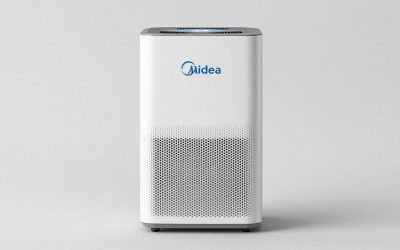
Midea 10,000 BTU ASHRAE Portable Air Conditioner, Cools up to 300 Sq. Ft. | 7,100 BTU SACC Portable AC, Smart APP & Remote Control, with Dehumidifier & Fan mode, Window Kit, Easy-to-use and Install
One of the home product options compared in this guide.
View on Amazon
Shinco 8,000 BTU Portable Air Conditioner - 3-in-1 Cool/Dehumidifier/Fan for Rooms Up to 350 sq.ft, Remote Control & 24H Timer, Compact AC Unit for Bedroom/Office
One of the home product options compared in this guide.
View on Amazon| Model | Key point from the title | Price tier | Best for |
|---|---|---|---|
| Frigidaire 5,000 BTU window | Cools up to 150 sq ft, 2 fan speeds, auto restart | Budget | Bedrooms and offices with a window |
| GE 5,000 BTU window | Up to 150 sq ft, manual controls, 2 cooling modes, install kit | Budget | Simple, no-app cooling |
| Shinco 8,000 BTU portable | 3-in-1, up to 350 sq ft, remote, 24H timer | Mid-range | Rooms where a window unit will not fit |
| Midea 10,000 BTU ASHRAE portable | 7,100 BTU SACC, app and remote, window kit | Mid-range | Larger “small” rooms, smart control |
| BLACK+DECKER 9,000 BTU portable | 5,300 BTU SACC, up to 400 sq ft, Follow Me remote | Mid-range | Mid-size bedrooms |
| BLACK+DECKER 10,000 BTU portable | 5,500 BTU SACC, up to 450 sq ft | Mid-range | Warm rooms that need more headroom |
| BLACK+DECKER 14,000 BTU smart portable | 10,200 BTU SACC, up to 700 sq ft | Premium | Oversized for a small room |
| XAMATTS 1700ml evaporative fan | Remote, oscillation, 3 speeds, timer | Budget | Desk or nightstand airflow |
| MLLFW 1200ml personal cooler | RGB lights, 3 speeds, 2-8H timer | Budget | Personal airflow, not room cooling |
| HOXILEELEO 450ml mini cooler | 450ml tank, 3 speeds, LED light | Budget | Desktop novelty cooling |
What is changing in this category
Small-room cooling has more choices than it used to. Window units remain the simplest and usually the most efficient way to cool a single room, but apartment rules, casement windows and building policies push many renters toward portable units with a hose and window kit. Portable units are generally louder and less efficient than window units of similar capacity, so they earn their place by fitting where windows cannot.
Capacity labels have also become more confusing. Many portable listings now quote two BTU numbers: a larger one measured to an older industry standard and a lower “SACC” figure that reflects real cooling in a typical test setup. Several listings in this set show both. If you compare a 10,000 BTU portable with a 5,000 BTU window unit using only the headline numbers, you will mislead yourself.
Smart features are spreading as well. Phone apps, remote controls and “follow me” remotes appear even on mid-priced units. They add convenience, but they do not change the cooling output.
The third trend is the flood of small evaporative coolers sold with “air conditioner” in the name. They use a water tank and a fan, they add moisture to the air and they do not remove heat the way a refrigerant system does. They can feel pleasant in a dry climate at close range, and they are a poor substitute for an air conditioner in a humid room. Treat any maker’s room-size claims as seller claims.
How we picked these
We compared the ten listings using their published titles, manufacturer documentation where available and buyer reviews as a source of recurring themes. We grouped them by type (window, portable, evaporative fan), then ordered each group by how well the stated capacity matches a small room. Nobody on the team used or measured these units. Anything not stated in a title is marked “check the listing”, and price tiers are relative within this set.
The picks, one by one
Frigidaire 5,000 BTU window unit: the simple small-room baseline
The title says window-mounted, 5,000 BTU, cools up to 150 square feet, quiet operation, effortless temperature control, 2 fan speeds and auto restart. Auto restart matters after a power cut because the unit returns to its previous setting instead of staying off. The 150 sq ft figure is a seller claim; it fits a small bedroom, a home office or a compact studio sleeping area.
A typical use case is a 10-by-12 bedroom with a standard double-hung window. You mount the unit, seal the side panels and let it run on a low fan at night. Titles for units this size rarely mention noise in decibels, so “quiet” is a marketing word until you see the manual.
- Pros: lowest-cost true air conditioner in this set.
- Pros: window mounting avoids the hose and extra heat of a portable.
- Cons: needs a suitable window and secure installation.
- Cons: limited to small spaces and no remote is named.
Check the listing for window width range, weight, electrical requirements and whether a mounting kit is included. Question to ask: does my window type and building policy allow a window unit? If you rent, ask the landlord before leaving a unit in place through winter, since removal and storage rules vary.
GE 5,000 BTU window unit: manual and uncomplicated
The title lists 5,000 BTU, small spaces up to 150 sq ft, manual controls, 2 cooling modes and an easy install kit. It is the same class as the Frigidaire, and the difference is mostly in what is named: the GE highlights manual controls and an install kit, while the Frigidaire highlights fan speeds, quiet operation and auto restart.
It suits someone who wants dials rather than apps and who plans to install it once for the season. In a rental, the install kit is worth reading about, because some buildings require specific brackets. Cooling modes are not described, so confirm what the two modes do.
- Pros: same small-room capacity class as the Frigidaire.
- Pros: straightforward controls and a named install kit.
- Cons: no remote or app is named.
- Cons: the title does not describe noise or auto restart.
Check the listing for dimensions, power cord length and how it handles condensate. Question to ask: how much weight can my window frame and sill safely support, per the manufacturer’s instructions? Also ask whether you will want to take the unit out in autumn, because a heavy unit is easier to lift with a second person.
Shinco 8,000 BTU portable: a mid-size portable for tight rooms
The title calls it a 3-in-1 cool, dehumidify and fan unit for rooms up to 350 sq ft, with remote control and a 24-hour timer, for bedroom or office. The BTU figure is not labeled as ASHRAE or SACC, so the real cooling output is unclear; the 350 sq ft claim is generous for an 8,000 BTU figure and should be read as a ceiling, not a target.
It suits a small room where a window unit will not fit, such as a sliding or casement window, and where a hose can run to a vent kit. In a 150 to 200 sq ft room it should have headroom, which can make it less strained on warm afternoons.
- Pros: timer and remote named in the title.
- Pros: dehumidifier and fan modes add use through the year.
- Cons: BTU basis (ASHRAE or SACC) is not stated.
- Cons: portable units are usually louder than window models.
Check the listing for noise level, hose length, window kit contents and condensate handling. Question to ask: do I have a window where the hose can exit without leaving gaps? Gaps let hot air flow back in, which quietly reduces the cooling you paid for.
Midea 10,000 BTU ASHRAE portable: smart control, clearer capacity
The title says 10,000 BTU ASHRAE, 7,100 BTU SACC, cools up to 300 sq ft, smart app and remote control, dehumidifier and fan modes, window kit and easy to install. Giving both numbers is helpful: the lower SACC figure is the one to compare when you want to understand real cooling output.
It is the more capable portable in the mid-range, suited to a larger bedroom, a loft room or a room with sun exposure. The app allows scheduling from the couch or phone, a convenience in a bedroom. A 7,100 BTU SACC figure sits above what most small rooms need, which can be useful on hot days but costs more electricity than a smaller unit.
- Pros: both ASHRAE and SACC numbers are stated.
- Pros: app and remote control, plus a window kit.
- Cons: probably more capacity than a very small room needs.
- Cons: portable units take floor space and are noisier than window units.
Check the listing for noise, hose diameter, energy rating and app privacy terms. Question to ask: will the app matter enough to justify the price tier over the Shinco? If you rarely use schedules or remote start, the extra features may sit unused.
BLACK+DECKER 9,000 BTU portable: mid-size with a Follow Me remote
The title states 9,000 BTU, 5,300 BTU SACC, rooms up to 400 sq ft, 3-in-1 portable AC, fan and dehumidifier, and a Follow Me remote control. The “Follow Me” idea is that the remote senses temperature near you, so the unit regulates to where you sit rather than where the unit stands.
It suits a medium bedroom where the unit sits near a window and you want comfort at the bed. Notice the mismatch between the 5,300 SACC figure and the 400 sq ft claim: the room size looks derived from the larger BTU number, so for a small room do not expect it to cool 400 sq ft in hot weather. The mid-range price tier makes it a sensible compromise.
- Pros: SACC figure stated, plus a Follow Me remote.
- Pros: dehumidifier and fan modes.
- Cons: room-size claim is optimistic against the SACC figure.
- Cons: portable units can be noisy; noise is not stated.
Check the listing for noise, hose length and window kit. Question to ask: does the remote need line of sight to cool where I sit? Also check whether the unit has to be placed near a window and an outlet at the same time, which affects where the bed or desk can go.
BLACK+DECKER 10,000 BTU portable: more headroom, same family
The title mirrors the 9,000 BTU model: 10,000 BTU, 5,500 BTU SACC, rooms up to 450 sq ft, 3-in-1 and Follow Me remote. The SACC increase over the 9,000 model is small, and the title gives no reason to expect a large jump in real cooling.
It suits rooms that run warm, such as west-facing bedrooms. Because the two BLACK+DECKER portable listings are so close, compare the manufacturer pages and buy on price and availability rather than assuming a big capability difference. For a small room, either model should have capacity to spare.
- Pros: slightly higher SACC figure than its sibling.
- Pros: same remote features.
- Cons: near-duplicate of the 9,000 BTU model.
- Cons: 450 sq ft claim does not match a 5,500 SACC rating.
Check the listing for power draw and weight. Question to ask: is the small difference in SACC worth a higher price tier? If the gap is small, the cheaper one is likely the more sensible buy for a small room.
BLACK+DECKER 14,000 BTU smart portable: oversized for a small room
The title lists 14,000 BTU, 10,200 BTU SACC, rooms up to 700 sq ft, smart 3-in-1 portable AC, fan and dehumidifier, and Follow Me remote. It is the strongest cooler in the set and the most expensive, and it is the wrong class for a small room.
An oversized portable unit cools a small space quickly and then cycles on and off, which can leave the air cool but clammy, because dehumidification needs run time. It makes sense only if your “small” room is part of an open plan or if you want one unit for two rooms. For one bedroom, the Midea, Shinco or window units are better matched.
- Pros: highest stated output, smart features.
- Pros: suited to large or open spaces.
- Cons: oversized and likely louder and more power-hungry.
- Cons: highest price tier in the set.
Check the listing for noise, electrical requirements and dimensions. Question to ask: am I cooling a single small room, or a larger space in disguise? If the answer is a single bedroom, a smaller unit will probably serve you better and run more quietly.
XAMATTS 1700ml evaporative fan: a cooler, not an air conditioner
The title says “portable air conditioner fan”, with a 1700ml tank, remote control, 120-degree oscillation, 3 speeds and a 1-7 hour timer, for bedroom, office or desk. This is an evaporative cooler: water in the tank cools the airflow slightly as it evaporates. It does not use refrigerant and will not drop room temperature the way a window or portable unit does.
It can feel nice in a dry climate for personal airflow, but in a humid room it adds moisture. Buyer reviews of this class commonly note modest cooling and frequent refilling, so treat expectations accordingly. The tank needs regular cleaning to avoid odors.
- Pros: low price tier, remote control and oscillation.
- Pros: no window or hose required.
- Cons: not an air conditioner; limited cooling effect.
- Cons: needs water refills and tank cleaning.
Check the listing for noise and tank run time. Question to ask: do I want airflow for a desk, or real room cooling? If it is real cooling, one of the true air conditioners above is the better direction.
MLLFW 1200ml personal cooler: a nightstand fan with lights
The title calls it a 4-in-1 personal air conditioner and evaporative air cooler fan with remote, 7 RGB light modes, 3 speeds and a 2-8 hour timer, for bedroom, car, nightstand, office, dorm and RV. Again, “air conditioner” here means a small water-and-fan device, not a refrigerant unit.
It suits close-range comfort, such as a bedside table in a dry climate. The RGB light is decorative, and a light that stays on at night can be a drawback for some sleepers. The mention of cars and RVs suggests low-power use, but check the listing for the power source before using it in a vehicle.
- Pros: very low price tier, compact, timer.
- Pros: light modes and remote for bedside use.
- Cons: not a room-cooling device.
- Cons: small tank, regular refilling.
Check the listing for power source and noise. Question to ask: am I buying this for airflow or expecting a cold room? Only the first is realistic for this kind of device.
HOXILEELEO 450ml mini cooler: a desktop novelty
The title says a 4-in-1 mini air cooler with a 450ml water tank, 3 speeds, 7-color LED ambient light and a mini evaporative cooler desktop humidifier fan, for bedroom, office or travel. Its own title uses “humidifier”, which tells you it adds moisture; it should not be bought to cool a room.
It fits on a desk for a personal breeze and some mist, and little more. With the smallest tank in the set, expect frequent refills. It is the weakest answer to “small room air conditioner” here, and it is included only because the listing uses the term.
- Pros: lowest price tier, easy to carry.
- Pros: works anywhere with power.
- Cons: not an air conditioner.
- Cons: tiny tank and little cooling effect.
Check the listing for power source and runtime. Question to ask: would a plain fan do the same job for less? In a humid room, a plain fan is often the simpler way to move air without adding moisture.
Buying guide
Choose the type first
Window units are quieter and more efficient for the same capacity because the hot side sits outside. Portable units trade efficiency for flexibility, and a single-hose design pulls room air out, which draws warm air in from elsewhere. Evaporative coolers are a different category, and they work best in dry air.
Match capacity to room size
Commonly cited sizing charts suggest about 5,000 BTU for roughly 100 to 150 sq ft and about 6,000 BTU for 150 to 250 sq ft, with adjustments for sun, ceiling height and occupants. These are rules of thumb, not guarantees. For portables, favor the SACC figure when you can find it, since the headline BTU number is usually higher.
Energy use and running cost
Cooling is one of the larger line items on a summer power bill, so efficiency matters even in a small room. Window units are generally more efficient than portables of the same stated capacity. Look for an energy efficiency ratio in the listing or manual, and remember that a unit that is too big runs in short bursts, which wastes energy. Setting the thermostat a few degrees higher, closing curtains on sunny windows and using the timer instead of running all night can trim use without hurting comfort.
Dehumidifier and fan modes
Many portable listings advertise 3-in-1 operation: cool, dehumidify and fan. The dehumidify mode is useful in damp shoulder seasons, but it is not a replacement for a dedicated dehumidifier in a very damp basement. Drain handling differs by model, so read how the unit disposes of collected water before relying on that mode.
Placement and airflow
Keep at least the manufacturer’s recommended clearance around the unit, keep curtains and furniture from covering intakes, and keep the exhaust hose short and as straight as the manual allows. Hose bends and long runs reduce performance and raise noise.
Noise, controls and power
Noise matters most in bedrooms and is rarely stated in titles. Look for a decibel rating in the manual. Remote controls and timers are convenient for sleeping. Electrical safety matters: follow the manufacturer’s instructions and local codes, avoid extension cords unless the manual permits them, and have wiring problems handled by a qualified electrician.
Installation, condensate and safety
Window units are heavy; secure them per the manufacturer’s instructions and ask for help lifting. Portable units need a vent hose out of a window, sealed with the kit. Some collect condensate that must be drained. Keep the unit upright, keep clearance around it and never block vents.
Worked example with stated assumptions
Assume a 12-by-14-foot bedroom, which is 168 sq ft, with normal ceilings, afternoon sun and two people. A commonly cited chart suggests about 6,000 BTU for 150 to 250 sq ft, and sunny rooms are often adjusted upward by about 10 percent, which is roughly 6,600 BTU. Two units in this set land near that: a 5,000 BTU window unit would be slightly under for this room, while a portable with about 7,100 BTU SACC would have comfortable headroom. These are estimates, not measurements.
| Spec concept | What to look for | Why it matters |
|---|---|---|
| BTU basis | SACC figure for portables, plain BTU for window units | Headline numbers overstate real cooling |
| Room size | Square feet in the title versus your room | Over- and under-sizing both cause problems |
| Window fit | Window width and type | Decides window versus portable |
| Noise | Decibels in the manual | Matters for bedrooms |
| Controls | Remote, timer, app | Convenience, not capacity |
| Drainage | Condensate handling | Affects maintenance |
Mistakes buyers make
The most common mistake is trusting the room-size line in a title. Several portable listings here quote room sizes that look inflated next to their SACC figures. The second is buying an oversized portable for a small room, which leads to short cycling and a clammy feel.
Third, buyers confuse evaporative coolers with air conditioners. If the product has no exhaust hose or window mount, it is probably not removing heat from the room. Fourth, they forget to check the window: casement and sliding windows often need a portable unit. Fifth, they skip the electrical basics, such as the outlet rating and cord length. Follow the manufacturer’s instructions and local codes.
Finally, many people overlook ongoing upkeep: cleaning filters, emptying condensate and cleaning water tanks. A neglected unit works harder and smells worse. If your building has rules about window units, check them before ordering.
Verdict by use case
For one small bedroom with a standard window, the Frigidaire or GE 5,000 BTU window unit is the best-matched class. If you can only use a portable, the Shinco is the closest fit, the Midea adds clearer capacity numbers and an app, and the two smaller BLACK+DECKER portables suit warmer rooms. Skip the 14,000 BTU model unless your space is larger than it sounds. Treat the three evaporative fans as personal desk or bedside coolers. If the room is a dorm with housing rules, see our guide to dorm air conditioners.
Related guides
- Indoor Electric Heaters For Large Rooms
- Electric Tankless Water Heaters
- Reverse Osmosis Water Filters
Frequently asked questions
What size air conditioner do I need for a small room?
Commonly cited charts suggest about 5,000 BTU for roughly 100 to 150 square feet and about 6,000 BTU for 150 to 250 square feet, with upward adjustments for strong sun, high ceilings or extra occupants. These are rules of thumb. For portable units, the SACC figure is a better comparison than the headline BTU, so check which number the listing uses. Rooms with large windows, kitchens or top-floor ceilings may need more capacity than the chart suggests.
Is a window or portable air conditioner better for a small room?
A window unit is usually quieter and more efficient at the same capacity because the heat is released outside. A portable unit makes sense when your window type, building rules or layout do not allow a window unit. Portable units need a vent hose and window kit, and they take floor space, so consider both before choosing. Measure the window opening, check how the unit is supported, and read any building rules about hanging equipment outside.
What does SACC mean on a portable air conditioner?
SACC stands for seasonally adjusted cooling capacity, a figure that reflects cooling output under a standardized test that includes the effect of the exhaust hose. It is typically lower than the older headline BTU rating on portable units. Listings that show both numbers, like several here, let you compare real output instead of marketing figures. If a listing shows only one number, check the manufacturer page to see which basis it uses.
Do evaporative coolers work like air conditioners?
No. Evaporative coolers use a water tank and a fan, and they cool air slightly as water evaporates. They do not use refrigerant, they add moisture to the room, and they work best in dry climates at close range. In humid conditions they offer little relief, so do not buy one expecting an air-conditioner result. They can still be pleasant for personal airflow at a desk or nightstand when the air is dry.
Can I plug an air conditioner into any outlet?
Not necessarily. Air conditioners can draw significant current, and manuals often recommend a dedicated outlet and warn against extension cords or power strips. Follow the manufacturer’s instructions and local codes, and ask a qualified electrician if you are unsure about your wiring or breaker capacity. Do not modify the plug or cord, and stop using the unit and have it checked if the plug or outlet feels hot.
How often should I clean a small air conditioner?
Many manufacturers suggest checking and cleaning the air filter every couple of weeks during heavy use, and emptying or cleaning any water tank regularly. Dirty filters reduce airflow and cooling. Always unplug the unit before cleaning and follow the instructions in the manual, since the correct routine varies by model. A clean unit usually cools better and runs quieter, so a simple reminder is worth setting.