Our Top Picks
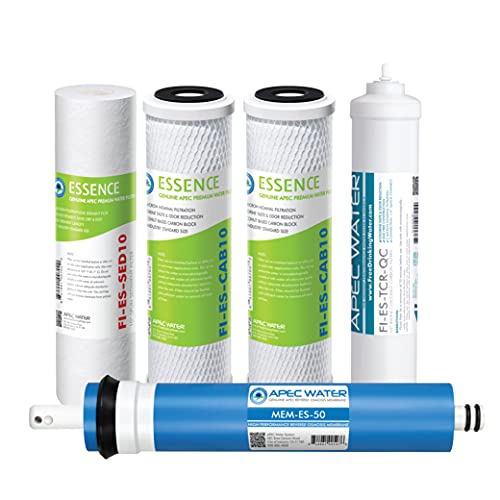 APEC Essence Series 50 GPD Complete Replacement Filter1 Year Set12 x 10 x 6 Inches3.4 PoundsCheck on Amazon
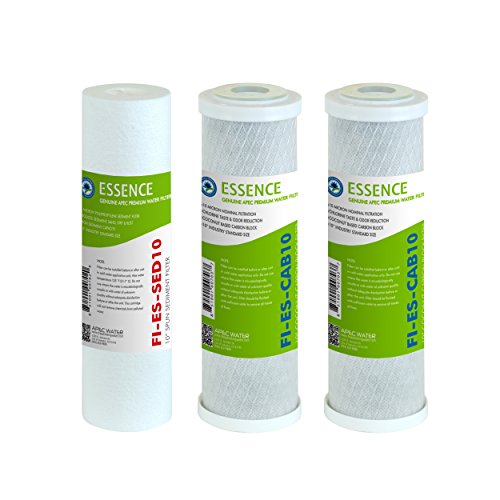 APEC Water FILTER-SET-ES Replacement Reverse Osmosis Pre-Filter Set6 Month Set2.5 x 7.5 x 10 inches2 poundsCheck on Amazon
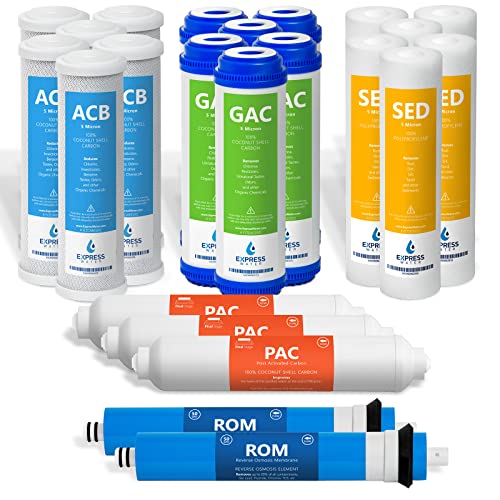 Express Water FLTSETC6G6S6I3M502 Reverse Osmosis Replacement Filter Set23 Count (Pack of 1)2.5 x 2.5 x 10 Inches19.11 PoundsCheck on Amazon
 iSpring F7-GAC NSF Certified 1-Year Replacement Filter Cartridge7 Count (Pack of 1)15 x 8 x 18 Inches1 PoundsCheck on Amazon
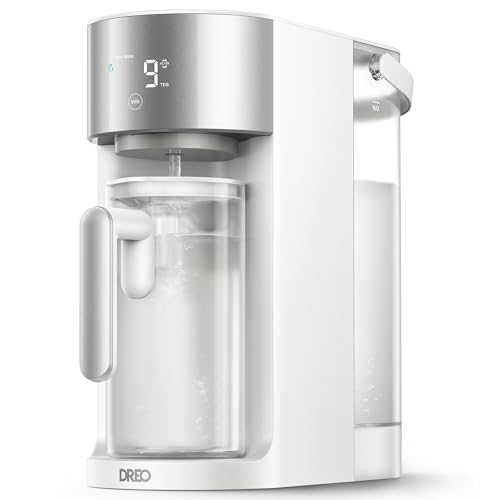 DREO Reverse Osmosis Water Filter System Countertop3L14.51 x 6.73 x 13.35 inches9.46 PoundsCheck on Amazon
The best reverse osmosis water filter depends on whether you need a whole system or just fresh cartridges, and this set is a mix of both. Three listings are complete systems: the iSpring 6-stage alkaline under-sink unit and two DREO countertop models. Six are replacement filters or membranes for existing systems. That matters, because a replacement set only works if it matches the system you already own. Everything below comes from what each Amazon title states; where the title is silent, the entry says “check the listing”.
Top picks at a glance
APEC Essence Series 50 GPD Complete Replacement Filter for Undersink System(FILTER-MAX-ES50)
One of the home product options compared in this guide.
View on AmazonAPEC Water FILTER-SET-ES Replacement Reverse Osmosis Pre-Filter Set | Stages 1-3, for APEC Essence Series, 6 Month Set, Removes Dust, Particles, and Rust, Reduces Chlorine, Taste, and Odor
One of the home product options compared in this guide.
View on AmazonExpress Water FLTSETC6G6S6I3M502 Reverse Osmosis Replacement Filter Set | 3 Year Set, 50 GPD RO Membrane, 10 Inches, Includes 23 Water Filters, Carbon GAC, ACB, PAC, and SED Filtration
One of the home product options compared in this guide.
View on Amazon
iSpring RCC7AK-BN NSF Certified, 75 GPD, Alkaline 6-Stage Reverse Osmosis System, pH+ Remineralization RO Water Filter System Under Sink Patented Top-Mounted Faucet Design for Easy Installation
One of the home product options compared in this guide.
View on AmazoniSpring F7-GAC NSF Certified 1-Year Replacement Filter Cartridge Pack, 7-Count for Standard 5-Stage Reverse Osmosis (RO) Systems
One of the home product options compared in this guide.
View on AmazonDREO Reverse Osmosis Water Filter System Countertop, RO Water Filter 112 3L | RO Water Filtration filters 99.9% contaminants, Installation-Free Water Purifier with TDS & Filter Life Monitor, BPA-free
One of the home product options compared in this guide.
View on Amazon
Geekpure 5 Stage Reverse Osmosis Filter Set with 75 GPD NSF Membrane | RO Replacement Filter Cartridges -2.5 x 10 Inch
One of the home product options compared in this guide.
View on Amazon
DREO Reverse Osmosis Water Filter Countertop, RO Filtration System, 3:1 Pure to Drain, TDS & Filter Life & 2 Autofill Pitchers, Install-Free, Self-Cleaning Water Purifier, RO Water Filter
One of the home product options compared in this guide.
View on Amazon
iSpring F19K75 NSF Certified 2-Year Replacement Filter Set for 6-Stage Reverse Osmosis Systems, Alkaline Mineral Filter, 19-Count, Long-Lasting Purification
One of the home product options compared in this guide.
View on Amazon| Model | Key point from title | Price tier | Best for |
|---|---|---|---|
| iSpring RCC7AK-BN | 75 GPD, 6-stage, alkaline, under sink | Premium | Full under-sink system |
| DREO RO Countertop (112 3L) | Install-free, TDS and filter monitor | Mid-range | Renters, small kitchens |
| DREO RO Countertop (3:1) | 3:1 pure to drain, 2 autofill pitchers | Premium | Low-waste countertop use |
| APEC Essence FILTER-MAX-ES50 | Complete replacement for 50 GPD system | Mid-range | Essence owners |
| APEC FILTER-SET-ES | Stages 1-3 pre-filters, 6-month set | Budget | Routine pre-filter swaps |
| Express Water 3-year set | 50 GPD membrane, 10-inch filters | Mid-range | Multi-year stocking up |
| iSpring F7-GAC | 1-year pack, 7 filters, 5-stage | Budget | Standard 5-stage systems |
| Geekpure 5-stage set | 75 GPD membrane, 2.5 x 10 inch | Budget | Generic 10-inch housings |
| iSpring F19K75 | 2-year, 19 filters, alkaline stage | Mid-range | 6-stage alkaline owners |
What is changing with home reverse osmosis
The biggest shift in home reverse osmosis is the rise of countertop units that skip the plumbing work. Traditional under-sink systems need a drain connection, a faucet hole and a tank. Install-free countertop models fill from a reservoir or a simple inlet, and that convenience has made RO appealing to renters and people who do not want to cut into a sink.
A second trend is built-in monitoring. Listings now mention TDS readouts and filter-life indicators. TDS is a rough count of dissolved solids, not a safety rating, so treat the number as a trend marker, not as proof that water is safe. A reading that suddenly rises can hint that a membrane needs attention.
Water waste is also under the spotlight. Older under-sink designs are often described as sending several gallons to the drain for each gallon of purified water, and newer designs advertise better ratios, such as the 3:1 pure-to-drain figure in one DREO title. Ratios depend on water pressure, temperature and the membrane’s condition, so treat marketing numbers as best-case.
Finally, mineral-adding stages are common. Remineralization and alkaline cartridges are marketed for taste. Whether that matters is a personal preference; follow the manufacturer’s instructions and do not read health claims into a cartridge description.
How we picked these
This roundup draws on published specifications in the Amazon titles, manufacturer documentation and patterns in buyer reviews. Nobody on the team used or measured these units. Because six of the nine listings are replacement parts, we grouped the picks by job: complete systems first, then filter sets and membranes. Certification wording such as “NSF Certified” is a seller claim until you confirm the exact model on the certifier’s public database. Price tiers are relative within this mixed set.
The listings, one by one
iSpring RCC7AK-BN 6-stage alkaline RO system
The title describes a 75 GPD, six-stage reverse osmosis system for under the sink, with pH+ remineralization, a top-mounted faucet design and an “NSF Certified” label. It is the only full under-sink system in the set, and the title says the faucet design is intended for easier installation.
It suits a household that wants a dedicated drinking-water tap and is comfortable with a drain connection, a storage tank and cabinet space. The extra alkaline stage adds one more cartridge to replace over time.
- Pros: complete system, six stages, dedicated faucet, replacement packs from the same brand appear elsewhere in this list.
- Pros: GPD rating stated.
- Cons: needs under-sink space and plumbing work; more cartridges to maintain.
Check the listing for which parts are certified, tank size, drain saddle details and warranty. Question to ask: do you want an alkaline stage, or is plain RO water enough?
Plan the footprint before you buy. An under-sink system with a storage tank takes cabinet space that many kitchens already use for cleaning supplies and a trash bin. Measure the cabinet depth and the clearance below the sink, and think about how you will reach the cartridges when it is time to change them. The six-stage layout also means more parts to track over time, so a written schedule helps. Note that the six-stage alkaline replacement pack in this list is a different product from the five-stage pack, and mixing them up is an easy mistake.
Follow the manufacturer’s instructions and local plumbing codes, and hire a qualified plumber if you are not confident cutting a sink or connecting a drain.
DREO Reverse Osmosis Countertop (112 3L)
The title mentions a countertop RO unit that “filters 99.9% contaminants”, installation-free setup, a TDS and filter-life monitor and BPA-free construction. The 99.9% figure is a seller claim without a stated contaminant list, so look for the test standard in the manual or listing images.
It fits renters, dorm rooms and anyone who cannot modify a sink. You fill a reservoir and the unit does the rest, which makes it simple but limits flow rate and capacity compared with an under-sink system plus tank.
- Pros: no plumbing, built-in monitor, compact footprint.
- Pros: easy to relocate.
- Cons: takes counter space; reservoir needs refilling; capacity is finite.
Check the listing for reservoir volume, filters inside, noise, and replacement filter availability. Question to ask: how many litres of purified water does it produce per hour?
Counter-top units trade capacity for convenience. If your household fills several bottles a day, check how large the reservoir is and how long a refill cycle takes, since the title does not say. Buyer comments are a better guide to noise and speed than the headline claim. It also helps to confirm that replacement filters are sold separately and priced reasonably, because a unit that is cheap to buy can become costly to maintain.
DREO Reverse Osmosis Countertop with 3:1 ratio
This title promises a 3:1 pure-to-drain ratio, a TDS and filter-life display, two autofill pitchers, install-free setup and a self-cleaning function. A ratio claim of three parts pure to one part drain would be a notable improvement over older designs, but it is a seller number, not a measured result.
It suits a household that drinks a lot of filtered water and dislikes refilling manually, since the autofill pitchers reduce hassle. Think about where the drain water goes; a countertop unit still produces wastewater that you must empty or direct.
- Pros: autofill pitchers, claimed lower waste, self-cleaning mode.
- Pros: monitor included.
- Cons: premium tier; needs outlet and counter space; wastewater handling.
Check the listing for the drain method, power use, and cleaning instructions. Question to ask: is the 3:1 ratio tied to specific water conditions?
The two autofill pitchers suggest the designers expect frequent use, which is a plus for families. The self-cleaning wording is also worth reading about in the manual, because it may require scheduled actions from you. As with any appliance that holds water, keep the reservoir and pitchers clean as the manufacturer describes. This model is the better fit than the smaller DREO if you want a more automatic routine and can accept the higher tier.
APEC Essence Series FILTER-MAX-ES50
This is a complete replacement filter kit for a 50 GPD under-sink APEC Essence system, according to the title. It is not a system and is useless without the matching APEC housing, so confirm your model before you order.
It suits an owner who wants to refresh every stage at once instead of mixing parts. Doing a complete swap on a schedule is simpler than tracking individual cartridges, and it is a clean reset if the system has been neglected.
- Pros: all stages in one box, matched to the Essence series.
- Pros: reduces the risk of mixing incompatible parts.
- Cons: only useful with the correct APEC system; cost is higher than pre-filters alone.
Check the listing for the list of included parts, sanitizing instructions and whether the membrane is part of the kit. Question to ask: which exact system model numbers does it fit?
One practical point is timing. A complete kit makes the most sense when you are due to change everything, for example after a long gap or when you move into a home with an existing system of unknown history. If you only need pre-filters this season, the smaller pre-filter set below costs less, though you may still need the membrane later. Keep the packaging and any sanitizing instructions together so the next change is easier.
APEC FILTER-SET-ES pre-filter set
The title says stages 1 to 3 for the APEC Essence series, a six-month set that removes dust, particles and rust and reduces chlorine, taste and odour. It does not include the membrane, which is the stage that gives reverse osmosis its name.
This is a routine maintenance item for existing APEC owners. Pre-filters protect the membrane, so changing them on schedule is a low-cost habit; skipping them can shorten the life of expensive parts.
- Pros: low price tier, targeted to Essence owners, easy routine swap.
- Pros: protects downstream parts.
- Cons: not a system, no membrane, useless to non-APEC owners.
Check the listing for exact model compatibility and the number of cartridges. Question to ask: does your system use the same stage layout?
A six-month schedule is printed in the title, which gives you a clear reminder cadence. Many owners pair the change date with a seasonal habit, such as a daylight-saving clock change, to avoid forgetting. After changing cartridges, flush the system as the manual describes and discard the first water if the instructions say so. Because the title lists three stages only, this set does not replace a post-filter or a membrane.
Express Water 3-year RO replacement set
The title lists a three-year set with a 50 GPD RO membrane, 10-inch filters and carbon, ACB, PAC and sediment filtration, plus the phrase “includes 23 water filters”. That count is ambiguous: it may include multiple rounds of cartridges, so read the item list carefully.
It appeals to owners who want to stock up and avoid reordering each year. Stored cartridges should be kept in their packaging in a cool place, following the maker’s guidance.
- Pros: multi-year supply, includes membrane, multiple media types.
- Pros: single order covers several changes.
- Cons: upfront cost; fits 10-inch housings only; compatibility needs checking.
Check the listing for the full piece list, fitting types and shelf-life guidance. Question to ask: which system brands does this set fit?
The word “set” can hide differences. Compare the number of pre-filters, the type of carbon block, and whether the post-filter is included. Multi-year bundles are only good value if you actually keep the system for that long and store the spare cartridges properly. If you might replace the whole unit within a year, a smaller pack is the safer buy. Also confirm that the fittings and housing sizes match your system.
iSpring F7-GAC 1-year filter pack
The title describes a seven-count, one-year replacement cartridge pack for standard five-stage RO systems, labelled NSF Certified. Seven pieces suggests multiple pre-filters and post-filters over the year, but the title does not list them.
It suits owners of a standard five-stage system who want a regular, low-cost refresh. It does not suit a six-stage alkaline system, which has its own pack.
- Pros: budget tier, one-year plan, clear target system.
- Pros: same brand as a complete system in this set.
- Cons: no membrane stated; compatibility depends on your housing.
Check the listing for the part breakdown and sizes. Question to ask: does the pack include the membrane or only filters?
Packs like this are straightforward when your system is a standard five-stage design from the same brand. They are riskier when your housings come from another maker, because small differences in cartridge length or end caps can cause leaks or poor sealing. Keep the old cartridges until you have confirmed the new ones fit, and follow the maker’s instructions for flushing before you drink from the system again.
Geekpure 5-stage RO filter set with 75 GPD membrane
The title offers a five-stage set with a 75 GPD NSF membrane and 2.5 x 10 inch cartridges. The size is the key detail: it fits housings that accept this standard 10-inch format, which many but not all systems use.
It suits owners of generic 10-inch systems who want a complete refresh. Measure your housings before you order, since a near fit leaks.
- Pros: includes membrane, budget tier, standard format.
- Pros: higher GPD membrane stated.
- Cons: generic brand; fit needs verifying; certification detail should be confirmed.
Check the listing for what the stage order is and whether the set includes a post-filter. Question to ask: is the membrane the same GPD as your current one?
Because it is a generic set, support and returns deserve attention. Read the seller’s return policy, save the order details and photograph your existing cartridges before ordering so you can compare. If the membrane has a higher GPD than your current one, that does not automatically make the system faster, since pressure and the storage tank also shape real-world performance. Keep your expectations modest and check the manual.
iSpring F19K75 2-year alkaline filter set
The title describes a two-year set of 19 filters for six-stage RO systems with an alkaline mineral filter, labelled NSF Certified and long-lasting. It matches the 6-stage alkaline system in this list.
It suits owners who plan ahead and want two years of cartridges in one purchase. Nineteen pieces is a lot to store, so plan a schedule.
- Pros: two-year coverage, alkaline stage included.
- Pros: matched to the six-stage design.
- Cons: large upfront spend; storage space; only for compatible systems.
Check the listing for whether the membrane is included and the replacement intervals. Question to ask: which stages need changing each year?
Large multi-piece kits make sense when a household is committed to one system. Label the cartridges by stage and storage date, store them sealed and away from heat and sunlight, and follow the instructions for each change. If you move or upgrade the unit, a big stock of unused parts is less useful, so consider how long you plan to keep the current system before buying two years of supplies.
How to choose a reverse osmosis filter
How reverse osmosis works
A reverse osmosis membrane has extremely small pores. Pressure pushes water through it while many dissolved substances stay behind and flow to the drain. Carbon and sediment pre-filters protect the membrane, and a post-filter polishes taste. The process makes less water than it uses, which is why waste ratios matter.
Single-pass versus double-pass
A single-pass system sends water through one membrane. A double-pass system runs it through two in sequence, and is sometimes marketed for very high TDS water. For typical municipal water, single-pass is usually enough, so ask a water-quality professional before paying for more.
The extra stage also adds cost, space and more water going to the drain, so it is worth confirming whether your source water really calls for it. A local water report, where available, can show what your supplier tests for. Home test kits give only a rough picture and should not be treated as laboratory results.
Installation
Under-sink units usually need a drain saddle, a feed connection and, often, a faucet hole. Countertop units avoid that work. For anything involving plumbing, follow the manufacturer’s instructions and local codes, and use a qualified plumber if you are unsure. After installing or changing cartridges, flush the system as directed, check every fitting for drips over the following days and keep the shut-off valve location in mind in case of a leak.
Advantages and limits
People choose reverse osmosis mainly for taste and for reducing a range of dissolved substances that simple carbon filters do not address. The trade-offs are wastewater, slower flow, ongoing cartridge costs and the removal of some minerals along with the unwanted ones. A pitcher or faucet filter may be enough if your main complaint is chlorine taste, so be clear about your goal before choosing RO.
Membrane rating and GPD
GPD means gallons per day, and the number is a rated capacity under ideal conditions. Cold water or low pressure can reduce real output. Because many households use only a few gallons for drinking and cooking, a lower rating is often adequate with a storage tank.
Certifications and limits
Look for the exact model on the certifier’s public listing and note which claims it covers. RO does not make microbiologically unsafe water safe, and it is not a substitute for treating unknown or well water. If you have concerns, have your water analysed by a certified laboratory. This is not medical advice. Hard water can shorten pre-filter life, and a whole-house water softener may be worth considering alongside RO.
Worked example
Assume a household of four uses about 2 gallons of purified water a day for drinking and cooking. These are estimates, not measurements. If an under-sink system wastes 3 gallons for each purified gallon, that is about 6 gallons to the drain per day. A system with a claimed 3:1 pure-to-drain ratio would send roughly 0.7 gallons to the drain. Replacement filters then follow a schedule: pre-filters about yearly and membranes less often, according to the manual.
| Spec concept | What to look for | Why |
|---|---|---|
| System type | Under-sink or countertop | Plumbing versus convenience |
| GPD rating | Match to daily use | Tank refill speed |
| Waste ratio | Stated pure-to-drain | Water and bill impact |
| Cartridge format | Exact size and stage count | Fit and leaks |
| Certification | Model-specific proof | Verify the claim |
Mistakes buyers make
The most common mistake is buying replacement filters for a system they do not own. Housing sizes, stage counts and connectors differ, so match model numbers first. Another mistake is treating a 99.9% claim as complete; without a contaminant list, it is not specific.
Buyers also skip scheduled changes. Old pre-filters can clog, and a neglected membrane can lose performance. Set a calendar reminder when you install a new set, and write the install date on the cabinet door or on the tank so anyone in the house can check it. A third error is ignoring wastewater, which matters in dry regions or on metered supplies.
Finally, people assume RO suits every water problem. Unknown source water, microbiological concerns or heavy contamination call for professional advice, not a countertop filter.
A final trap is judging by price tier alone. In this set the cheapest listing is a pre-filter pack and the most expensive is a full system, so the tiers compare different jobs. Decide first whether you need a system or a replacement set, then compare within that group using fit, stage count and the clarity of the listing.
Verdict by use case
For a permanent home setup, the iSpring RCC7AK-BN is the only full under-sink system here. For renters, the DREO countertop models avoid plumbing, and the 3:1 version is the pick if waste matters. For maintenance, buy the set that matches your exact system: APEC kits for Essence owners, iSpring packs for iSpring systems and Geekpure only if your housings accept 2.5 x 10 inch cartridges.
If you are starting from nothing, the choice is between the under-sink iSpring and the two DREO countertops. Pick under-sink if you own your home, have cabinet space and want a dedicated tap. Pick countertop if you rent or want to avoid plumbing. If you already own a system, ignore the system listings and focus on the cartridge fit, the membrane rating and the maker’s own schedule. In every case, read the full item list on the live page before ordering.
Related guides
- Indoor Electric Heaters For Large Rooms
- Electric Tankless Water Heaters
- Alorair Vs Aprilaire Dehumidifier
Frequently asked questions
What is the difference between an RO system and a replacement filter set?
A reverse osmosis system is the complete appliance, including housings, a membrane, a tank or reservoir and usually a faucet. A replacement set contains only the cartridges and sometimes the membrane. Replacement sets work only with a matching system, so confirm the model, cartridge size and stage count before you order anything. If the seller cannot confirm compatibility in writing, consider choosing a set from the same brand as your system.
How often should RO filters be replaced?
Schedules vary by system and water quality. Pre-filter sets are often changed about every six to twelve months, and membranes last longer, but you should follow the manufacturer’s manual. Hard or sediment-heavy water may shorten intervals, and a long gap between uses can also be a reason to change cartridges earlier. A TDS reading that rises over time can signal that a membrane needs attention.
Does reverse osmosis waste water?
Yes, it sends part of the incoming water to the drain along with what the membrane rejects. Ratios vary by design, pressure and temperature, and marketing figures such as a 3:1 pure-to-drain ratio are best-case claims. If waste matters to you, compare stated ratios and ask the seller what conditions they apply to. Pressure, temperature and the age of the membrane all change real results, so expect variation in everyday use.
Can I install an under-sink RO system myself?
Many people do, but it involves a drain connection, a feed line and sometimes drilling a faucet hole. Follow the manufacturer’s instructions and local plumbing codes, and use a qualified plumber if you are not confident. Countertop units avoid most of that work and may suit renters better. Landlords may restrict changes to plumbing, so check your lease before starting.
Is alkaline or remineralized RO water better?
That is a taste and preference question. Remineralization stages add minerals back after filtration and are marketed for flavour. This article does not make health claims about them. If you have a medical question about water, ask a qualified professional, and follow the system manual for cartridge changes. Some households prefer plain RO water, and nothing in the listings here makes one option objectively better.
Does RO make any water safe to drink?
No. Reverse osmosis reduces many dissolved substances, but it is not a guarantee against every contaminant, particularly microbiological ones. If your source is a private well or the water quality is uncertain, have it analysed by a certified laboratory and ask a professional what treatment fits. Always follow the manufacturer’s instructions, and consider contacting your local water supplier for its published quality report.