Our Top Picks
 DREO Space Heaters for Indoor Use with Thermostat16 inch5.9 x 5.9 x 15.8 Inches4.6 poundsCheck on Amazon
 Lasko 23" Ceramic Tower Space Heater with Remote22.58.3 x 7.25 x 22.5 inches2.5 poundsCheck on Amazon
Quick answer

DREO 25 Inch Electric Space Heater for Indoor Use, Large Room, Thermostat | 11.5 ft/s Fast Heating, 25dB Quiet Operation, 70° Oscillation, Remote Control, Child Lock, Overheating & Tip-Over Protection
One of the home product options compared in this guide.
View on AmazonDREO Space Heaters for Indoor Use with Thermostat, 1500W Electric Heaters | Fast Heating, Quiet Operation, 70° Oscillation, Remote Control, 12H Timer, ECO Mode, ETL-Certified Safety Heat for Large Room
One of the home product options compared in this guide.
View on AmazonLasko 23" Ceramic Tower Space Heater with Remote Control - Silver - 751320 | 1500W, Widespread Oscillation, 2 Heat Settings, Portable Tower Heater for Indoor Use and Office, Timer, Overheat Protection
One of the home product options compared in this guide.
View on Amazon
DREO Oil Filled Radiator Heater, Electric Heaters for indoor use Large Room | Quiet, Digital Thermostat, ECO, Remote Control, 4 Modes, Child Lock, Overheat & Tip-Over Protection, 24h Timer, 1500W, Grey
One of the home product options compared in this guide.
View on Amazon
Dr Infrared Heater DR-968 Portable Space Heater, 1500-Watt, Cherry
One of the home product options compared in this guide.
View on Amazon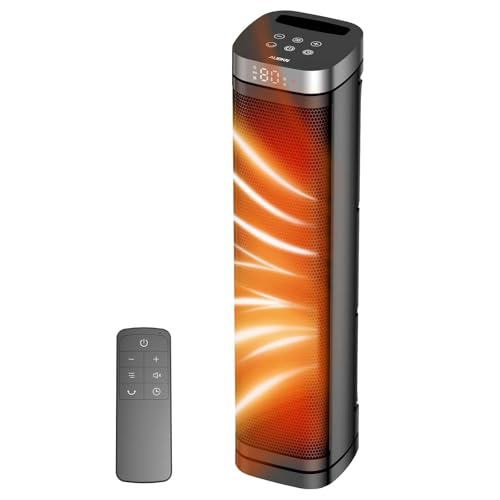
AUBKN X-Large 1500W Electric Space Heaters for Indoor Use, 24 inches | Thermostat, 70° Oscillation, ECO Modes, Remote, 12H Timer, Fast Heating, Quiet PTC Heater for Office, Bedroom
One of the home product options compared in this guide.
View on Amazon
DREO Quiet Space Heater, 1500W Portable Heaters for Indoor Use with Remote | 70° Oscillation, 11.5 ft/s Fast, 8 Safety Protection, Adjustable Thermostat, Electric Heater for Office Bedroom, 12H Timer
One of the home product options compared in this guide.
View on Amazon
DREO Space Heater, Portable Electric Heaters for Indoor Use with Thermostat | 70°Oscillation, Remote, ECO, 12H Timer, 5 Modes, Safe Quiet Room Heater for Bedroom, 1500W PTC Ceramic Heater for Office
One of the home product options compared in this guide.
View on Amazon
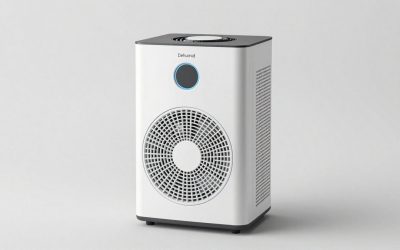
duraflame Electric Tower Heater, Oscillating Tower and Space Heater for Office or Large Room up to 1,000 Square Feet
One of the home product options compared in this guide.
View on Amazon
Shinic Radiant Heaters for Indoor Use Large Room, 1500W/750W Fast Heating Electric Heater with Thermostat, with Handle, ETL Listed, for Living Room Garage, Workshop, Warehouse - Black
One of the home product options compared in this guide.
View on AmazonThe best indoor electric heaters for large rooms are the ones that match your room honestly, because nearly every portable plug-in model here is a 1500W unit. Within this set, the DREO oil-filled radiator suits steady, quiet heat; the DREO 25-inch tower and the Lasko ceramic tower suit airflow across a wide space; the Shinic radiant heater suits a garage-type area; and the duraflame tower is the one that claims the biggest coverage, a claim you should read cautiously. One listing, the Dr Infrared DR-968, gives almost nothing beyond a wattage in its title.
Top picks at a glance
| Model | Key point from the title | Price tier | Best for |
|---|---|---|---|
| DREO Oil Filled Radiator | 1500W, digital thermostat, 24h timer, 4 modes | Mid-range | Quiet, steady heat for long sits |
| DREO 25 Inch Tower | Thermostat, 25dB claim, 70° oscillation, child lock | Mid-range | Wide airflow with safety features |
| DREO Space Heater (ETL-certified) | 1500W, ECO mode, 12H timer, ETL-certified | Mid-range | All-round living-room use |
| DREO Quiet Space Heater | 11.5 ft/s airflow, 8 safety protections | Mid-range | Bedroom or office with remote |
| DREO PTC Ceramic Heater | 5 modes, thermostat, 12H timer | Budget | Entry-level zone heating |
| Lasko 23″ Ceramic Tower | 1500W, 2 heat settings, remote, timer | Mid-range | Simple tower with few settings |
| AUBKN X-Large 24″ | 1500W PTC, thermostat, ECO modes, remote | Budget | Value-minded bedroom or office |
| Shinic Radiant Heater | 1500W/750W, handle, ETL Listed, garage use | Budget | Garage or workshop spot heat |
| Dr Infrared DR-968 | 1500-Watt portable heater (little else stated) | Premium | Buyers who confirm details first |
| duraflame Electric Tower | Oscillating tower, “up to 1,000 square feet” claim | Premium | Buyers who verify the coverage claim |
What’s changing in this category
Plug-in electric heaters have become more feature-heavy, though the heating itself is bound by the same limit as before. In general, a standard household outlet circuit limits portable heaters to about 1500 watts, which is why so many titles here carry the same wattage. What differs is everything around it.
Digital thermostats, remote controls, long timers and “ECO” modes are now routine even on budget models. These can cut running cost by letting the heater cycle off at your set temperature instead of running flat out. Quiet operation is the other selling point, and several titles quote a decibel figure. Treat such numbers as seller claims measured under conditions you cannot see.
Safety wording is also growing. Titles list overheat protection, tip-over switches, child locks and independent certification marks such as ETL. Those are good signs, but a listed feature is not a guarantee of how a given unit behaves in your home.
Another shift is the blurring of categories. A decade ago, buyers chose between a basic fan heater and a basic radiator. Today a single brand may sell a tower, a compact cube, a radiator and a radiant panel with nearly identical remotes and timers, so the label on the box matters less than the heating principle underneath. Reading a title for the words “PTC ceramic”, “oil filled” or “radiant” tells you more about how the heater will feel than any adjective does.
Finally, coverage claims have grown bolder. When a title promises a thousand square feet from a plug-in unit, check the wattage and compare it with the rule of thumb below. Energy bills are changing for many households too, so running cost deserves as much attention as purchase price. If your cold space is also damp, such as a basement, a dehumidifier matched to the room may matter as much as extra heat.
How we picked these
These ten listings come from published specifications, manufacturer documentation and buyer reviews, filtered to indoor electric heaters that mention large rooms or whole-room use. We compared what each title says about wattage, heater type, controls and safety features. Nobody on the team used or measured these units. Where a title is thin, as with the Dr Infrared DR-968, we say so and ask you to check the listing instead of filling gaps from memory.
The ten heaters, one by one
DREO Oil Filled Radiator Heater (1500W, digital thermostat, 24h timer)
This is the only oil-filled radiator in the set, built around steady, fan-free warmth. The title lists 1500W, a digital thermostat, ECO mode, remote control, four modes, a child lock, overheat and tip-over protection, a 24-hour timer and a grey finish. It is described as quiet.
Picture a living room where you watch a film for three hours: a radiator-type heater can feel gentler than a fan unit, because it warms surfaces and radiates, with no blowing air. Radiators typically take longer to warm up than fan models, which matters if you want heat within minutes.
- Pros: digital thermostat and long timer; child lock; quiet by design.
- Pros: no fan means no airflow noise.
- Cons: slower warm-up than fan heaters; heavier to move.
- Cons: no oscillation, so heat comes from one position.
Check the listing for weight, wheels or handles, the surface temperature and the cord length. Question to ask: does the unit stay put on carpet, and how long is the cord to a wall outlet?
DREO 25 Inch Electric Space Heater (thermostat, 25dB claim, 70° oscillation)
The tallest of the DREO fan heaters here, aimed squarely at “large room” use. The title states a thermostat, 11.5 ft/s fast heating, a 25dB quiet-operation claim, 70-degree oscillation, remote control, child lock, and overheating and tip-over protection. Wattage is not in the title, so check it.
A scenario: an open-plan room where you want warm air swept across two seating areas rather than aimed at one chair. Oscillation helps spread heat, but it cannot create more watts than the unit draws. The 25dB number is a claim from the seller and almost certainly measured in ideal conditions.
- Pros: tower shape and 70° sweep; remote; child lock.
- Pros: multiple listed safety protections.
- Cons: wattage not stated in the title.
- Cons: fan heaters cool quickly once switched off.
Because the title leaves wattage out, compare its specification page with the other DREO listings before you assume equal output. Height is the other trade-off: a tall tower reaches seated people more evenly, but needs a stable, level spot.
Check the listing for wattage, certification marks and dimensions. Question to ask: is this a 1500W unit, and what is the noise at the highest fan speed?
DREO Space Heaters for Indoor Use (1500W, ECO mode, ETL-certified)
A straightforward 1500W fan heater with a thermostat, 70-degree oscillation, remote, 12-hour timer, ECO mode and ETL certification. The “for Large Room” phrase appears in the title, but with 1500W as the ceiling, coverage is only as large as the room’s heat loss allows.
A fair use is a medium-to-large den where you want it to hold a set temperature while you work. The ECO mode and thermostat suggest the heater will cycle rather than run constantly, which can help running cost, though savings depend on room insulation and weather.
- Pros: ETL-certified per the title; thermostat plus 12H timer.
- Pros: ECO mode and remote.
- Cons: 1500W limit for a truly big room.
- Cons: fan noise level is not given.
Check the listing for the tower or compact shape, cord length and the warranty. Question to ask: what thermostat range does ECO mode work within?
DREO Quiet Space Heater (1500W, 11.5 ft/s, 8 safety protections)
This DREO leans on safety and airflow: 1500W, 70-degree oscillation, 11.5 ft/s fast heating, eight safety protections, an adjustable thermostat, remote and a 12-hour timer. It targets office and bedroom use in the title.
It suits someone who wants warm air quickly in a home office and does not want to babysit it. The “8 safety protection” phrase is a count of features the seller lists; check what they are rather than relying on the number.
- Pros: eight listed safety features; adjustable thermostat.
- Pros: 12H timer and remote.
- Cons: marketed for office and bedroom more than for big rooms.
- Cons: quiet claim is unquantified here.
It also fits a rented apartment where the heater will be moved between rooms, since a quiet, remote-controlled unit is easy to live with. If the thermostat is adjustable in small steps, it can hold a comfortable temperature without overshooting.
Check the listing for what the eight protections are and whether the unit is certified. Question to ask: is this meaningfully different from the other 1500W DREO models?
DREO Space Heater (1500W PTC ceramic, 5 modes, thermostat)
The lowest-cost DREO in the set, described as a portable electric heater with a thermostat, 70-degree oscillation, remote, ECO, 12H timer and five modes. It uses a PTC ceramic element and says it is safe and quiet.
It makes sense as a first heater for a bedroom or small office. As a large-room solution it runs into the same wattage ceiling as the pricier units, so expect it to warm your immediate area rather than the entire space.
- Pros: budget price tier; thermostat, remote and timer.
- Pros: five modes for flexibility.
- Cons: no safety feature list in the title beyond “safe”.
- Cons: wattage ceiling limits coverage.
A second heater of this kind can also work as a supplement in a big room: one for the reading corner and one for the desk, each on its own circuit. That spreads the load and gives you more control than a single unit pushed to its limit.
Check the listing for safety certification and tip-over protection. Question to ask: if the room is large, would two small heaters on separate circuits work better?
Lasko 23″ Ceramic Tower Space Heater with Remote (751320)
The title gives 1500W, widespread oscillation, two heat settings, remote, a timer and overheat protection in a 23-inch silver tower. It is a simpler design than the DREO towers, with fewer modes and no thermostat mentioned.
For someone who wants low and high rather than a menu of modes, the simplicity can be a plus. A scenario is a shared family room where several people just want to flip it on. The missing thermostat in the title means you may need to adjust it manually.
- Pros: simple controls; remote and timer; widespread oscillation.
- Pros: overheat protection is stated.
- Cons: no thermostat in the title; only two heat settings.
- Cons: tip-over protection is not mentioned.
Check the listing for a thermostat, tip-over switch and certification. Question to ask: how does it hold a steady temperature without a listed thermostat?
AUBKN X-Large 1500W Electric Space Heater (24 inches, PTC)
A 24-inch PTC heater with a thermostat, 70-degree oscillation, ECO modes, remote and a 12-hour timer, described as fast-heating and quiet for office or bedroom. It sits in the budget tier.
It could suit a cost-conscious buyer heating one zone, such as a desk area. The brand is less familiar than the others, so buyer reviews and warranty terms deserve a closer look. “X-Large” describes the body, and not extra heating output.
- Pros: low price tier; thermostat and ECO modes; remote.
- Pros: timer and oscillation.
- Cons: certification is not stated in the title.
- Cons: unknown service and support experience.
Check the listing for safety certification, warranty length and replacement parts. Question to ask: is it listed by an independent safety lab?
Shinic Radiant Heater (1500W/750W, thermostat, ETL Listed)
A radiant heater with two power settings (1500W and 750W), a thermostat, a carry handle and an ETL Listed mark. The title points to a living room, garage, workshop or warehouse.
Radiant heaters warm people and objects in front of them more than the surrounding air, so they suit a workbench or a seating spot. That is a different goal from heating an entire room. In a garage or workshop, keep it well away from sawdust, solvents, fuel and anything flammable, and follow the manufacturer’s instructions.
- Pros: two power levels; thermostat; ETL Listed; budget tier.
- Pros: handle for moving it.
- Cons: directional heat; less even room coverage.
- Cons: no oscillation or remote in the title.
Check the listing for tip-over protection and clearance distances. Question to ask: where will the front of the heater point, and what is within three feet of it?
Dr Infrared Heater DR-968 Portable Space Heater (1500W)
The title says almost nothing: a model number, 1500 watts and a Cherry colour. Nothing is stated about thermostat, safety features, noise or coverage. The name suggests an infrared design, but treat that as unconfirmed until you read the listing.
It could suit buyers who prefer infrared-style warmth and are happy to confirm the details themselves. Because the title offers so little, it is a weaker choice to buy on the basis of the headline alone, particularly at the premium end of this set.
- Pros: 1500W stated; recognisable model number to research.
- Pros: easy to look up manuals and buyer comments.
- Cons: almost no features listed; unclear controls.
- Cons: highest price tier without detail to justify it.
Check the listing for the heater type, thermostat, safety features and weight. Question to ask: what does it do that the cheaper listings here do not?
duraflame Electric Tower Heater (oscillating, “up to 1,000 square feet”)
This tower is described as an oscillating heater for an office or large room up to 1,000 square feet. No wattage, thermostat, remote or safety feature appears in the title.
A 1,000-square-foot claim deserves skepticism. If the unit is a standard plug-in heater at 1500W, the rule of thumb suggests it cannot condition a space that big on its own, though it may keep a sitting area comfortable. It could suit someone who likes the tower format and a recognised name, once the claim is explained.
- Pros: oscillating tower; named brand; large-room positioning.
- Pros: likely compact footprint for its shape.
- Cons: wattage and controls not stated; highest price tier.
- Cons: coverage claim looks optimistic.
Check the listing for wattage, how the 1,000 square feet is defined and its safety features. Question to ask: what conditions assume that coverage figure?
Buying guide: sizing, types and safety
Match heater type to the job
Fan-forced ceramic (PTC) heaters warm air quickly and often oscillate. Oil-filled radiators warm slowly and keep radiating for a while after they cycle off, which many people find steadier. Radiant heaters warm what is in front of them. For a large room, you may want one type for general warmth and another for a favourite seat.
Understand the wattage ceiling
Most portable plug-in units top out around 1500 watts, a limit tied to standard household circuits. More fan speed or fancy modes do not exceed it. If a room is big, consider two heaters on different circuits or a different heating solution, and ask a qualified electrician if you are unsure what your circuits can handle.
Controls that save money
A thermostat lets the heater cycle off at your target temperature. An ECO mode, a timer and a remote make it easier to avoid overheating an empty room. A tip-over switch and overheat protection are baseline safety features in this category.
Safety basics
Plug a heater directly into a wall outlet, avoid extension cords and power strips, and keep it at least three feet from bedding, curtains and furniture, or whatever distance the manual specifies. Do not use it in damp bathrooms unless the manual allows it, and keep children and pets away. If the cord or plug gets warm, stop using the heater. Follow the manufacturer’s instructions and local codes. If your cold-weather setup includes outdoor seating, remember that patio heaters are designed for a different environment than indoor models.
Placement and room layout
Where you put a heater changes how warm a big room feels. Heat rises, so in a room with high ceilings much of the warmth collects overhead unless a fan moves it around. Placing a fan-forced tower so it sweeps across your seating area, rather than into a corner, makes better use of the same watts. Radiant units should face where people sit, with clear space in front. Avoid blocking the air intake at the back or sides, and do not put any heater where it can be knocked over in a walkway.
Reduce the heat you lose first
Before adding a second heater, look at where warmth escapes. Gaps under doors, single-pane windows and open doorways to unheated spaces can undo a lot of a heater’s work. Closing doors to rooms you are not using shrinks the space the heater has to fight. Heavy curtains and door draft stoppers are inexpensive, though keep fabric well away from the heater itself. A modest draft fix can feel like adding extra wattage.
Noise and sleeping
Fan heaters make noise from the fan and sometimes from the element clicking as it heats. A decibel claim helps only if you know the speed it was measured at. Radiators have no fan, so they are the usual suggestion for light sleepers, but they still click or tick softly as they warm. If the heater will run in a bedroom, read buyer comments about night-time noise and the brightness of display lights, which some people find distracting in the dark.
A worked example, with assumptions
Say the room is 20 by 15 feet, or 300 square feet, with standard ceilings and average insulation (assumptions for illustration). A 10-watts-per-square-foot rule of thumb suggests about 3000 watts to heat it from cold. One 1500W heater supplies half of that. Running costs at an assumed 16 cents per kWh would be about 24 cents an hour for each heater at full output.
| Spec concept | What to look for | Why it matters |
|---|---|---|
| Wattage | 1500W stated in the title or specs | Sets the maximum heat output |
| Heater type | PTC ceramic, oil-filled or radiant | Changes warm-up speed and feel |
| Thermostat | Digital or adjustable, with ECO | Cuts wasted running time |
| Safety | Tip-over, overheat, child lock, certification | Reduces risk in homes with kids or pets |
| Noise | Decibel claim and fan-free options | Matters in bedrooms and offices |
| Coverage claim | Square footage tied to wattage | Prevents buying on an inflated promise |
Mistakes buyers make
Believing the square-footage line. Wattage and insulation decide coverage, not the headline.
Plugging into a power strip. Heaters draw a lot of current, and manufacturers generally say to use a wall outlet.
Buying for features, not for the room. A remote does not add heat. Match heater type and count to the room.
Ignoring clearances. Curtains, couches and bedding too close to a heater are a classic fire risk.
Skipping certification. Look for listed marks and a clear warranty, particularly on lesser-known brands.
Leaving it running unattended. Use timers and thermostats, but do not treat them as a reason to leave a heater on while you are away.
Verdict by use case
Quiet, steady warmth: the DREO oil-filled radiator. Wide airflow with safety extras: the DREO 25-inch tower. All-round certified fan heater: the DREO ETL-certified space heater. Budget bedroom or office: the DREO PTC model or the AUBKN. Simple tower: the Lasko ceramic tower. Garage or workshop: the Shinic radiant heater, with strict clearances. Premium listings needing homework: the Dr Infrared DR-968 and the duraflame tower, each after you verify wattage and coverage. Confirm current details on the listing.
Related guides
Frequently asked questions
Can a single 1500W heater warm a truly large room?
Usually only partly. A common rule of thumb is roughly 10 watts per square foot for a room with standard ceilings and average insulation, which puts a 1500W heater near 150 square feet. Larger, drafty or high-ceiling rooms need more output than one plug-in unit provides. A heater can still make the area around you comfortable, which is often the practical goal. Treat any square-footage claim in a title as a seller claim and check the listing for the wattage behind it.
Is an oil-filled radiator better than a fan heater for a big room?
It depends on how you use it. Oil-filled radiators tend to warm up slowly and keep radiating after they cycle off, and they are often quiet because they have no fan. Fan-forced ceramic heaters warm the air near you faster but can be noisier and cool quickly once off. For a large room you sit in for hours, a radiator can feel steadier; for quick spot heating, a fan model usually responds sooner.
Do oscillation and “fast heating” claims make a heater stronger?
Not in terms of total heat. Most plug-in electric heaters in these listings are rated at 1500W, and wattage sets the maximum heat output regardless of oscillation or air speed. Oscillation spreads warm air across more of the room, and a faster fan can move it sooner, which may feel better in a large space. The 11.5 ft/s style claims describe airflow, not extra heat, so read them as comfort features.
Is it safe to run an electric heater all night?
Follow the manufacturer’s instructions first, because rules differ by model. As general safety practice, plug a heater directly into a wall outlet rather than an extension cord or power strip, keep it well clear of bedding, curtains and furniture, place it on a flat, hard surface, and do not leave it running unattended. Make sure smoke alarms work. If a household has young children or pets, features like a child lock and tip-over protection are helpful, not a substitute for supervision.
How much does it cost to run a 1500W heater?
Multiply kilowatts by hours by your electricity rate. A 1500W heater uses 1.5 kWh per hour at full output. At an assumed rate of 16 cents per kWh, that is about 24 cents per hour, or roughly 1.92 dollars over eight hours of constant full power. A thermostat cycles the heater on and off, so real cost is often lower. Your local rate will change the answer, so use the number on your electric bill.
Should I buy one big heater or two smaller ones?
Because plug-in models share a similar wattage ceiling, two heaters in different parts of a large room often give more even comfort than one, provided they are on separate circuits so you do not overload one. Two units also give you flexibility to run just one when you only need part of the room. If you are unsure about your circuits, ask a qualified electrician before running two high-wattage heaters at once.