Key takeaways
- Never use baby wipes, Clorox wipes, or all-purpose household cleaners on leather — they contain chemicals that strip the protective topcoat and can cause permanent discoloration.
- Keep a white microfiber cloth specifically designated for leather cleaning; colored cloths can transfer dye onto white leather during use.
- For families with kids or pets, do a light wipe-down of armrests and seat cushions once a week — it prevents buildup that requires aggressive cleaning later.
- If your leather develops a musty smell, place an open box of baking soda (not on the leather — next to it) overnight to absorb odors without direct contact.
What's inside
- Why White Leather Needs Its Own Cleaning Approach
- Step 1: Test Before You Commit
- Step 2: Clean in Sections, Not All at Once
- Step 3: Condition to Keep the Leather Supple
- Step 4: Address Stains Promptly
- Step 5: Protect Against Future Damage
- Tips
- Frequently Asked Questions
- Conclusion
- Related Articles
- Related Guides
There’s a particular kind of dread that comes with spilling red wine on a white leather sofa — the kind that makes your stomach drop before the glass even hits the cushion. White leather is a stunning centerpiece for any living room, but it demands a cleaning approach that’s specific, gentle, and consistent. Treat it wrong and you’re looking at discoloration, cracking, or a dull finish that never quite comes back. Get it right and that sofa looks showroom-fresh for years.
- Why White Leather Needs Its Own Cleaning Approach
- Step 1: Test Before You Commit
- Step 2: Clean in Sections, Not All at Once
- Step 3: Condition to Keep the Leather Supple
- Step 4: Address Stains Promptly
- Step 5: Protect Against Future Damage
- Tips
- Frequently Asked Questions
- Conclusion
- Related Articles
- Related Guides
This guide walks you through exactly how to clean a white leather sofa without damaging the material, what products actually hold up under real-world use, and which mistakes to avoid. Whether you’re dealing with everyday grime, ink stains, or just trying to keep things bright between deep cleans, the steps below will give you a solid routine you can stick with.
As an Amazon Associate we earn from qualifying purchases at no extra cost to you. Product prices and availability are accurate as of the date shown and are subject to change.




🛒 Best Price Today on Amazon
Prime members get fast, free shipping on everything above, plus member-only deals. New members get a 30-day free trial — cancel anytime.
Why White Leather Needs Its Own Cleaning Approach
Most leather cleaning advice online is written for dark-colored furniture, and that’s a problem. Dark leather hides residue, minor color transfer, and product buildup in ways that white leather simply cannot. A cleaner that’s perfectly fine for a brown couch can leave a faint yellowish film on white — and once it’s there, it’s stubborn. White leather also shows dye transfer from clothing (especially raw denim and dark wool) more readily than almost any other surface, which means routine wiping isn’t optional — it’s essential. You’ll also want to avoid anything with heavy dyes or fragrances in the formula, since those can tint or stain light leather over time. Stick to colorless, non-toxic products specifically formulated for light or white leather surfaces.
Step 1: Test Before You Commit
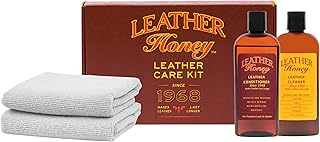
Before applying anything to the visible surface of your sofa, test your chosen cleaner on an inconspicuous spot — the underside of a cushion, the back panel near the floor, or the inner flap of a seam. Dab a small amount on with a clean microfiber cloth, let it sit for two minutes, then wipe it off. Check for any color change, dullness, or sticky residue. This step takes about three minutes and can save you from a costly mistake. Products like the Leather Honey Leather Cleaner are formulated to be safe across leather types and colors, including white, but every hide is different and aging changes how leather absorbs product.
Step 2: Clean in Sections, Not All at Once
Work one cushion or panel at a time. Apply your cleaner to a damp microfiber cloth — never directly onto the leather — and wipe in gentle, circular motions. The goal is to lift dirt out of the grain without grinding it deeper. For everyday dust and surface grime, the Weiman Leather Cleaner & Conditioner does the job well in a single step, combining mild cleaning agents with UV protection to slow fading. Pay special attention to armrests and headrests, which accumulate body oils faster than the rest of the sofa. After cleaning each section, wipe it down with a separate damp cloth (water only) to remove any leftover product, then blot dry immediately with a soft towel.
Step 3: Condition to Keep the Leather Supple
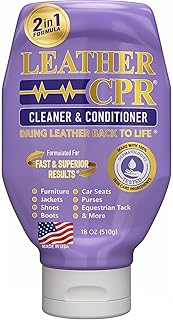
Cleaning removes dirt — and some of the natural oils that keep leather soft. Conditioning after every deep clean is what prevents the cracking and stiffness that make a sofa look worn out far too early. If you’re starting from scratch, the Leather Honey Complete Leather Care Kit bundles a cleaner, conditioner, and cloths into one package, which takes the guesswork out of pairing products. For ongoing maintenance, a standalone conditioner like Leather CPR Cleaner and Conditioner works on both cleaning and conditioning in one application, making it a solid choice for monthly touch-ups. Apply conditioner in thin, even layers, allow it to absorb for 15 to 20 minutes, then buff off any excess with a clean cloth.
Step 4: Address Stains Promptly
The golden rule of white leather is this: the faster you act, the less likely the stain sets. Blot (don’t rub) any spill immediately with a dry cloth. For ink marks, a slightly dampened cotton swab dipped in a mild leather cleaner can lift most of it within seconds. Deeper discoloration or scuff marks may call for a Leather Recoloring Balm, which fills in surface-level color loss and works on faux and genuine leather alike. Avoid household products like baking soda pastes, toothpaste, or vinegar solutions — these are frequently recommended online but can strip the finish off finished leather, leaving it exposed and vulnerable.
Step 5: Protect Against Future Damage
Once your sofa is clean and conditioned, prevention becomes the priority. Keep the sofa out of direct sunlight or use window UV filters, since ultraviolet rays are the number-one cause of yellowing and cracking in white leather. Consider applying a dedicated leather protectant or using a leather-specific UV spray to add a barrier against spills and fading. Rotate and flip cushions weekly to distribute wear evenly, and keep a small cleaning kit nearby for emergencies. The 2-pack Weiman Leather Cleaner & Conditioner 22 oz set is worth keeping on hand so you’re never caught without a backup when something happens.
Tips
- Never use baby wipes, Clorox wipes, or all-purpose household cleaners on leather — they contain chemicals that strip the protective topcoat and can cause permanent discoloration.
- Keep a white microfiber cloth specifically designated for leather cleaning; colored cloths can transfer dye onto white leather during use.
- For families with kids or pets, do a light wipe-down of armrests and seat cushions once a week — it prevents buildup that requires aggressive cleaning later.
- If your leather develops a musty smell, place an open box of baking soda (not on the leather — next to it) overnight to absorb odors without direct contact.
Frequently Asked Questions
Can I use water and soap to clean a white leather sofa?
A tiny amount of distilled water on a damp cloth is fine for quick surface wipes, but regular tap water can leave mineral deposits that show up as white spots on leather. Soap is a different problem entirely — most soaps are too alkaline for leather and will dry it out over time. You’re far better off using a pH-balanced leather cleaner like Leather Honey or Weiman, which are specifically formulated not to damage the material.
How often should I clean and condition my white leather sofa?
For a household with regular use, a full clean-and-condition cycle every two to three months keeps things in good shape. High-traffic sofas or homes with children and pets may benefit from monthly conditioning. Quick wipe-downs with a damp cloth should happen weekly — they take two minutes and dramatically reduce how often you need a deep clean.
What’s the best way to remove ink from a white leather sofa?
Blot the ink immediately — don’t rub, which spreads it. Dampen a cotton swab with a small amount of leather cleaner and gently work the ink out in one direction. Most ballpoint ink lifts within seconds if the stain is fresh. For dried ink, you may need to repeat the process or use a leather-safe ink remover. Avoid acetone-based nail polish removers, which will damage the leather finish.
Will conditioning prevent my white leather from yellowing?
Conditioning helps by keeping the leather hydrated and maintaining its protective finish, but it won’t fully prevent yellowing on its own. UV exposure, age, and body oil buildup are the primary culprits. Combining regular conditioning with sunlight protection — blinds, UV-filtering window film, or keeping the sofa out of direct light — gives you the best defense against yellowing over time.
Conclusion
A white leather sofa rewards the people who care for it properly — it stays bright, feels luxurious, and ages gracefully instead of looking tired. The routine above doesn’t require hours of work or expensive specialty services. A quality cleaner, a good conditioner, and a few consistent habits are what stand between your sofa looking brand new and looking like a mistake you regret. Start with the basics, stick with them, and your white leather will hold up for years without losing its appeal.