Key takeaways
- Best for: Daily or weekly overnight sleeping, guests who stay multiple nights, apartments where the sofa is the primary bed
- Sleep surface: Flat, uniform, supported by a mesh or slat base under the mattress
- Trade-off: Heavier (150-220 lbs total), requires more floor space to deploy, and costs more. Usually $800–$2,000 for a queen with a usable mattress
What's inside
- Pull-Out vs. Fold-Down: The Core Mechanism Difference
- Mattress Types for Pull Out Couches Compared
- Size and Room Fit: Real Measurements That Matter
- Frame and Construction: What Determines Durability
- Decision Matrix: Choose by Your Situation
- Assembly, Moving and What Wears First
- FAQ: Real Follow-Up Questions
A pull out couch for everyday sleeping should have a pull-out mechanism with a dedicated 4.5 to 5.5-inch thick mattress and a kiln-dried hardwood or reinforced metal frame; fold-down futon-style sofas are lighter and cheaper but rarely comfortable for nightly use due to thinner cushions and uneven support.
- Pull-Out vs. Fold-Down: The Core Mechanism Difference
- Mattress Types for Pull Out Couches Compared
- Size and Room Fit: Real Measurements That Matter
- Frame and Construction: What Determines Durability
- Decision Matrix: Choose by Your Situation
- Assembly, Moving and What Wears First
- FAQ: Real Follow-Up Questions
Pull-Out vs. Fold-Down: The Core Mechanism Difference
Both are sold as sleeper sofas, but they work differently and that determines comfort and longevity.

Signature Design by Ashley Chatterton Queen Sleeper Sofa Couch, Granite
Included for 'Pull Out Couch Guide: Mattress Types, Sizes & How to Choose for Everyday Use' because the listing specifies Granite, details this guide uses to compare options.
View on Amazon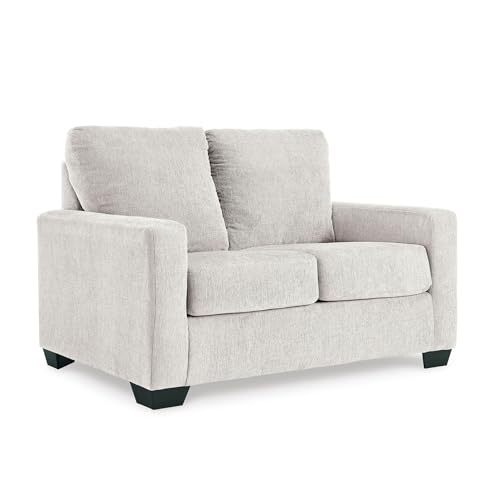
Signature Design by Ashley Twin Pull Out Sofa Bed, Snow, Rannis
Included for 'Pull Out Couch Guide: Mattress Types, Sizes & How to Choose for Everyday Use' because the listing specifies Snow and Rannis, details this guide uses to compare options.
View on Amazon
Signature Design by Ashley Queen Sleeper Sofa, Pull Out Couch, Snow White
Included for 'Pull Out Couch Guide: Mattress Types, Sizes & How to Choose for Everyday Use' because the listing specifies Pull Out Couch and Snow White, details this guide uses to compare options.
View on Amazon
Signature Design by Ashley L-Shaped Pull Out Sectional Couch, Slate Gray
Included for 'Pull Out Couch Guide: Mattress Types, Sizes & How to Choose for Everyday Use' because the listing specifies Slate Gray, details this guide uses to compare options.
View on AmazonPull-Out Couch (Traditional Sleeper)
A true pull out couch hides a bi-fold metal frame and mattress inside the sofa base. You remove the seat cushions and pull a handle to unfold the bed. The seating cushions and sleeping surface are separate, so neither is compromised.
- Best for: Daily or weekly overnight sleeping, guests who stay multiple nights, apartments where the sofa is the primary bed
- Sleep surface: Flat, uniform, supported by a mesh or slat base under the mattress
- Trade-off: Heavier (150-220 lbs total), requires more floor space to deploy, and costs more. Usually $800–$2,000 for a queen with a usable mattress
Fold-Down / Futon / Click-Clack
The backrest simply reclines flat to align with the seat, creating a sleeping surface from the seat and back cushions. There is no separate mattress.
- Best for: Occasional naps, small studios, tight budgets, and users who need a quick lounge-to-bed conversion
- Sleep surface: Cushion seam in the middle, often with a noticeable gap or firmness change between sections
- Trade-off: Light (90-140 lbs), compact, and inexpensive at usually $300–$700, but cushions compress quickly under nightly weight and offer poor spinal alignment
For everyday use, a pull-out mechanism wins decisively. Fold-down models use the same foam for sitting and sleeping, so the foam softens 30-40% faster in the hip zone where you both sit and sleep.
Mattress Types for Pull Out Couches Compared
The factory mattress is where most pull out couches fail for daily sleepers. Stock 3-inch innerspring mattresses are designed for two to three nights per month, not eight hours per night.
| Mattress Type | Typical Thickness | Density / Coil Count | Firmness & Feel | Durability for Daily Use | Weight Limit (Queen) |
|---|---|---|---|---|---|
| Innerspring (Standard) | 3.5 – 4 inches | 250-350 coils, 13.5 gauge | Firm, bouncy, can feel bars underneath | Low – sags in 12-18 months of nightly use | 400-500 lbs |
| High-Density Foam | 4 – 5 inches | 1.8 – 2.2 lbs/ft³ density | Medium-firm, uniform, no motion transfer | Good – 3-5 years if density over 1.8 | 500-600 lbs |
| Memory Foam | 4.5 – 5.5 inches | 3.0 – 4.0 lbs/ft³ density | Medium to soft, contours to body, retains heat | Very Good – 4-6 years, best pressure relief | 550-650 lbs |
| Hybrid (Foam + Innerspring) | 5 – 5.5 inches | Pocket coils + 2-inch foam topper | Medium, supportive with some bounce | Excellent – best for couples and heavier sleepers | 600-750 lbs |
| Air-Over-Coil (Inflatable topper) | 4.5 inches + adjustable air | Coils + air bladder | Adjustable firmness | Moderate – valves and air bladders leak over time | 500-600 lbs |
What to choose: For daily sleeping, ignore any mattress under 4 inches or foam under 1.8 lbs/ft³ density. That low-density foam will develop a permanent body impression deeper than 1.5 inches within a year. If you have back pain or weigh over 200 lbs, a 5-inch memory foam or hybrid is the only option that prevents feeling the support bars. Many owners immediately replace the stock innerspring with a 4.5-inch gel memory foam replacement mattress, which usually costs $250–$450 for a queen.
Size and Room Fit: Real Measurements That Matter
A pull out couch needs more clearance than its sofa footprint suggests. Measure your room and doorways before you buy.
| Pull Out Couch Size | Sofa Dimensions (W x D) | Extended Bed Size | Floor Space Needed When Open | Minimum Room Size That Works |
|---|---|---|---|---|
| Twin | 54-62″ x 36-38″ | 38″ x 72″ | 62″ x 85″ (including walk-around) | 8 x 10 ft office or den |
| Full | 68-76″ x 36-38″ | 54″ x 72″ | 76″ x 85″ | 10 x 10 ft bedroom |
| Queen (Most Common) | 78-90″ x 38-40″ | 60″ x 72″ | 90″ x 92″ | 10 x 12 ft living room |
| King | 90-100″ x 40″ | 76″ x 72″ | 100″ x 92″ | 12 x 14 ft or larger |
Clearance rules:
- Leave 36 inches in front of the sofa for the pull-out frame to fully extend, plus 18-24 inches to walk around the foot of the bed.
- Seat height of 17-19 inches is standard; if you are replacing a bed, note that a pull out couch sleeping surface is low at 14-16 inches from the floor, which can be difficult for older adults to get up from.
- Allow 30 inches between the open bed and any wall, coffee table, or TV stand for ventilation and making the bed.
- Doorway width matters: Most queen pull out couches ship in two boxes but the main base is 58-62 inches long and 32-34 inches deep. You need a 32-inch doorway minimum, 36 inches is safer for turning corners in hallways. Apartment elevators must be at least 84 inches long to fit the base upright.
Frame and Construction: What Determines Durability
Mechanism and mattress quality mean little if the frame warps. For everyday conversion, the frame takes 500+ open/close cycles per year.
| Frame Material | Weight Capacity | Pros | Cons | Best For |
|---|---|---|---|---|
| Kiln-Dried Solid Hardwood | 600-750 lbs (queen) | Stays square, resists warping, joints hold screws | Heaviest, most expensive | Daily sleepers, long-term use 7+ years |
| Engineered Wood (Plywood / Particleboard) | 400-550 lbs | Lighter, lower cost, usually $600–$1,000 | Swells with humidity, staples pull out, sags under nightly weight | Occasional guests, 1-2 year use |
| Metal Frame (Steel Tube) | 650-850 lbs | Strongest, no warping, slim profile | Can creak, colder feel, heavier than wood | Heavy daily use, rentals, kids and pets |
Beyond material, check these construction details:
- Mechanism: Look for a three-fold mechanism with double-locking legs and a center support leg for queen and king sizes. Two-fold mechanisms are cheaper but leave a bar under your lower back.
- Upholstery: For daily sitting plus nightly sleeping, performance fabric or tightly woven microfiber (rub count over 30,000 double rubs) resists pilling and pet claws far better than linen or velvet. Leather holds up well but sleeps hot.
- Suspension: Sinuous springs or webbing under the seat cushions will sag if you sit in the same spot daily. Eight-way hand-tied springs or solid platform support last longer under dual use.
Decision Matrix: Choose by Your Situation
| Your Situation | Recommended Pick | Why |
|---|---|---|
| Small studio (under 500 sq ft), daily sleeper | Twin or Full pull-out with 5-inch memory foam | Fits 8×10 ft room, saves 22 inches of width vs queen, foam folds compactly without coil bulk |
| One-bedroom apartment, guests 2-3 nights/week | Queen pull-out with high-density foam or hybrid | Balances seating for 3 with a true queen bed; hybrid supports two adults without sag |
| Family with kids and pets | Queen metal-frame pull-out, performance fabric, hybrid mattress | Highest weight limit, fabric resists stains, metal withstands jumping and frequent conversion |
| Renter who moves every 1-2 years | Full or queen with removable back and modular boxes under 70 lbs per box | Easier through 30-inch doorways and stairwells; avoid one-piece 200 lb bases |
| Chronic back or hip pain | Queen pull-out with 5.5-inch gel memory foam or hybrid + center support bar cover | Pressure relief and consistent support; add a 1-inch mattress topper if bars are still felt |
| Occasional guests only (under 10 nights/year) | Fold-down or budget innerspring pull-out | Saves $400–$800 and floor space; comfort trade-off is acceptable for infrequent use |
Assembly, Moving and What Wears First
Expect two to three boxes totaling 130-200 lbs for a queen pull out couch. The heaviest box (the base with mechanism) is typically 110-140 lbs. Most models require 30-60 minutes of assembly to attach the back, legs, and arms with included tools. You will need two people to lift the base; dragging it damages the mechanism.
What fails first with everyday use:
- Mattress compression (Year 1-2): Low-density foam develops a 1-2 inch dip where hips rest. Rotate the mattress 180 degrees monthly to extend life.
- Mechanism rivets and springs (Year 2-4): The pull handle cable and leg springs stretch. Lubricate pivot points twice a year with silicone spray, not WD-40 which attracts dust.
- Seat cushion sag (Year 2-3): Foam seat cushions rated at 1.5 lbs/ft³ will soften where you sit daily. Choose 1.8+ lbs/ft³ or high-resiliency foam. Cushions with zippered covers let you replace the foam insert for $60–$120 instead of replacing the sofa.
- Fabric on armrests and leading edge: The fabric where you sit and where the mattress folds rubs first. Darker patterned performance fabrics hide wear better than light solid colors.
If you plan to sleep on it every night for more than two years, budget for a mattress upgrade and consider a model with a replaceable mechanism. A solid wood or metal frame can last 8-10 years, but the mattress and mechanism are consumable parts on a daily-use pull out couch.
FAQ: Real Follow-Up Questions
Can I replace the mattress in any pull out couch?
Most queen sofas accept a standard 60 x 72-inch sleeper mattress, but thickness is limited by the folding mechanism. Measure the folded cavity; most frames only accept 4 to 5.5 inches. A too-thick mattress will not fold closed and will strain the mechanism.
Do I need a special sheet set?
Yes. Standard queen sheets are 60 x 80 inches, too long for the 72-inch sleeper mattress. Buy 60 x 72-inch sleeper or cot sheets with elastic corners, or use full-size sheets tucked tightly.
Will a pull out couch damage my floor?
The front legs and center support leg can dent hardwood or vinyl when the bed is deployed under load. Place adhesive felt pads on all contact points and add a small rug under the extension area if you open it daily.