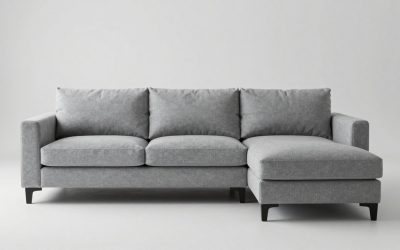
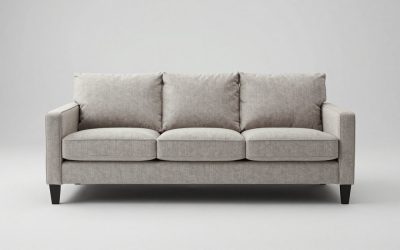
Our Top Picks
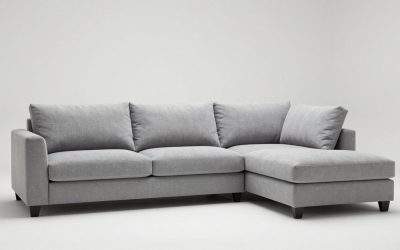
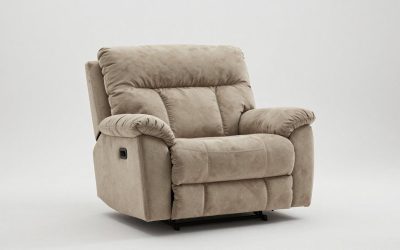
 Signature Design by Ashley Small Loveseat64"W x 37"D x 37"H39 x 67 x 40 inches98 poundsCheck on Amazon
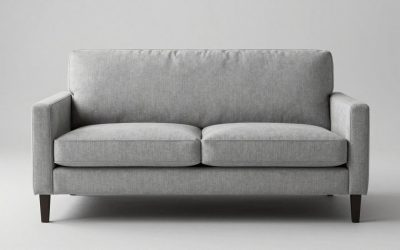
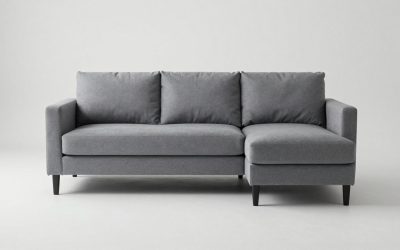
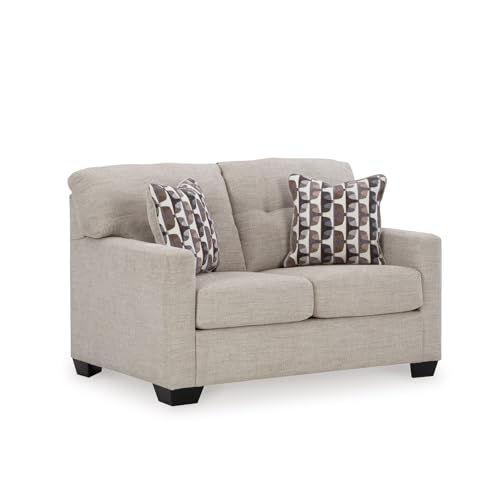 Signature Design by Ashley Mahoney Small Loveseat forSymmetrical53 x 38 x 37 inches98 PoundsCheck on Amazon
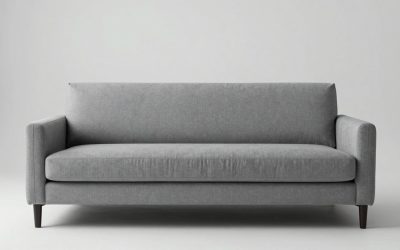
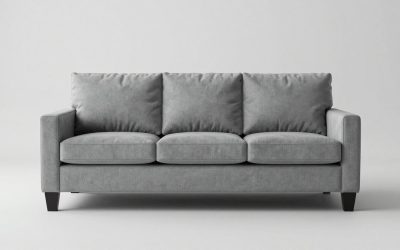
 Signature Design by Ashley Altari Small Loveseat62"W x 38"D x 37"H38 x 62 x 37 inches103 PoundsCheck on Amazon
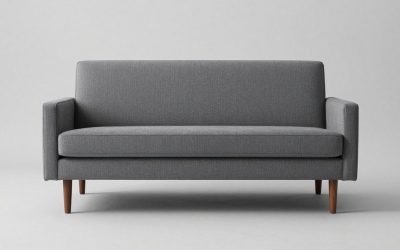
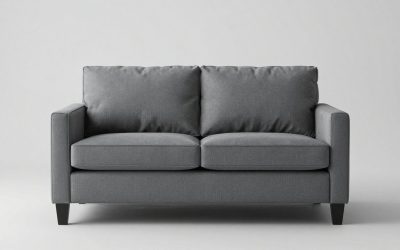
 Signature Design by Ashley Altari Loveseat Sofa62"W x 38"D x 37"H62 x 38 x 37 inches103 PoundsCheck on Amazon
For rooms under 200 sq ft, the best small couches are 48-72 inches wide, 32-36 inches deep, and 17-19 inches high at the seat — loveseats (48-58″) for the tightest layouts, apartment sofas (68-72″) for balanced seating, and compact 3-seaters (72-78″) only if you have at least 10 feet of wall. The right pick depends on clearance, not just couch length.
Loveseat vs Apartment Sofa vs Compact 3-Seater: The Real Dimensions
Marketing names overlap, but manufacturers use these width classes consistently in 2026. Depth and seat height matter just as much for small-space comfort and traffic flow.
Signature Design by Ashley Small Loveseat, Black Sofa Couch, Darcy
Chosen because it specifies Black Sofa Couch and Darcy.
View on AmazonSignature Design by Ashley Mahoney Small Loveseat for Small Spaces, Beige
Chosen because it specifies Beige.
View on AmazonSignature Design by Ashley Altari Small Loveseat, 62-in Couch, Slate Gray
Chosen because it specifies 62-in Couch and Slate Gray.
View on AmazonSignature Design by Ashley Altari Loveseat Sofa, 62 in Small Gray Couch
Chosen because it specifies 62 in Small Gray Couch.
View on Amazon| Type | Typical Width | Typical Depth | Seat Height | Seats | Best For |
|---|---|---|---|---|---|
| Loveseat | 48-58 inches | 32-34 inches | 17-18 inches | 2 | Studios, 10×12 ft bedrooms, or paired with chairs |
| Apartment Sofa | 68-72 inches | 33-36 inches | 17-19 inches | 2-3 snug | Most apartments under 200 sq ft living rooms |
| Compact 3-Seater | 72-80 inches | 34-38 inches | 18-19 inches | 3 | Narrow living rooms with one long wall (10+ ft) |
| Small Sofa with Chaise (reversible) | 70-78 inches wide | 34″ sofa / 58-62″ chaise depth | 17-18 inches | 2 + lounge | Replaces a sofa + ottoman if layout allows |
Two measurements product listings often hide: arm width and back thickness. A couch listed at 72 inches wide with 6-inch rolled arms gives you only 60 inches of usable seat. For small spaces, choose track arms (3-4 inches wide) or armless ends to gain 4-8 inches of sitting space without extra footprint.
How to Fit a Couch Without Blocking the Room
Use clearance rules before you fall in love with a style. These are standard interior planning minimums, not preferences.
- Traffic path: Leave 30-36 inches for main walkways, 18 inches minimum for a secondary pass between couch and coffee table.
- Coffee table gap: 14-18 inches between seat edge and table. More than 18 inches feels disconnected; less than 14 inches pinches knees.
- Rug and wall clearance: Leave 2-4 inches between couch back/side and wall for ventilation and to avoid scuffing. On a rug, front legs should sit 6-8 inches onto the rug to anchor the layout.
- Doorway and elevator fit: Measure your narrowest doorway, hallway turn, and elevator door. Most apartment sofas ship in boxes 65-75 inches long but need 28-32 inches of doorway clearance when tilted. If your door is 29 inches, look for sofas with removable legs and low backs under 30 inches high, or models that ship in two sections.
Room-size fit examples
10×12 ft room (120 sq ft): A 68-inch apartment sofa on the 10-foot wall leaves about 26 inches on each side for a side table or plant, and 52 inches of depth in front for a 20-inch deep coffee table plus an 18-inch walkway. A 78-inch compact 3-seater on the same wall leaves only 21 inches per side and will crowd the door swing.
12×14 ft room (168 sq ft): You can float a 72-inch apartment sofa with a 36-inch clearance behind it for circulation, or push a compact 3-seater against the 14-foot wall and still have room for two armchairs opposite (needs 84-96 inches wall-to-wall).
Studio under 200 sq ft (e.g., 18×11 ft): Choose a 52-58 inch loveseat. It preserves 60+ inches for a dining nook or desk. Pair it with a lightweight accent chair you can move, rather than maxing out length with a 3-seater that dominates the only living wall.
Pick by Your Situation, Not Just Size
Width gets attention, but depth and seat height decide daily comfort.
| Your Situation | Best Choice | Why | What to Avoid |
|---|---|---|---|
| Small apartment, need to host 3 | 68-72″ apartment sofa, track arms | Fits 3 in a pinch, still navigable | Deep 38″+ sofas that push you too far from the table |
| Renter who moves often / narrow stairwell | Loveseat or modular apartment sofa in 2 boxes | Box weight 70-110 lbs per section vs 130-160 lbs for one-piece compact 3-seater | One-piece solid-frame sofas over 80″ wide |
| Kids and pets | Low-profile apartment sofa, 17-18″ seat height, tight back | Tight back has no loose cushions to slide; lower height is easier to clean under | Tall tufted backs and loose fiber-filled cushions |
| Back pain / prefer upright sitting | Apartment sofa 18-19″ seat height, medium-firm foam | Higher seat reduces hip drop; firmer foam prevents sagging | Soft 16-17″ deep sink-in seats and low 15″ heights |
| Need lounge / nap space without sectional | Small sofa with reversible chaise, 70-75″ wide | Chaise gives leg support without adding a full sectional footprint | Fixed L-shaped sectionals over 85″ wide |
Seat Height, Depth and Comfort Trade-offs
Seat height: Standard dining chairs are 18 inches, coffee tables 16-18 inches, and desks 29-30 inches. A couch seat at 17-19 inches keeps your knees at roughly 90 degrees and makes it easy to stand up. If you are under 5’4″, aim for 17-18 inches. If you are over 5’10” or have knee issues, 18-19 inches will feel more supportive.
Seat depth: 20-22 inches deep is upright and good for conversation and small rooms. 22-24 inches is lounge depth but requires a deeper frame (35-38 inches total depth) that eats floor area. In a sub-200 sq ft room, a 21-inch seat depth gives the best compromise.
Weight limits: Most quality small couches are rated for 600-750 lbs total (250-300 lbs per seat). Budget frames with plywood and sinuous springs often list 500-600 lbs total. If three adults will sit regularly, verify a 700+ lb total capacity and a hardwood or reinforced engineered wood frame.
Frame, Fabric and Cushion Materials for Small Spaces
Small couches get more daily wear per cushion because you sit in the same spot. Construction choice affects durability, weight and off-gassing in tight rooms.
| Material / Build | Pros | Cons | Best When |
|---|---|---|---|
| Solid wood frame (kiln-dried hardwood) | Longest life (10-15 years), holds screws, less flex | Heavier (90-140 lbs), usually $600-$1200+ | You plan to keep the sofa 7+ years |
| Engineered wood / plywood frame | Lighter, lower cost, usually $350-$700 | Can loosen at joints after 3-5 years if stapled only | Rental or short-term use, tight budget |
| Metal frame | Very strong, slim profile, easy to move | Firmer sit, can feel cold, fewer upholstered styles | Modern look, need narrow arms and durability |
| Performance woven fabric (polyester blend, microfiber) | Stain-resistant, budget-friendly, pet-friendly | Can pill with low rub counts; less breathable than natural fibers | Kids, pets, frequent snacking |
| Natural fabric (cotton, linen blend) | Breathable, soft texture | Wrinkles, stains more easily, usually needs treatment | Low-traffic, adult-only homes |
| Velvet (polyester velvet) | Hides wear, cozy in small rooms | Shows pet hair, needs brushing | Style focus, regular vacuuming okay |
| High-density foam (1.8-2.2 lb/cu ft) | Holds shape, supportive, good for upright sitting | Firmer initial feel | Daily use, back support priority |
| Low-density / fiber-blend fill | Plush sink-in feel, lower cost | Compresses in 1-2 years, needs fluffing | Guest or occasional seating only |
Look for specifics that signal longevity without needing to see it in person: sinuous springs or pocket coils under the seat (not just webbing), foam density listed as 1.8 lb/cu ft or higher, and fabric rub count of 30,000+ double rubs for daily use. In small rooms with limited airflow, low-VOC CertiPUR-US certified foam is worth prioritizing.
Assembly, Moving and What Wears First
Small-space couches often need to navigate tight urban buildings. Expect these realities:
- Box weight and delivery: Loveseats usually ship 55-85 lbs in one box; apartment sofas 85-130 lbs in one or two boxes. If you live above the third floor without an elevator, a two-box modular design is significantly easier than a single 120-lb carton.
- Assembly time: Most apartment sofas and loveseats require leg attachment and back alignment, typically 15-30 minutes with two people. Tools are usually included. Reversible chaises add 10-15 minutes for bracket alignment.
- Doorway trick: Remove legs (saves 2-4 inches height), then carry the sofa vertically with the back facing the door jamb. If the diagonal depth (from back bottom to arm top) exceeds your doorway width, you will need a model with a removable back.
- What fails first: Arm fabric at the front edge, seat cushion foam compression, and leg wobble. Choose replaceable cushion covers, high-density foam, and metal leg plates rather than single wood screws.
- Floor protection: Small rooms show floor damage quickly. Add felt pads under all legs, especially on engineered wood floors where a 100+ lb sofa can dent if dragged.
How to Choose in 4 Steps
1. Measure wall and clearance: Tape the footprint on the floor. Mark an 18-inch coffee table zone and 30-inch walkway. If tape overlaps a door swing or vent, size down.
2. Choose width class by wall length: Under 9 ft wall? Loveseat 48-58 inches. 9-11 ft wall? Apartment sofa 68-72 inches. Over 11 ft with no windows blocking? Consider compact 3-seater up to 78 inches.
3. Filter by depth and height: For rooms under 150 sq ft, keep total depth 32-35 inches and seat height 17-18 inches. For larger small rooms, you can go up to 36 inches deep.
4. Prioritize construction for your life: Renters and movers: two-box, engineered wood or metal frame. Long-term owners: solid wood frame, 1.8+ lb foam, performance fabric. Back pain: 18-19 inch seat height and firm foam over soft fiber.
FAQ
Can a 72-inch apartment sofa seat three adults?
Yes, but shoulder-to-shoulder. A 72-inch sofa with track arms offers about 64 inches of interior seat width, which is 21-22 inches per person. It works for short gatherings. For regular seating of three, you need at least 78 inches or add a chair.
What size coffee table goes with a small couch?
Choose a table about two-thirds the sofa width. For a 68-inch apartment sofa, a 42-45 inch wide table at 16-18 inches high is proportional. In very tight rooms, use a 30-inch round table to maintain 30-inch walkways.
Is a loveseat too small for a couple?
A 52-58 inch loveseat works for two if it has narrow arms and 21+ inches seat depth. Check interior width: you need at least 48 inches between arms for two adults to sit without touching shoulders. If you lounge together, an apartment sofa with a chaise is more comfortable.