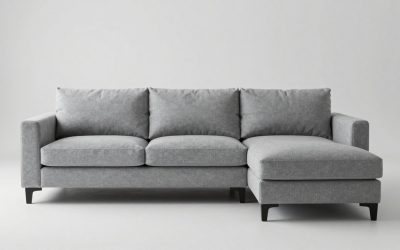
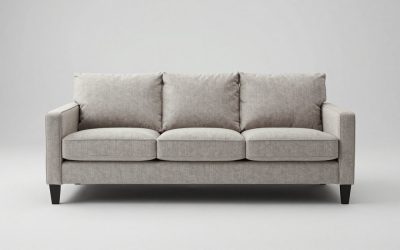
Key takeaways
- Heat of any kind. Dryer heat, hair dryers, irons, and steamers on foam or polyester fiber cause permanent damage.
- Washing inserts in water. Fiber mats and foam holds water for days; clean covers only.
- Overstuffing. Round, hard cushions look worse than slightly soft ones and stress seams.
- Adding fill without redistributing. New fiber on top of matted old fiber creates a lump layer.
- Ignoring the seat. Plumped backs slide down again if the deck under them still sags.
- Mixing fill types. Feather in a polyester cushion or vice versa clumps unevenly.
- Leaving cushions in full sun all day. UV fades fabric; 2 to 4 hours with flipping is enough.
Flat back cushions make an otherwise good sofa look ten years older than it is. The fix is usually simple, but the shortcuts people take cause more damage than the sag. Cramming in cheap polyester stuffing without redistributing what is already there creates lumps that never settle. Machine-washing a fiber-filled cushion insert on a normal cycle mats the fill into a solid disk. Running a hair dryer or iron over a cushion to “revive” the fiber melts polyester and glazes fabric. And ignoring the seat cushions and deck while fixing the backs means the backs slide down again within a week because the seat they rest on has sunk too. Natural methods, meaning sun, air, hand redistribution, and a modest amount of added fill, restore most back cushions in an afternoon for under $30.
What You Need
| Item | Why | Optional? |
|---|---|---|
| Sunny, dry day or a well-ventilated room with a fan | Warm dry air makes compressed fiber and foam expand | No |
| Vacuum with upholstery attachment | Removes dust and skin oils that weigh fibers down | No |
| Seam ripper or small scissors | Opens a fixed cushion’s inner seam to add or redistribute fill | Only for non-zippered inserts |
| Needle and heavy thread, or a curved upholstery needle | Closes the seam after adjusting fill | Only if you open a seam |
| Loose polyester cluster fiber or natural fill (kapok, wool batting), 1 to 2 pounds per cushion | Adds loft where fiber has permanently compressed | Recommended |
| Polyester or cotton batting, 1-inch thick, 1 yard | Wraps a foam back insert that has thinned | Yes |
| Cushion support board sized to the seat deck, about 21.5 by 70 inches | Firms a sunken seat so back cushions stop sliding down; boards run $33 to $34 | Yes, if seat deck sags |
| Tennis balls (2 to 3, clean) and a pillowcase | Fluffs fiber inserts in the dryer on air-only | Yes |
| Baking soda | Deodorizes inserts while they air | Yes |
Step-by-Step
1. Diagnose the cushion type (5 minutes)
Unzip a back cushion cover or feel through it. A soft, squishy cushion that has flattened unevenly is loose fiber fill, the most common type and the easiest to revive. A cushion with a defined block shape that has lost thickness is foam wrapped in batting; the foam has compressed and the batting has thinned. A very soft, heavy cushion that clumps is feather and down. If the cover has no zipper, the insert is sewn in, and you will work through the seam in step 6.
Our top picks


As an Amazon Associate we earn from qualifying purchases at no extra cost to you.
2. Vacuum and air out (30 minutes plus 2 to 4 hours outdoors)
Vacuum both sides of every back cushion with the upholstery tool to remove dust and hair, which add weight and flatten fiber. Take the inserts outside on a dry day and lay them on a clean sheet in the sun, or stand them on end in front of a fan indoors. Sprinkle a light dusting of baking soda on each and brush it off after an hour. Two to 4 hours of warm dry air lets compressed polyester recover 10 to 25 percent of its loft on its own and lets foam re-expand slightly. Do not leave dark fabric in direct sun for more than 4 hours; flip inserts every 45 minutes.
3. Knead and redistribute the fill (5 minutes per cushion)
Hold a fiber cushion by two corners and shake it hard 10 to 15 times, then work the fill by hand toward the areas that have gone thin, usually the center and the top edge where heads rest. Punch and knead as you would a pillow. Rotate the cushion and repeat. For feather and down, the same technique breaks up clumps. For wrapped foam, skip to step 5.
4. Tumble fiber inserts on air-only (20 to 30 minutes)
If the insert has a zippered cover and fits in your dryer, put it in with two or three clean tennis balls in a pillowcase and run an air-only or no-heat cycle for 20 to 30 minutes. The tumbling separates matted fibers and the balls beat air back into them. Never use heat; polyester fiber and the glue in some inserts degrade above about 140 degrees Fahrenheit. Cushions too big for the dryer get an extra 10 minutes of hand kneading instead.
5. Add fill where loft has been lost (15 minutes per cushion)
If the cushion is still thin after airing and tumbling, the fiber has permanently compressed and needs supplementing. Unzip the insert or the cover and add loose cluster fiber in handfuls, working it evenly from the corners toward the center and stopping when the cushion regains its original thickness with slight resistance to a squeeze. A typical 22-by-24-inch back cushion takes 12 to 20 ounces. For a foam back insert, wrap it in a new layer of 1-inch batting, tucking the ends, before returning it to the cover; this restores the 1 to 2 inches of thickness the old batting lost. Do not overstuff; a cushion packed hard loses its shape at the corners and pushes the sofa’s back panel.
6. Open and close a sewn-in insert if needed (20 minutes)
For cushions with no zipper, find the inner seam on the back or bottom edge where the stitching is straight and not decorative. Open 6 to 8 inches with a seam ripper, add or redistribute fill, then close with a ladder stitch using heavy thread and small stitches every 0.25 inch. A curved upholstery needle makes the closing easier. Work on the side that faces the sofa back so any imperfection is hidden.
7. Fix the seat so the backs stay up (10 minutes)
Back cushions sag partly because the seat cushions and deck under them have sunk, letting the backs slide down and fold forward. Lift the seat cushions and press the deck; if it gives more than 2 inches, the springs or webbing have softened. A rigid cushion support board, typically 21.5 by 70 inches and folding into sections, slides under the seat cushions and takes up that slack. Also flip and rotate the seat cushions if they are reversible. A firm seat is what holds a plumped back cushion in position.
8. Reassemble and shape (10 minutes)
Return each insert to its cover, zipper side down or toward the sofa back, and set the cushions in place. Chop the top edge with the side of your hand to create a crisp line, then push the lower third back into the seat corner so the cushion stands upright rather than leaning. Give the fill 24 hours to settle before judging; it will lose a little of the fresh puff and then hold.
Mistakes to Avoid
- Heat of any kind. Dryer heat, hair dryers, irons, and steamers on foam or polyester fiber cause permanent damage.
- Washing inserts in water. Fiber mats and foam holds water for days; clean covers only.
- Overstuffing. Round, hard cushions look worse than slightly soft ones and stress seams.
- Adding fill without redistributing. New fiber on top of matted old fiber creates a lump layer.
- Ignoring the seat. Plumped backs slide down again if the deck under them still sags.
- Mixing fill types. Feather in a polyester cushion or vice versa clumps unevenly.
- Leaving cushions in full sun all day. UV fades fabric; 2 to 4 hours with flipping is enough.
How Often
Fluff and rotate back cushions weekly, swapping positions so the seat everyone favors does not flatten first; this takes 2 minutes and doubles the time between deeper fixes. Air the inserts outdoors or in front of a fan every 3 to 4 months. Expect to add fill every 2 to 4 years for polyester fiber cushions and every 4 to 6 for feather and down. Wrapped foam back inserts typically need new batting every 3 to 5 years and new foam every 6 to 10, depending on density; 1.8-pound foam compresses noticeably faster than 2.5-pound foam. Check the seat deck yearly and add or replace a support board when it gives more than 2 inches.
When to Call a Pro or Replace
Call an upholsterer when back cushions are attached to the frame (tight-back sofas), since the fill sits behind the upholstery and requires opening the back panel; when the frame’s back rail has cracked and the cushions lean because the structure has; or when feather and down inserts have lost most of their fill and need proper re-ticking. Reworking attached back cushions typically runs $150 to $400. Replacing loose back inserts entirely with new fiber or foam-core inserts costs $25 to $60 each, which is sensible when the old fill smells or has broken down into dust in 2026-era budget sofas over 8 years old.
Replace the sofa when the seat deck springs have failed along with the cushions and the frame is engineered wood, or when the combined cost of new inserts, a support board, and professional work exceeds half the price of a comparable new sofa, typically $600 to $1,200. Sagging back cushions alone are almost never a reason to replace a sofa with a sound frame; they are one of the cheapest things on it to fix.
FAQ
Can I put sofa back cushions in the dryer?
Only the inserts, only if they are polyester fiber with a zippered inner cover, and only on an air-only or no-heat setting for 20 to 30 minutes with tennis balls. Heat melts fibers and glue. Foam inserts, feather inserts, and any cushion with a sewn-in fill should be fluffed by hand and aired instead.
What is the best natural fill to add to a flat back cushion?
Kapok, a plant fiber, is light and resilient and blends well with polyester cluster fiber. Wool batting adds loft and resists compression but is heavier. For most sofas, a polyester cluster fiber is the practical choice because it matches what is already inside; a 1-to-2-pound bag runs $10 to $20 and does two to four back cushions.
Why do my back cushions keep sliding down?
Because the seat cushions or the deck under them have sunk, leaving nothing for the back cushions to rest against. Flip and rotate the seat cushions, then press the deck; if it drops more than 2 inches, add a rigid support board under the seat cushions. Once the seat is firm, plumped back cushions stay upright.
How do I keep back cushions plump longer?
Fluff and rotate them weekly, keep pets off the sofa back, and do not let people sit on the back cushions or use them as a headrest while lying down, which compresses the top edge. Air them every few months and keep the seat firm. A well-maintained fiber back cushion holds its shape 3 to 5 years between refills instead of 1 to 2.