Key takeaways
- Using steam or a hot iron. Steam adds moisture, and a high iron setting scorches lacquer in seconds.
- Sanding a white ring. White rings are in the finish, not the wood; sanding cuts through and creates a bare patch.
- Abrasive kitchen cleaners. Scouring powders leave permanent scratches in the finish.
- Applying oil methods to a table with a worn or cracked finish. Oil soaks into bare wood and darkens it permanently.
- Bleaching a white ring. Oxalic acid is for black stains on bare wood only.
- Spot-polishing. A glossy 4-inch circle on a satin table looks worse than the ring. Wax the whole top.
- Waiting weeks. A white ring left for a month can migrate into the wood and become a black one.
A white ring from a sweating glass is the most common damage a wooden coffee table takes, and it is also the most often made worse by the fix. People reach for an abrasive cleaner or fine sandpaper and cut straight through the finish, turning a cloudy ring into a bare patch that needs a full refinish. Others use too much heat with an iron and scorch the lacquer, or apply oily home remedies that darken the surrounding wood. The key is diagnosing the stain first: a white or cloudy ring is moisture trapped in the finish and is easy to lift; a black or dark ring means water reached the wood itself and requires a different approach. Get the diagnosis right and most white rings come out in under 20 minutes.
What You Need
| Item | Why | Optional? |
|---|---|---|
| Clean cotton cloths (3 to 4, lint-free) | Applying and buffing without scratching | No |
| Household iron with steam turned off | Gentle heat drives trapped moisture out of the finish | No for white rings |
| Hair dryer | Lower-risk heat alternative for delicate finishes | Yes |
| Non-gel white toothpaste or baking soda | Mild abrasive for stubborn cloudiness in the finish | Yes |
| Petroleum jelly or mayonnaise | Oil displaces moisture from the finish overnight | Yes |
| Fine steel wool (0000 grade) and lemon oil | For rings that have etched the finish surface | Yes, advanced |
| Oxalic acid wood bleach | Only for black rings where water reached bare wood | Yes, advanced |
| Furniture wax or polish matching the finish | Restores sheen after any treatment | No |
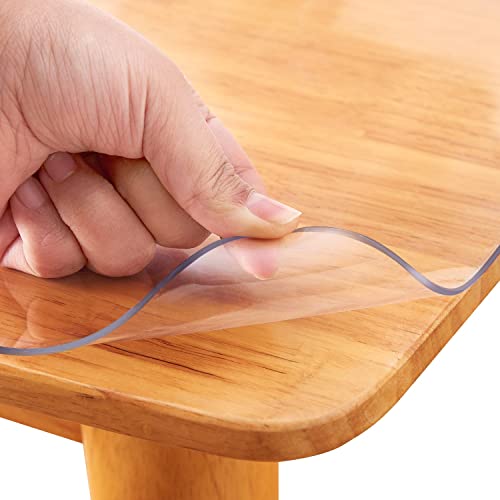
| Coasters and a clear protective table pad | Prevents the next ring; a 42-by-84-inch clear PVC protector runs about $59 and can be cut to size | Recommended |
Step-by-Step
1. Identify the stain and the finish (3 minutes)
White, gray, or cloudy rings are moisture in the finish layer. Dark brown or black rings are moisture that has penetrated to the wood, usually through a crack or a worn spot in the finish. Then check the finish: rub a drop of denatured alcohol on a hidden spot; if it softens, the finish is shellac. If lacquer thinner softens it, it is lacquer. If neither does, it is polyurethane or a conversion varnish. Shellac and lacquer respond to heat and oil methods; polyurethane responds to heat but can be stubborn. Oiled or waxed finishes on rustic tables, including many two-tier metal-framed tables in the $70 to $80 range, mark easily but are also the easiest to spot-repair with fresh oil.
Our top picks

As an Amazon Associate we earn from qualifying purchases at no extra cost to you.
2. Dry the surface and wait (24 hours if the stain is fresh)
Wipe up any standing water immediately with a dry cloth. If the ring is less than a day old, give it 24 hours in a warm, dry room before doing anything else. Fresh white rings often fade on their own as the moisture evaporates through the finish. Do not put anything on the spot during this time.
3. Try heat first (5 to 10 minutes)
Lay a clean, dry cotton cloth (a T-shirt works) over the ring. Set the iron to low, with steam off and the water tank empty. Press the iron on the cloth for 3 to 5 seconds, lift, and check. Repeat in short presses, moving the iron slightly each time, until the cloudiness fades. Never leave the iron in one place longer than 5 seconds and never use steam. A hair dryer on medium held 3 to 4 inches away and moved constantly for 5 to 10 minutes is the safer choice on antiques or thin finishes.
4. Use oil if heat stalls (8 to 12 hours, overnight)
Spread a thin layer of petroleum jelly or mayonnaise over the ring and leave it overnight. The oil migrates into the finish and displaces the trapped moisture. In the morning, wipe it off with a clean cloth and buff. This works best on lacquer and shellac and is slower on polyurethane; two nights may be needed.
5. Polish out stubborn cloudiness (10 minutes)
Put a pea-sized dab of non-gel white toothpaste or a paste of baking soda and a few drops of water on a soft cloth. Rub gently along the grain over the ring for 30 to 60 seconds, then wipe clean and check. The mild abrasive removes the outermost layer of clouded finish. Stop as soon as the ring is gone; overworking dulls the sheen and can cut through thin finishes. On a satin or matte finish, this may leave a slightly glossier spot that the wax in step 7 will blend.
6. Treat black rings separately (1 to 2 hours plus drying)
Dark stains require removing the finish over the spot, which means this is only for tables you are willing to touch up. Sand the finish off the stained area with 220-grit paper, mix oxalic acid wood bleach per the package (usually 1 ounce per cup of warm water), apply with a brush, let it sit until the black lifts (15 to 60 minutes), then neutralize with a solution of 2 tablespoons baking soda in a cup of water, rinse with a damp cloth, and let dry 24 hours. Re-stain if needed and apply two coats of matching finish. If this is more than you want to take on, skip to the professional section.
7. Restore the sheen (10 minutes)
Apply a thin coat of furniture wax or a polish formulated for the finish type over the whole top, not just the repaired spot. Let it haze for 5 to 10 minutes, then buff with a clean cloth along the grain. On oiled tables, wipe on a light coat of the original oil (teak, Danish, or tung oil) and wipe off the excess after 15 minutes. This evens the appearance and adds a moisture barrier.
8. Prevent the next ring (5 minutes)
Put coasters where people actually set drinks, which usually means one at each seat plus two in the middle. For tables that see heavy daily use or children, a clear table protector cut to the top dimensions keeps condensation, spills, and heat off the finish entirely. Wipe up water within a minute; most finishes resist damage for 5 to 10 minutes but not for an hour under a cold glass.
Mistakes to Avoid
- Using steam or a hot iron. Steam adds moisture, and a high iron setting scorches lacquer in seconds.
- Sanding a white ring. White rings are in the finish, not the wood; sanding cuts through and creates a bare patch.
- Abrasive kitchen cleaners. Scouring powders leave permanent scratches in the finish.
- Applying oil methods to a table with a worn or cracked finish. Oil soaks into bare wood and darkens it permanently.
- Bleaching a white ring. Oxalic acid is for black stains on bare wood only.
- Spot-polishing. A glossy 4-inch circle on a satin table looks worse than the ring. Wax the whole top.
- Waiting weeks. A white ring left for a month can migrate into the wood and become a black one.
How Often
Dust a wooden coffee table twice a week with a dry or barely damp microfiber cloth, following the grain. Wax or polish every 3 to 6 months for lacquer and polyurethane finishes; re-oil oiled tables every 2 to 4 months or whenever the surface looks dry and pale. Inspect the top monthly under a strong light for early cloudiness, which is far easier to fix than a set ring. In 2026 most furniture waxes and polishes are silicone-free and can be reapplied indefinitely; avoid spray polishes with silicone, which build up and complicate future refinishing.
When to Call a Pro or Replace
Call a furniture refinisher when the ring is black and the table is an antique or has a high-gloss finish that will be hard to match; when heat, oil, and polishing have not lifted a white ring after three attempts (the finish may be crazed and need recoating); when the finish is cracked or peeling around the stain; or when the table has veneer that is lifting, since sanding veneer is a fast way to go through it. A professional spot repair on a coffee table typically costs $75 to $200; a full top refinish runs $200 to $500 depending on size and finish.
Replace when the table is engineered wood with a printed laminate or paper veneer, which cannot be sanded or refinished at all and is common on tables under $100. If water has swollen a particleboard top, the bubble is permanent. For a table in that price class, a new one costs less than any professional repair, and this time a protector or coasters from day one will keep it looking new.
FAQ
Does mayonnaise really remove water rings from wood?
Yes, on white rings in lacquer or shellac finishes. The oil in the mayonnaise seeps into the finish overnight and displaces the trapped moisture that causes the cloudiness. It is slower on polyurethane and does nothing for black stains. Wipe it off thoroughly and buff, and do not use it on tables with worn or cracked finishes where oil could reach bare wood.
How do I get a white ring off a matte or satin table without making it shiny?
Start with heat, which does not change the sheen. If you need the toothpaste or baking soda method, use the lightest possible pressure for no more than 30 seconds at a time. Afterward, apply a matte or satin furniture wax to the entire top to unify the finish. If a glossy spot remains, a very light pass with 0000 steel wool along the grain will knock down the sheen.
Can I fix a water stain on an oiled or waxed wood table?
Usually, and more easily than on film finishes. Rub the ring lightly with 0000 steel wool and a few drops of lemon oil or the table’s original oil, along the grain, until the mark blends. Wipe clean, then apply a fresh coat of oil to the entire top and wipe off the excess after 15 minutes. Because oil finishes penetrate rather than sit on top, they blend spot repairs invisibly.
Why did a white ring turn black over time?
The moisture worked through a thin or cracked spot in the finish and reached the wood, where it reacted with tannins and, in some cases, iron from the water. Black rings are wood stains, not finish stains, and need the finish removed and the wood bleached with oxalic acid. Catching a white ring within a few days prevents this progression.