Key takeaways
- Water-safe (W or S/W): Blot spills immediately, then use a mild soap-and-water solution or upholstery cleaner, working gently and drying thoroughly to avoid rings.
- Solvent-only (S): Use rubbing alcohol in a spray bottle, misting lightly and blotting with a white cloth, which lifts stains without the water rings microfiber is prone to.
- Always test first: Try any cleaner on a hidden area before treating a visible stain to confirm it will not discolor the fabric.
A microfiber sofa is one of the most practical pieces of furniture you can own, prized for its soft feel, durability, and stain resistance. But microfiber still needs regular care to stay looking its best, and using the wrong cleaning method can leave water rings or damage the plush surface. Knowing the right techniques keeps your couch fresh, cozy, and inviting for years.
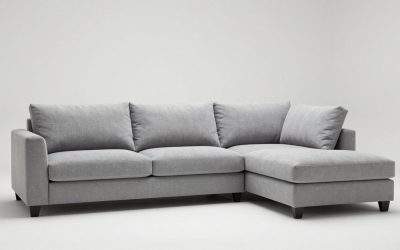
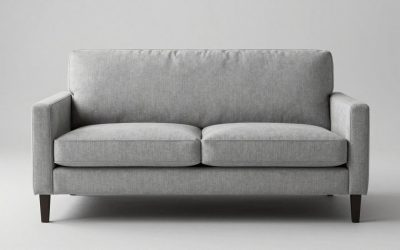
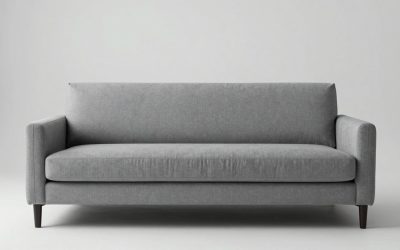
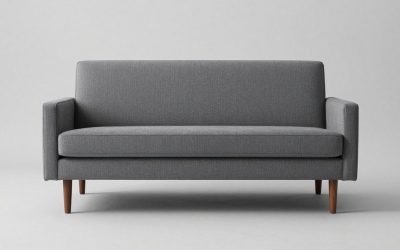
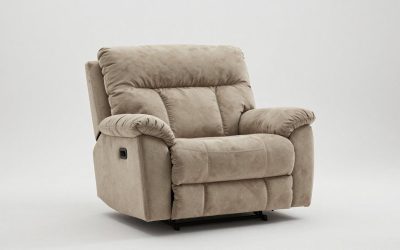
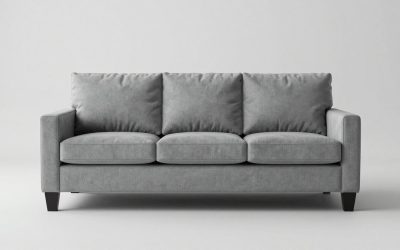
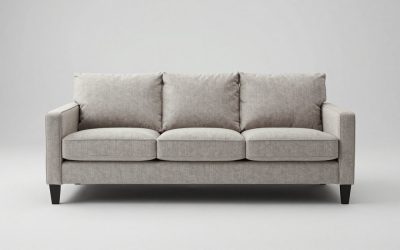
This guide covers everything you need to clean and maintain a microfiber sofa properly, from routine vacuuming to tackling tough stains and reviving a matted nap. Whether you own a plush microfiber recliner like the EBELLO 3-Seat or a transitional Studio Living Harrington sofa, these methods and the right tools, including handy gap-cleaning dusters, will keep your investment looking new.
Our top picks


As an Amazon Associate we earn from qualifying purchases at no extra cost to you.
⚡ Save on Your Next PC — Amazon Prime
Prime members get fast free shipping on the systems above, plus early access to Prime Day & Black Friday PC deals. New members get a 30-day free trial.
Watch: How to Clean and Maintain Your Microfiber Sofa — Video Review
Understand Your Microfiber Cleaning Code
Before you clean, check the tag for a cleaning code, usually found under a cushion. “W” means you can use water-based cleaners, “S” means solvent-based cleaners only (no water), “S/W” allows both, and “X” means vacuum only. Using water on an “S” coded microfiber can cause rings and damage, so this small step prevents big mistakes and guides every method below.
Routine Vacuuming and Dusting
Regular maintenance is the easiest way to keep microfiber looking fresh. Vacuum weekly with an upholstery attachment to remove crumbs, dust, and pet hair before they work into the fibers. For the tight gaps between cushions and beneath the sofa, a retractable gap-cleaning duster reaches where the vacuum cannot, capturing the dust that accumulates in hard-to-see crevices and under the frame.
Removing Stains Safely
- Water-safe (W or S/W): Blot spills immediately, then use a mild soap-and-water solution or upholstery cleaner, working gently and drying thoroughly to avoid rings.
- Solvent-only (S): Use rubbing alcohol in a spray bottle, misting lightly and blotting with a white cloth, which lifts stains without the water rings microfiber is prone to.
- Always test first: Try any cleaner on a hidden area before treating a visible stain to confirm it will not discolor the fabric.
Reviving the Soft Nap
Microfiber can look matted or stiff after cleaning, but the plush texture is easy to restore. Once the fabric is fully dry, brush the surface in circular motions with a soft-bristle brush or a clean, dry sponge. This lifts and separates the fibers, bringing back the soft, uniform nap that makes microfiber so pleasant to sit on.
Protecting Leather and Mixed-Material Sofas
Some sofas pair microfiber with leather accents or have leather recliner sections, and those areas need different care. A leather cleaner and conditioner, like a 3-in-1 spray or leather wipes, keeps leather portions supple and prevents cracking. Never use leather products on the microfiber itself, and keep the two cleaning routines separate to protect each material properly.
Tips
- Act fast on spills: Blot immediately rather than rubbing, which pushes stains deeper into the fibers and makes them harder to remove.
- Rotate cushions: Flip and rotate cushions regularly so wear and compression spread evenly across the sofa.
- Keep it dry: When using any liquid cleaner, dry the area thoroughly to prevent water rings and mildew in the padding.
- Clean gaps often: Use a gap duster or vacuum crevice tool to clear crumbs and dust from between and under cushions before they attract pests.
Frequently Asked Questions
Can I use water on a microfiber sofa?
Only if the cleaning code is W or S/W. If the tag reads S, water can cause rings and damage, so use a solvent-based cleaner like rubbing alcohol instead. Always check the code first.
How do I get stains out of microfiber?
Blot immediately, then treat according to your cleaning code, mild soap and water for water-safe fabrics or rubbing alcohol for solvent-only ones. Test on a hidden spot first and dry thoroughly to avoid rings.
Why does my microfiber look matted after cleaning?
Cleaning can flatten the nap, but it is easy to fix. Once dry, brush the surface in circular motions with a soft brush or dry sponge to lift and restore the plush, soft texture.
How often should I clean a microfiber sofa?
Vacuum weekly to remove dust and debris, and spot clean spills as they happen. A deeper cleaning every few months keeps the fabric fresh, and regular gap dusting prevents crumbs from building up.
Conclusion
Caring for a microfiber sofa is simple once you know the rules: check the cleaning code, vacuum regularly, treat stains with the right cleaner, and brush the nap back to life afterward. With a gap duster for the crevices and separate care for any leather accents, your microfiber couch will stay soft, clean, and inviting for many years of comfortable use.