Our Top Picks
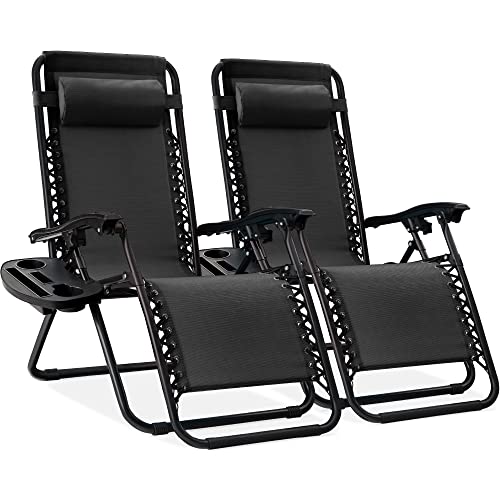 Best Choice Products Zero Gravity Chair ReclinerStandard38 x 9.5 x 26 Inches32.6 poundsCheck on Amazon
A zero gravity chair set of 2 is worth buying when you have about 6 by 6 feet of level patio or deck space and want matching loungers that fold flat for storage; the deciding specs are seat width, weight capacity, the locking mechanism and the fabric. Sets usually cost $90 to $250 for standard steel-frame models and $250 to $600 for oversized, padded or aluminum versions. Below are the measurements, materials and durability points that separate a set that lasts several seasons from one that sags after the first summer.
What “Zero Gravity” Means for the Chair
The name refers to a reclined position where your legs are raised to roughly heart level and your hips and knees are bent at similar angles, spreading weight along the back and thighs. In a typical folding zero gravity chair, you push back and the seat and leg rest pivot together on side rails, then you lock the position with a knob or lever. Most chairs recline from upright (about 110 degrees) to nearly flat (about 160 to 170 degrees) and can lock anywhere in between.

Sweetcrispy Zero Gravity Chairs Set of 2, Outdoor Folding Reclining Lounge Chair with Cup Holder Tray & Adjustable Pillow, Portable Camping Beach Patio Poolside Lawn Yard Chair, Classic Blue
Chosen because it specifies Portable Camping Beach Patio Poolside Lawn Yard Chair and Classic Blue.
View on AmazonBest Choice Products Zero Gravity Chair Recliner, Black | Set of 2 w/ Pillows and Cup Holder Trays, Foldable Lounge Chair with Adjustable Reclining Positions for Patios Decks Porches
Chosen because it specifies Black and Set of 2 w/ Pillows and Cup Holder Trays.
View on Amazon
Sweetcrispy Zero Gravity Chairs Set of 2, Outdoor Folding Patio Lounge Chair with Cup Holder Tray, Portable Beach Camping Recliner for Poolside, Garden, Backyard, Lawn, Solid Black
Chosen because it specifies Outdoor Folding Patio Lounge Chair with Cup Holder Tray and Portable Beach Camping Recliner for Poolside.
View on Amazon
Nazhura Set of 2 Relaxing Recliners Patio Chairs Adjustable Steel Mesh Zero Gravity Lounge Chair Beach Chairs with Pillow and Cup Holder Black
Picked as a relevant option in this category.
View on AmazonSpace Needed for Two Chairs
Floor space is the most overlooked number. A chair that folds to 6 inches thick takes a lot more room once fully reclined.
| Position | Length per chair | Width per chair | Footprint for 2 side by side (with 12 in gap) |
|---|---|---|---|
| Upright | 34 – 40 in | 25 – 28 in | About 62 – 68 in wide x 40 in deep |
| Fully reclined | 62 – 70 in | 25 – 28 in | About 62 – 68 in wide x 70 in deep |
| Oversized model, reclined | 68 – 76 in | 29 – 33 in | About 70 – 78 in wide x 76 in deep |
| Folded flat | 36 – 44 in tall | 25 – 30 in | Two stack about 12 – 16 in thick |
Add a side table between the chairs and you need another 15 to 20 inches of width. On a typical 8 by 10 foot balcony or small deck, a pair of reclined chairs plus a small table fits, but leaves little room for a walkway.
Specs That Matter Most
Weight capacity
Standard chairs are typically rated for 250 to 300 pounds. Oversized or heavy-duty versions with thicker tubing and extra cross braces are commonly rated for 350 to 500 pounds. The rating reflects static load; dropping into the chair or rocking at full recline puts more stress on the joints, so leave a margin.
Seat width
Standard seats measure about 19 to 21 inches between the armrests. Oversized models run 22 to 26 inches, which is noticeably roomier for broad shoulders or for people who like to shift sideways. If you are buying a set for two different-sized people, consider whether both chairs need to be the oversized version.
Seat height
Most sit 15 to 18 inches off the ground upright. Lower chairs are harder to get out of; if knees or hips are a concern, look for a seat height near 18 inches and sturdy armrests to push up from.
Locking mechanism
Older designs use a twist knob on each side that clamps the rail; it works but can loosen and needs a firm twist. Many newer chairs use a lever or a self-locking bungee design that holds position when you stop pushing. The knob design is simpler with fewer parts to break, while lever locks are easier for people with weak grip.
Frame and Fabric Trade-Offs
| Component | Option | Strengths | Weaknesses |
|---|---|---|---|
| Frame | Powder-coated steel | Strong, inexpensive | Rusts where coating chips; 15 – 20 lb per chair |
| Frame | Aluminum | Rust-resistant, 10 – 14 lb per chair | Costs more; thinner tubes can bend if overloaded |
| Seat | Textilene (PVC-coated polyester mesh) | Dries fast, breathable, UV resistant | Can feel firm without a pillow |
| Seat | Padded polyester cushion | Softer for long lounging | Holds water, fades faster, needs storing in rain |
| Suspension | Bungee cords | Replaceable, gives a hammock-like feel | Stretches and loosens within 1 – 3 seasons in sun |
| Suspension | Fabric laced or fixed to frame | Firmer, fewer parts | Harder to repair if it tears |
For a chair that stays outside most of the season, aluminum frame plus textilene is the lowest-maintenance combination. For a covered porch, a padded steel model gives more comfort at a lower price.
Durability: What Wears First
- Bungee cords: UV exposure makes them sag or snap. Replacement cord kits are inexpensive and easy to fit, so check that the chair uses standard cords rather than a fixed design.
- Plastic armrests and joints: molded plastic caps and pivot pieces crack after a few summers of sun. Chairs with metal pivot brackets last longer.
- Locking knobs: threads wear and the clamp slips under load. Tighten firmly but do not overtighten, which strips the threads.
- Headrest pillows: usually the first thing to fade or tear, held with elastic straps that loosen.
- Feet: plastic foot caps wear on concrete; once gone, steel tubing scratches decks and starts to rust from the inside.
Choosing by Situation
| Situation | What to prioritize |
|---|---|
| Small balcony or apartment | Standard width, folds under 6 in thick, light aluminum |
| Poolside, chairs get wet often | Textilene sling, aluminum or well-coated steel frame |
| Larger or taller users | Oversized seat 22 in plus, 350 – 500 lb rating, longer leg rest |
| Back or knee concerns getting up | Seat height near 18 in, solid armrests, lever lock |
| Camping and beach trips | Lightweight frame, carry strap, compact fold |
| Covered porch, long reading sessions | Padded seat, cup holder tray, adjustable headrest |
Brands and Common Set Extras
Long-standing names in this category include Caravan Sports, known for its Infinity Zero Gravity chair, and Timber Ridge, which makes padded and oversized versions; many other sellers offer similar steel-frame sets under their own names. Sets often include clip-on cup holder trays, removable headrest pillows and sometimes a small side table. A detachable tray that holds a phone and a drink is genuinely useful, since there is no flat surface on the chair itself.
Care and Storage
Fold and store the chairs in a shed, garage or under a cover during long rainy spells and winter. Wipe textilene with mild soap and water; avoid bleach, which weakens the coating. Check bolts and the lock mechanism at the start of each season, and touch up chips on steel frames with a matching rust-preventing paint before rust spreads. Stored properly, a mid-range set typically lasts three to five seasons, with cords and pillows replaced along the way.