A TV stand with a fire pit works outdoors only when the fire is a low gas fire table or a fire pit set well away from the screen, and the TV sits on a weather-rated stand or cabinet out of the smoke and heat path; indoors, the “fire pit” look comes from an electric-flame insert built into a media console, not a real flame. Since most people searching this phrase are planning a patio or backyard viewing area, this guide focuses on how to combine an outdoor TV stand and a fire feature safely, with the distances that make it work.
Indoor vs Outdoor: Two Very Different Products
| Setup | What the “fire” is | Heat output | Where it belongs | Typical cost |
|---|---|---|---|---|
| Electric fireplace TV stand | LED flame effect plus optional fan heater | Up to about 5,000 BTU (1,500 W) when the heater is on; zero with flame-only | Indoors, living rooms and bedrooms | $200–$900 |
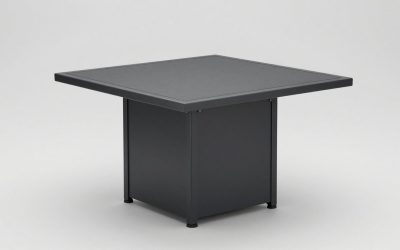
| Outdoor TV cabinet + gas fire table | Propane or natural gas burner | Usually 30,000–65,000 BTU | Patios, covered porches with good ventilation | $800–$4,000 combined |
| Outdoor TV + wood-burning fire pit | Open wood fire | Highly variable, sparks and smoke | Open yards only, far from the screen | $150–$1,500 for the pit, plus TV setup |
An all-in-one piece of furniture that holds a TV directly above a real open flame is not a safe design, and reputable outdoor brands do not sell one. The working solution is two pieces of furniture arranged correctly.
Distances That Keep Both the TV and the Guests Safe
These are common planning figures. Your fire pit’s installation manual and local fire code take priority, and many towns set their own minimum distances for wood fires.
| Clearance | Gas fire table | Wood-burning fire pit |
|---|---|---|
| Fire edge to TV screen | 8–10 ft or more | 15–20 ft or more, upwind of the screen |
| Fire to house wall, fence or stand | Per manufacturer, often 3–5 ft sides | Commonly 10–25 ft depending on local rules |
| Overhead clearance (pergola, roof, umbrella) | Often 7–10 ft minimum, open sides | No roof or overhang above |
| Seat edge to fire edge | 18–24 in. for fire tables you rest drinks on | About 3–4 ft |
| Walkway around the fire | 30–36 in. | 36 in. |
Layouts That Work
Layout 1: Fire table in front of the seating, TV beyond it
This is the most popular arrangement. A sofa or sectional faces the TV, and a low rectangular gas fire table sits where a coffee table would go. The key number is height: a fire table that is 12 to 16 inches tall keeps flames below eye level, so the view is clear if the TV center is mounted or placed at about 40 to 48 inches. A 24-inch-tall “chat height” fire table works too, but the flames may flicker across the lower part of the screen from a low lounge seat.
For a 55-inch TV, a viewing distance of roughly 7 to 9 feet is comfortable; for 65 inches, about 8 to 11 feet. With a 10-foot sofa-to-TV distance, a fire table centered between them leaves roughly 4 to 5 feet between flame and screen, which is too close; push the fire table toward the seating side so the gap to the TV grows to about 8 feet, and use a smaller burner.
Layout 2: Fire pit to the side, TV zone separate
For wood fires, give each its own zone. Put the TV on a covered patio wall or weatherproof cabinet, and place the fire pit circle 15 to 20 feet away, off to one side and downwind. Chairs can swivel or move between zones. This avoids smoke residue on the screen and spark risk to the stand.
Layout 3: Covered patio TV, fire outside the roofline
If the TV is under a roof, keep any fire feature outside the roofline in open air. Gas fire tables under partial covers are allowed by some manufacturers, but they specify minimum ceiling heights and open sides; read that section before buying.
Choosing the Outdoor TV Stand or Cabinet
The furniture holding the TV matters as much as the fire. Look for:
- Materials: powder-coated aluminum, marine-grade polymer (HDPE) or teak. Avoid indoor MDF and particleboard, which swell and delaminate after a few damp weeks.
- Enclosure: if the TV is not weather-rated, a lockable outdoor TV cabinet with a ventilated back protects it from rain and dust. Many are sized for 55- to 65-inch screens.
- Weight capacity: a 65-inch outdoor TV can weigh 50–80 lb, heavier than an indoor set of the same size. Check stand ratings with a margin.
- Width: the stand should be a few inches wider than the TV base, and wide enough for a soundbar if you use one.
- Anchoring: outdoor stands should be anchored to the wall or deck so wind cannot tip a top-heavy screen.
The TV Itself
An indoor TV used outside struggles with glare, humidity and temperature swings. Purpose-built outdoor TVs, such as Samsung’s The Terrace, SunBriteTV models and Furrion Aurora sets, are sealed against moisture and have brighter panels for daylight. They cost noticeably more, often from about $1,500 upward for 55 inches. If you go with an indoor TV, keep it fully under cover, inside a cabinet when not in use, and well away from fire heat.
Heat, Smoke and Wiring Realities
- Smoke film: wood smoke leaves a greasy film on screens and speaker grilles over a season. Gas is far cleaner.
- Radiant heat: a large gas burner at 50,000+ BTU can warm surfaces several feet away. Never let the TV stand sit within that radius.
- Power: outdoor TVs should run on a GFCI-protected outdoor outlet with an in-use (bubble) cover. Keep cords away from the fire area entirely.
- Gas lines: natural gas fire tables generally need a licensed installer for the line; propane models hide a 20-lb tank in the base.
Quick Decision Guide
| If you want… | Choose |
|---|---|
| Flame ambiance indoors while watching TV | Electric fireplace TV stand |
| Movie nights and warmth on one patio | Outdoor TV cabinet + low gas fire table, 8+ ft apart |
| Real wood fires and a TV | Two separate zones, 15–20+ ft apart |
| Small balcony | Skip open flame; many buildings ban it. Consider flameless LED lanterns for the glow |
Set up this way, the TV stand and the fire each do their job, and neither one damages the other.