Key takeaways
- Base compatibility: Check your fan’s socket before anything else. Most modern fans use E26 medium or E12 candelabra bases—buying the wrong one means a return trip you didn’t plan for.
- Bulb shape and size: Ceiling fan light kits have tight glass shades. A15 and B11 candle shapes fit most housings, while standard A19 bulbs often stick out past the shade or rattle inside it.
- Color temperature: 2700K gives you that warm incandescent glow for bedrooms and living rooms. 4000K works well in kitchens and offices. 5000K is clinical daylight—great for task areas, overwhelming for relaxing spaces.
- Dimmability: Not all LED ceiling fan bulbs play nice with dimmer switches. If you’ve already wired a dimmer, confirm the bulb explicitly supports it or you’ll get flickering and buzzing.
- Color rendering (CRI): A CRI above 85 means skin tones, furniture, and wall colors look accurate rather than washed out. It’s the difference between a room that feels alive and one that feels flat.
What's inside
Finding the right light bulbs for ceiling fans is deceptively tricky. Most people grab whatever’s cheapest at the hardware store, only to realize the bulb is too wide for the fixture, too harsh for the room, or completely incompatible with a dimmer switch they already have wired in. Ceiling fans demand specific attention to bulb base type, physical dimensions, and color temperature—details that matter more in a fan housing than in any other fixture in the house.
This guide covers six top-rated options across the most common ceiling fan socket types, from standard E26 medium bases to the smaller E12 candelabra bases that show up in transitional and traditional fan designs. Whether you need daylight brightness for a kitchen fan or warm ambiance for a bedroom, these picks prioritize fit, light quality, and longevity so you can swap once and forget about it.
As an Amazon Associate we earn from qualifying purchases.


🛒 Best Price Today on Amazon
Prime members get fast, free shipping on everything above, plus member-only deals. New members get a 30-day free trial — cancel anytime.
How to Choose Light Bulbs For Ceiling Fans (2026)
- Base compatibility: Check your fan’s socket before anything else. Most modern fans use E26 medium or E12 candelabra bases—buying the wrong one means a return trip you didn’t plan for.
- Bulb shape and size: Ceiling fan light kits have tight glass shades. A15 and B11 candle shapes fit most housings, while standard A19 bulbs often stick out past the shade or rattle inside it.
- Color temperature: 2700K gives you that warm incandescent glow for bedrooms and living rooms. 4000K works well in kitchens and offices. 5000K is clinical daylight—great for task areas, overwhelming for relaxing spaces.
- Dimmability: Not all LED ceiling fan bulbs play nice with dimmer switches. If you’ve already wired a dimmer, confirm the bulb explicitly supports it or you’ll get flickering and buzzing.
- Color rendering (CRI): A CRI above 85 means skin tones, furniture, and wall colors look accurate rather than washed out. It’s the difference between a room that feels alive and one that feels flat.
The Best Light Bulbs For Ceiling Fans (2026) Reviewed
DAYBETTER BR30 LED Flood Light
This 12-pack of BR30 floods is a solid pick for fans installed in recessed can-style housings. The 5000K daylight output and dimmable design make it surprisingly versatile—bright enough for a home gym fan, smooth enough on a dimmer for evening living room use. At 800 lumens per bulb, they push more light than most competitors in this roundup.
comzler E12 LED Candelabra Bulb
If your fan takes small candelabra sockets, this 6-pack delivers warm 2700K light at a price that doesn’t sting. The B11 candle shape fits neatly inside frosted and clear shades alike, and the 85+ CRI keeps the color quality honest. They’re not dimmable, but for a bedroom or hallway fan running at full brightness, they do the job without fuss.
GvvooHome E12 Candelabra Dimmable
Standing out with a 90+ CRI rating, these dimmable E12 bulbs render color better than almost anything else in the candelabra category. The 4000K neutral white splits the difference between warm and cool—ideal for a fan that lives in a multi-use space like an open-plan kitchen and dining area. At 600 lumens, they’re plenty bright for most fan light kits.
ALAMPEVER G16.5 LED Globe
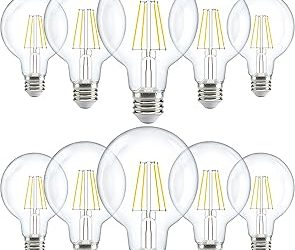
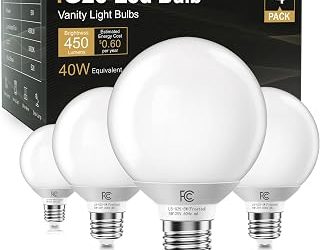
The globe shape gives these a decorative edge that works beautifully in exposed-fan-socket fixtures and vanity setups. They’re dimmable, hit a comfortable 2700K warmth, and the compact G16.5 form factor slides into tight glass bowls without the awkward overhang you get with larger bulbs. A thoughtful choice for style-conscious buyers.
A15 LED E26 Daylight
A no-nonsense 6-pack of A15 daylight bulbs with a standard E26 base—they fit the widest range of ceiling fans on the market. At 5000K, these lean hard into task lighting, making them a smart match for fans in garages, laundry rooms, or kitchens where visibility matters more than mood. Non-dimmable, but rock-solid at full output.
Frequently Asked Questions
Can I use a regular A19 bulb in my ceiling fan?
Physically, sometimes yes, but it’s not recommended. A19 bulbs are wider and taller than what most fan light kits were designed for. They can protrude past the shade, create uneven light distribution, and in some cases make contact with the glass, creating a heat risk. Stick to A15, B11, or BR30 shapes depending on your fixture.
What color temperature is best for a bedroom ceiling fan?
2700K is the go-to for bedrooms. It mimics the warm cast of traditional incandescent bulbs and helps signal to your brain that it’s time to wind down. If your fan doubles as a reading light and you need more brightness, 3000K is a comfortable compromise that doesn’t feel clinical.
Why do my new LED ceiling fan bulbs flicker on a dimmer?
Most dimmer switches were designed for incandescent loads. LEDs draw far less wattage, and older dimmers can’t regulate the current smoothly at low levels. You’ll either need a dimmer rated for LED compatibility or bulbs explicitly designed for your specific dimmer model. Mixing the two mismatches is the most common cause of flicker.
How long do LED ceiling fan bulbs actually last?
Quality LED bulbs like the ones in this roundup are typically rated for 15,000 to 25,000 hours. In a bedroom fan running six hours a day, that translates to roughly seven to eleven years before replacement. Heat inside enclosed fan fixtures can shorten that span, so choosing bulbs rated for enclosed use is worth the extra attention.
Final Thoughts
For most ceiling fan owners, the GvvooHome E12 Dimmable bulbs hit the sweet spot of color accuracy, warmth, and dimmer compatibility. If you need maximum brightness in a larger fixture, the DAYBETTER BR30 floods deliver serious output. And for budget shoppers who just need reliable candelabra replacements, the comzler E12 pack is hard to beat at its price point. Match the base to your socket, pick the color temperature that fits your room, and you’ll be set for years.