Key takeaways
- Base type: Check whether your fan fixture uses a standard E26 medium screw base or a smaller E12 candelabra base before buying — the two are not interchangeable, and buying the wrong one means an unusable bulb.
- Color temperature: Daylight (5000K) works well for kitchens and workspaces where clarity matters; soft white (3000K) and warm white (2500K) create a relaxed atmosphere suited to bedrooms and living areas.
- Dimmability: If your fan has a wall dimmer or pull-chain dimmer, you need dimmable-rated bulbs — pairing non-dimmable LEDs with a dimmer circuit causes flickering and shortens bulb lifespan.
- Lumens and wattage equivalence: A 600-lumen output roughly matches a traditional 60W incandescent. For a ceiling fan with two to four bulbs, this per-bulb brightness keeps rooms well-lit without overpowering the space.
- CRI and color quality: Look for a Color Rendering Index of 85 or higher for LED options; this means skin tones, furniture, and paint colors will look natural rather than washed out or unnaturally tinted under the light.
What's inside
If you’ve ever stood on a chair, twisted a tiny bulb into your ceiling fan housing, and then squinted up at a harsh blue glare or a dim, yellowish flicker, you already know the frustration. Ceiling fans use smaller form-factor bulbs — typically A15 or B10 shapes — with either standard E26 or candelabra E12 bases, and finding the right combination of brightness, color temperature, and dimming capability in that compact size is harder than it should be.
This guide breaks down six strong options spanning daylight, soft white, and warm white finishes, with both LED and traditional incandescent picks. Whether your fan fixture has a standard screw socket or a narrow candelabra base, and whether you want sharp task lighting or a cozy amber glow for evening hours, there’s a match here. Below the product cards, you’ll find a quick-reference buying guide and answers to the most common questions ceiling fan shoppers ask in 2026.
As an Amazon Associate we earn from qualifying purchases.


🛒 Best Price Today on Amazon
Prime members get fast, free shipping on everything above, plus member-only deals. New members get a 30-day free trial — cancel anytime.
How to Choose a Light Bulb For Ceiling Fan (2026)
- Base type: Check whether your fan fixture uses a standard E26 medium screw base or a smaller E12 candelabra base before buying — the two are not interchangeable, and buying the wrong one means an unusable bulb.
- Color temperature: Daylight (5000K) works well for kitchens and workspaces where clarity matters; soft white (3000K) and warm white (2500K) create a relaxed atmosphere suited to bedrooms and living areas.
- Dimmability: If your fan has a wall dimmer or pull-chain dimmer, you need dimmable-rated bulbs — pairing non-dimmable LEDs with a dimmer circuit causes flickering and shortens bulb lifespan.
- Lumens and wattage equivalence: A 600-lumen output roughly matches a traditional 60W incandescent. For a ceiling fan with two to four bulbs, this per-bulb brightness keeps rooms well-lit without overpowering the space.
- CRI and color quality: Look for a Color Rendering Index of 85 or higher for LED options; this means skin tones, furniture, and paint colors will look natural rather than washed out or unnaturally tinted under the light.
The Best Light Bulb For Ceiling Fan (2026)s Reviewed
A15 LED E26 Daylight 5000K (6-Pack)
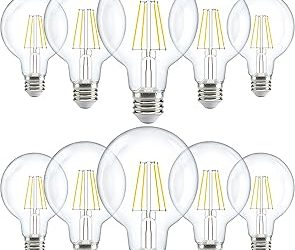
A dependable daylight LED with a standard E26 base and 600-lumen output at just 6W. The 5000K color temperature gives rooms a clean, energizing brightness that works especially well in kitchens, home offices, and garages where you need sharp visibility. Non-dimmable, so pair it only with straightforward on/off switching.
Cotanic E26 LED Natural Daylight 4000K (6-Pack)
The Cotanic bulbs sit in a middle ground at 4000K — noticeably cooler than soft white but less clinical than full daylight. That neutral tone flatters a wider range of room styles, making these a solid all-arounder for fans in hallways, dining areas, or open-plan living spaces. CRI 85+ keeps colors looking honest.
E12 Candelabra LED Daylight 5000K (6-Pack)
If your ceiling fan uses candelabra sockets, this is one of the better LED options available. You still get the full 600 lumens and a crisp 5000K daylight output, which is unusual in the E12 form factor where many bulbs top out at 400 lumens. Eye-friendly CRI 85+ rounds out a well-built bulb for fans and chandeliers alike.
A15 LED Soft White 3000K Dimmable E26 (6-Pack)
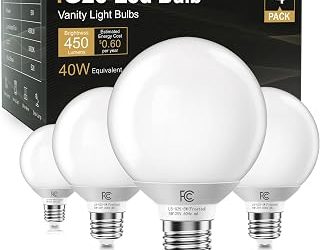
This is the pick for anyone who wants full dimming control. The 3000K soft white tone casts a warm but not overly amber light that feels inviting in bedrooms and family rooms, and the dimmable circuitry works smoothly with most standard dimmer switches. At 6.5W per bulb, it draws slightly more power than the non-dimmable alternatives but delivers a noticeably richer glow.
MEQIQTEK E12 Incandescent Warm White 2500K (12-Pack)
For those who prefer the warm, golden quality of real incandescent light over any LED approximation, this 12-pack of B10 clear candelabra bulbs delivers a rich 2500K warmth with full dimming capability. At 600 lumens per bulb, they match the brightness of LEDs while offering the instant-on, flicker-free dimming curve that incandescent filaments provide naturally.
Frequently Asked Questions
What size bulb does a ceiling fan typically use?
Most ceiling fans accept A15-shaped bulbs, which are smaller than standard A19 household bulbs. The base is usually E26 (medium screw) or E12 (candelabra), depending on the fixture design. Always check your fan’s manual or look at the existing bulb to confirm before ordering.
Can I use a 60W equivalent LED in my ceiling fan?
Yes, as long as the bulb fits the physical socket and the fixture’s maximum wattage rating is not exceeded. A 6W LED producing 600 lumens is a standard 60W-equivalent option that fits most ceiling fan housings without heat concerns.
Are dimmable bulbs necessary for a ceiling fan?
Only if your fan is wired to a dimmer switch or has a built-in dimming function. Installing non-dimmable LEDs on a dimmer circuit will result in flickering, buzzing, and premature failure. If you use a simple on/off wall switch, non-dimmable bulbs work perfectly fine.
Which color temperature is best for a bedroom ceiling fan?
Most people find 2700K to 3000K most comfortable for bedrooms. These warmer tones promote relaxation and don’t interfere with your body’s natural wind-down routine the way cooler 5000K daylight bulbs can. A dimmable soft white option gives you the most flexibility for transitioning from daytime tasks to evening rest.
Final Thoughts
For the widest range of buyers, the Cotanic 4000K E26 and the dimmable A15 3000K Soft White stand out as the two most versatile picks — one delivering neutral clarity, the other warm adjustable ambiance. If you need candelabra-base daylight LEDs, the E12 5000K pack is hard to beat. And for purists who want that unmistakable incandescent warmth with smooth dimming, the MEQIQTEK B10 2500K remains the gold standard.