Key takeaways
- Room size: Choose the blade span according to the space. A 52-inch fan suits many bedrooms and living rooms, while a 60-inch model is better for larger rooms, porches, and open areas.
- Motor type: DC motors usually offer quieter operation, lower energy use, smoother speed changes, and convenient reverse functions. AC motors remain dependable and are often simpler to operate.
- Mounting: Check whether the fan supports flush, standard, or angled installation. Sloped ceilings may require a compatible downrod or angle-mount accessory.
- Controls: Remote controls are useful for bedrooms and tall ceilings, while pull chains provide simple, reliable operation. Smart controls add convenience but may require more setup.
- Outdoor suitability: For patios and covered porches, verify the fan’s damp-rated status and follow the manufacturer’s installation limits. Indoor-only fans should not be exposed to moisture.
What's inside
Choosing a ceiling fan without a light sounds straightforward until you compare blade span, motor noise, mounting height, controls, and room compatibility. Many listings also mix no-light models with lighted versions, making it easy to buy a fan that does not suit your ceiling, wiring, or preferred style.
This guide focuses on practical comfort: how effectively each fan moves air, how quietly it runs, and how easily it fits into everyday rooms. It also points out lighted alternatives for shoppers who discover they need illumination built into the fixture.
As an Amazon Associate we earn from qualifying purchases.




How to Choose a Ceiling Fan No Light (2026)
- Room size: Choose the blade span according to the space. A 52-inch fan suits many bedrooms and living rooms, while a 60-inch model is better for larger rooms, porches, and open areas.
- Motor type: DC motors usually offer quieter operation, lower energy use, smoother speed changes, and convenient reverse functions. AC motors remain dependable and are often simpler to operate.
- Mounting: Check whether the fan supports flush, standard, or angled installation. Sloped ceilings may require a compatible downrod or angle-mount accessory.
- Controls: Remote controls are useful for bedrooms and tall ceilings, while pull chains provide simple, reliable operation. Smart controls add convenience but may require more setup.
- Outdoor suitability: For patios and covered porches, verify the fan’s damp-rated status and follow the manufacturer’s installation limits. Indoor-only fans should not be exposed to moisture.
The Best Ceiling Fan No Light (2026)s Reviewed
Sofucor 52-Inch Wood Ceiling Fan
The Sofucor 52 Inch Wood Ceiling Fan No Light is a strong all-rounder for bedrooms, living rooms, and covered outdoor areas. Its three-blade design gives it a clean, modern farmhouse appearance, while the quiet reversible DC motor, six speeds, and remote control make it easy to tailor airflow without getting out of bed.
60-Inch Walnut Indoor-Outdoor Fan
This 60 Inch Ceiling Fan Without Light is the better choice when a larger room needs broad, steady circulation. The walnut finish adds warmth, and its indoor-outdoor positioning makes it appealing for covered patios and porches; just confirm the required clearance and ceiling-mount hardware before installation.
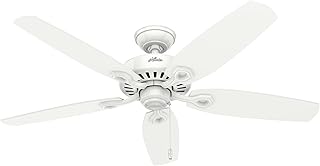
Hunter Builder Elite 52-Inch
The Hunter Builder Elite No Light keeps things refreshingly simple with a traditional five-blade layout, standard mounting, and pull-chain controls. Its snow-white finish blends easily into kitchens, bedrooms, and living rooms, making it a dependable pick for shoppers who value straightforward operation over app features.
DREO 42-Inch Low-Profile Fan with Light
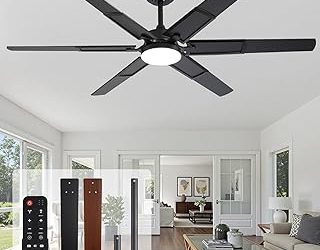
Although it is not a true no-light model, the DREO 42-inch is a useful alternative for rooms where overhead lighting is still needed. Its low-profile form, quiet 22dB DC motor, reversible six-speed operation, dimmable light, and selectable color temperatures suit compact bedrooms and lower ceilings particularly well.
TCL 52-Inch Low-Profile Fan with Light
The TCL 52-inch combines a five-blade flush-mount design with a quiet, reversible six-speed DC motor and a dimmable LED light. It is worth considering when replacing a ceiling fixture rather than adding a dedicated fan, especially in a bedroom, garage, or living room where a low-profile installation is important.
Frequently Asked Questions
What size ceiling fan is best for a bedroom?
A 42- to 52-inch fan works well in many bedrooms, depending on floor area and ceiling height. Larger bedrooms may benefit from a 60-inch model, but the fan should still leave generous clearance from walls, furniture, and light fixtures.
Are ceiling fans without lights better?
They can be, particularly when a room already has adequate lighting or when you want a cleaner, less visually busy fixture. Removing the light kit can also make the fan a better match for rooms with recessed lighting, lamps, or decorative pendants.
Can a no-light ceiling fan be installed outdoors?
Only if the model is rated for the intended location. Covered patios generally require a damp-rated fan, while exposed areas may need a wet-rated model. Always follow the product’s installation instructions and local electrical requirements.
Is a remote-controlled fan worth choosing?
For most bedrooms and living rooms, yes. A remote makes speed adjustment and seasonal reverse settings more convenient, especially when the fan is mounted high. Pull-chain models remain a sensible choice for users who prefer minimal electronics and simple maintenance.
Final Thoughts
The Sofucor 52-inch is the most versatile choice for everyday indoor or covered-outdoor comfort, while the 60-inch walnut model makes more sense for broad spaces that need stronger circulation. For simple, traditional control, the Hunter Builder Elite is a reliable alternative; shoppers who also need overhead lighting should consider the DREO or TCL models instead.