Key takeaways
- Run the ice maker for 24 hours before first use. The initial batch often carries a plastic or mineral taste from manufacturing. Discard the first full bin and start fresh.
- Keep a spare water filter on hand. Filters run out at the worst time. Buying a two-pack when you install the first one means you’re never waiting on a delivery to get ice production back.
- Check your home’s water pressure before installation. Most ice makers need a minimum of 20 PSI to fill the mold properly. Low pressure causes partial cubes and slow production that has nothing to do with the unit itself.
- Leave an inch of space between ice in the bin and the ejector mechanism. Overfilled bins jam the harvester arm, which is the number-one cause of “broken” ice makers that are actually just user-error issues.
What's inside
- Ice Type Matters More Than You Think
- Production Capacity vs. Storage: Know the Difference
- French Door vs. Counter Depth vs. Side-by-Side: How Design Affects Ice Performance
- Water Lines, Dispensers, and Maintenance Reality
- When a Separate Ice Maker Makes Sense
- Tips
- Frequently Asked Questions
- Conclusion
- Related Articles
There’s a specific kind of disappointment that hits when you reach into the freezer tray expecting crushed ice for your evening cocktail and find three warped cubes fused together like a small glacial formation. The ice maker is the component most people overlook during a refrigerator purchase—until it stops working, or never worked well in the first place. In 2026, the landscape has shifted noticeably: nugget ice is no longer a luxury add-on, and counter-depth French door models are shipping with ice production rates that rival dedicated units. Choosing the right fridge around the ice maker saves you from a five-year headache.
- Ice Type Matters More Than You Think
- Production Capacity vs. Storage: Know the Difference
- French Door vs. Counter Depth vs. Side-by-Side: How Design Affects Ice Performance
- Water Lines, Dispensers, and Maintenance Reality
- When a Separate Ice Maker Makes Sense
- Tips
- Frequently Asked Questions
- Conclusion
- Related Articles
This guide walks through the factors that actually determine whether an ice maker will serve you reliably—ice type, production capacity, bin storage, dispenser design, and the mechanical differences between built-in and freestanding ice systems. We’ll reference current models worth considering so you can match features to your household’s daily ice consumption without paying for capacity you’ll never touch.
As an Amazon Associate we earn from qualifying purchases.


🛒 Best Price Today on Amazon
Prime members get fast, free shipping on everything above, plus member-only deals. New members get a 30-day free trial — cancel anytime.
Ice Type Matters More Than You Think
Not all ice performs the same way. Standard crescent or bullet-shaped cubes work fine for everyday water glasses, but nugget ice—the soft, chewable kind that absorbs the flavor of whatever you put it in—has become the most requested feature in refrigerators this year. The Samsung RF27CG5400SRAA, for example, produces four distinct ice types including nugget, which historically required a separate countertop machine. Meanwhile, models like the 20 Cu Ft French Door with Side Freezer combine both nugget and cube ice in one unit, letting you match the ice to the drink without compromise. Think about what your household actually drinks daily before deciding whether nugget ice is worth the premium or if solid cubes are perfectly adequate.
Production Capacity vs. Storage: Know the Difference
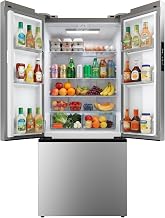
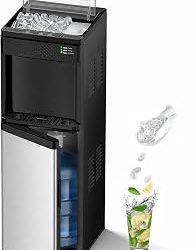
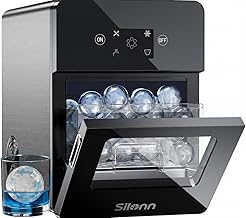
Ice production tells you how much ice the machine generates in 24 hours; storage tells you how much the bin holds before it overflows or melts. These are separate specs, and confusing them is a common mistake. Most built-in French door ice makers produce between two and four pounds per day, which handles a household of four comfortably. The KoolMore Counter Depth French Door Refrigerator with its 22.5 Cu.Ft capacity targets exactly this range. If you regularly host gatherings, a standalone unit like the 2-in-1 Ice Maker and Beverage Fridge—rated at 120 pounds per day with 30 pounds of storage—covers events without depleting your main fridge’s supply. Match the production number to your realistic weekly consumption rather than worst-case party scenarios.
French Door vs. Counter Depth vs. Side-by-Side: How Design Affects Ice Performance
French door configurations dominate the ice maker market for good reason: the bottom-mount freezer drawer frees up the upper fresh-food section for dispenser placement at eye level. Both the LRAIN and the comparable 16 Cu. Ft. French Door Refrigerator models use this layout with frost-free auto defrost systems that prevent the ice maker’s water line from developing ice blockages—a real problem in older side-by-side designs. Counter-depth models from KoolMore and Samsung sit flush with cabinetry, which sometimes means a slightly smaller ice bin to accommodate the shallower cabinet. If your kitchen has tight sightlines, counter-depth is worth the minor storage trade-off; if the fridge sits in a utility space or garage, full-depth units often offer more generous ice storage without the aesthetic premium.
Water Lines, Dispensers, and Maintenance Reality
An ice maker is only as reliable as its water supply. Every built-in unit requires a dedicated water line connection—usually a quarter-inch plastic or copper tube—and filter replacement every six months to prevent mineral buildup that clogs the mold trays. Models with through-the-door dispensers, like the 20 Cu Ft Side Freezer unit with its integrated water dispenser, add a convenience layer but also introduce a second maintenance point: the dispenser nozzle needs periodic cleaning to avoid mold in the drip tray. Frost-free systems (found in both 16 Cu. Ft. French Door models) handle defrosting automatically, but you’ll still want to clear the ice bin monthly and inspect the fill tube for any signs of kinking. A unit that’s easy to access beats one tucked behind a cabinet panel when maintenance day arrives.
When a Separate Ice Maker Makes Sense
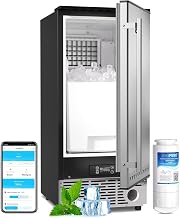
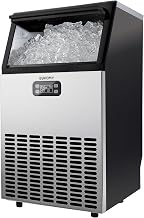
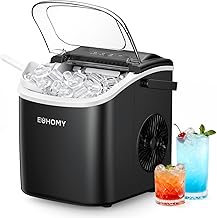
Premium built-in ice makers are excellent, but they occupy a section of your freezer that could store food. If your household consumes more than four pounds of ice daily, or if you prefer a specific ice style your fridge doesn’t produce, a standalone or undercounter unit becomes the smarter investment. The 2-in-1 Ice Maker and Beverage Fridge, with its dual-drawer design and adjustable ice thickness, handles bar-kitchen hybrid setups where drinks and ice share counter space. These units also bypass the single point-of-failure risk: when a built-in ice maker needs service, you lose all ice production until it’s repaired. A backup machine eliminates that vulnerability entirely.
Tips
- Run the ice maker for 24 hours before first use. The initial batch often carries a plastic or mineral taste from manufacturing. Discard the first full bin and start fresh.
- Keep a spare water filter on hand. Filters run out at the worst time. Buying a two-pack when you install the first one means you’re never waiting on a delivery to get ice production back.
- Check your home’s water pressure before installation. Most ice makers need a minimum of 20 PSI to fill the mold properly. Low pressure causes partial cubes and slow production that has nothing to do with the unit itself.
- Leave an inch of space between ice in the bin and the ejector mechanism. Overfilled bins jam the harvester arm, which is the number-one cause of “broken” ice makers that are actually just user-error issues.
Frequently Asked Questions
How long does a built-in refrigerator ice maker typically last?
Most modern ice makers in French door and counter-depth units are designed for eight to twelve years of service, assuming regular filter changes and annual inspection of the water line. The most common failure point is the water inlet valve, which is a straightforward and inexpensive repair compared to full unit replacement.
Can I connect a counter-depth refrigerator to an existing water line from an old side-by-side?
In most cases, yes. Standard quarter-inch water supply lines are universal across refrigerator brands. However, verify the connection length before assuming—counter-depth models sometimes sit in slightly different positions relative to the wall valve, and you may need a longer line or a quick-connect adapter.
Is nugget ice worth the extra cost in a built-in fridge?
If your household drinks iced coffee, soft drinks, or cocktails regularly, nugget ice genuinely changes the experience. It cools faster and tastes better because it absorbs beverage flavor. If your ice mainly goes into water glasses, standard cubes perform the job without the added mechanism complexity.
Do standalone ice makers need a drain line?
Most air-cooled standalone units like the 2-in-1 beverage fridge model evaporate meltwater internally and do not require a drain. Water-cooled commercial-style units do need one, but those are outside the scope of home kitchen use. Always check the specifications, as the occasional water-cooled model marketed for home bars will need plumbing you might not expect.
Conclusion
The best refrigerator ice maker is the one that matches your actual ice consumption, fits your kitchen layout, and doesn’t demand more maintenance than you’re willing to perform. Whether you go with a fully integrated French door model like the Samsung RF27CG5400SRAA for its four ice types, a dependable counter-depth unit from KoolMore, or a dedicated undercounter machine as a backup, the decision comes down to honest daily use—not the spec sheet’s most impressive number. Pick the ice that fits your life, and the rest of the kitchen will follow.