
Key takeaways
- Target Audience: Adult
- Recommended Uses For Product: Endurance, Exercise and Fitness, Speed
- Item Length: 280 Centimeters
Jump rope gets described as the most efficient cardio in existence, usually with a comparison to running that sounds impressive and collapses under examination. The honest position is more interesting. Skipping delivers a high heart rate in a small space with a piece of equipment that costs less than a single gym session, and it does so with roughly the impact of running in place, concentrated in the calves and Achilles. That last part is the trade-off nobody puts on the packaging.
Compared with cycling, it is far harder on the joints and far better for bone density and foot mechanics. Compared with running, it is lower total impact per session simply because sessions are shorter, but the loading is more repetitive and less varied. Compared with rowing, it demands more coordination and less equipment. This piece looks at where skipping genuinely wins, where it does not, and how the six ropes below serve different answers to that question.
Our top picks
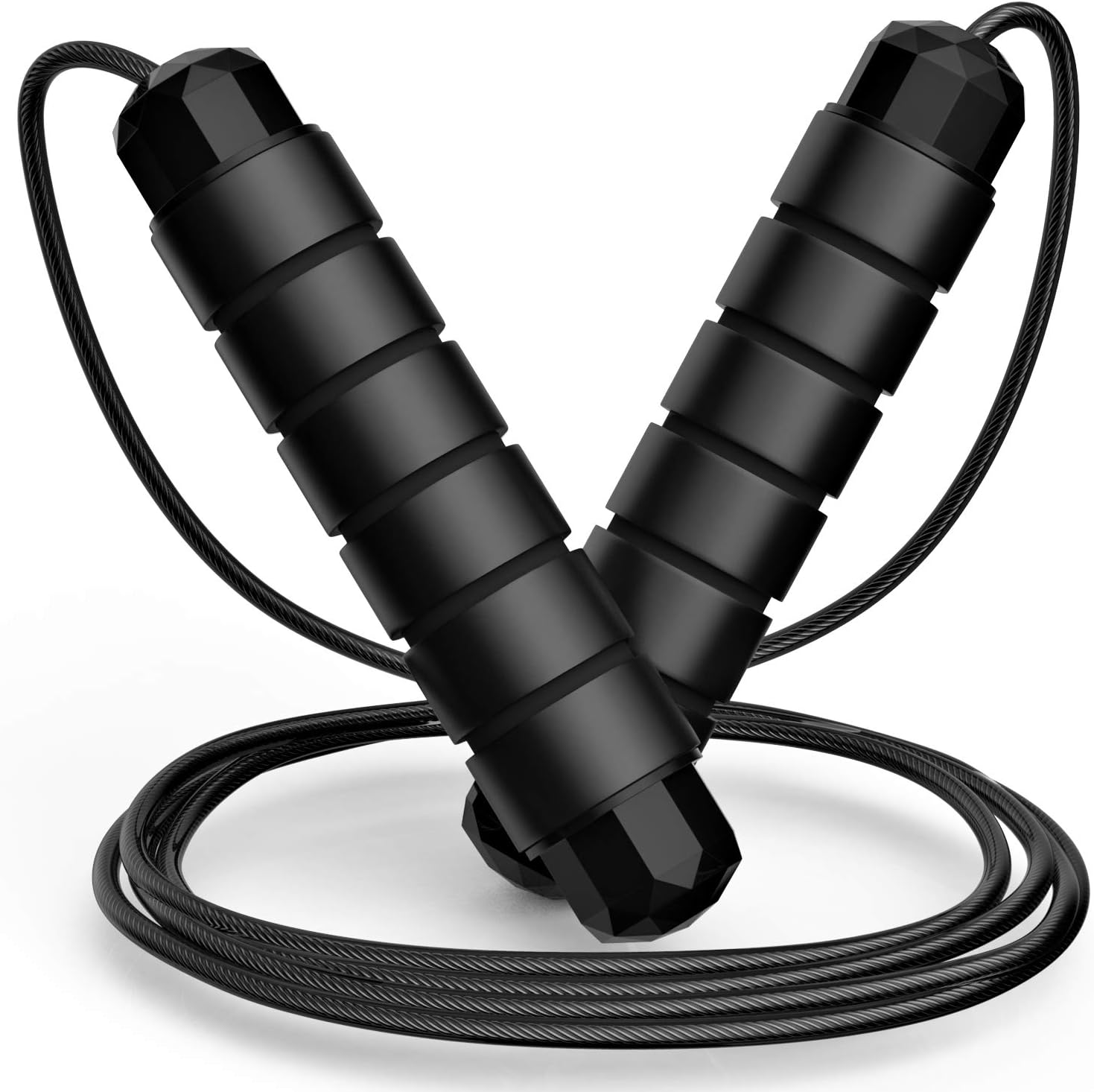 Jump Rope
- Target Audience: Adult
- Recommended Uses For Product: Endurance, Exercise and Fitness, Speed
- Item Length: 280 Centimeters


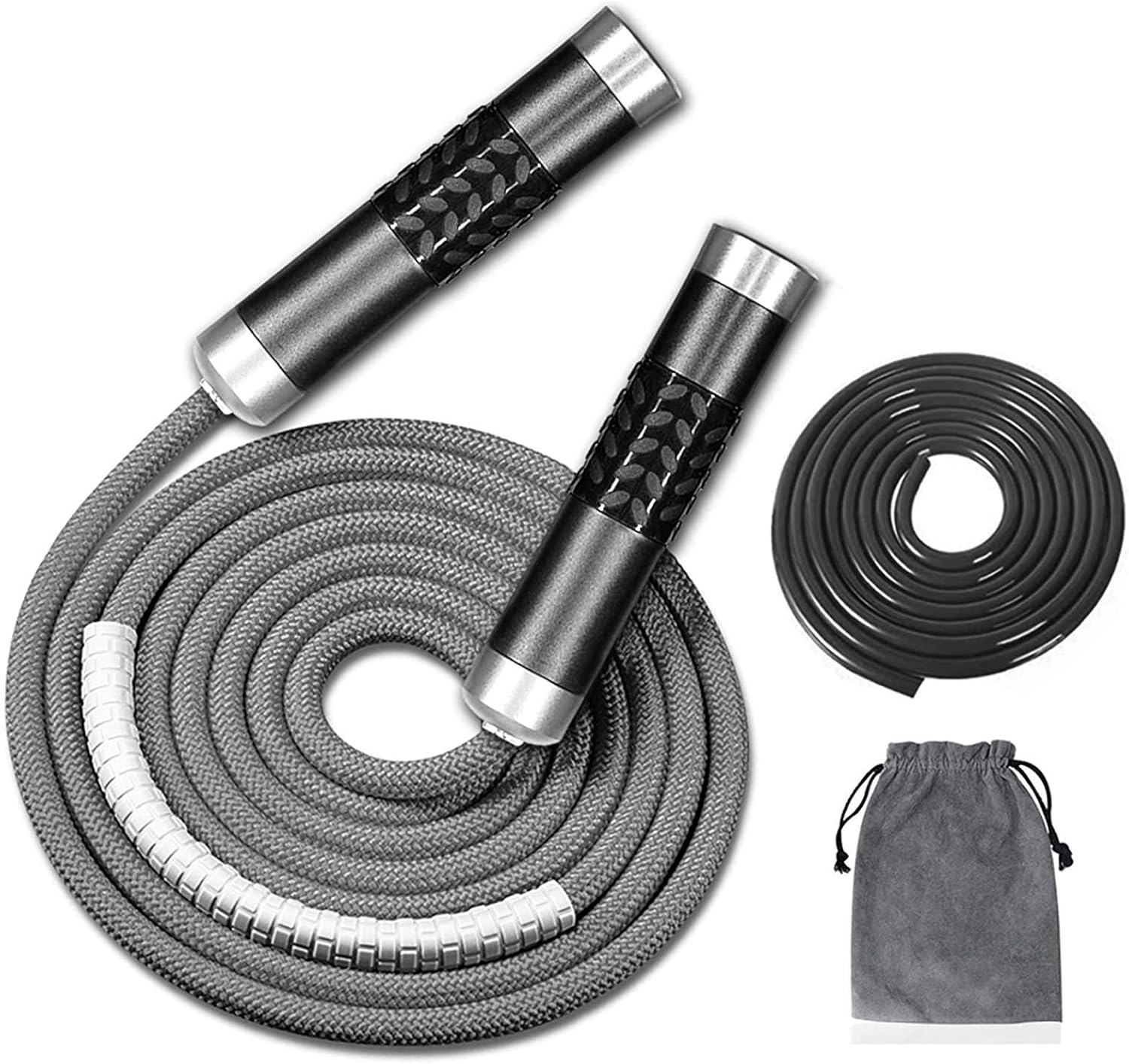 Redify Weighted Jump Rope for Workout Fitness
- Target Audience: Adult
- Item Length: 120 Inches
- Handle Diameter: 1 inches
 BOOMIBOO Jump Rope
- Target Audience: Adult, Kid
- Recommended Uses For Product: Exercise and Fitness
- Item Length: 9.2 Feet
As an Amazon Associate we earn from qualifying purchases at no extra cost to you.
Quick Comparison
| Product | Best For | Standout Feature | Watch Out For |
|---|---|---|---|
| Tangle-Free Speed Rope | High heart rate in minimal time | Bearings sustain fast interval cadence | Fast misses discourage new jumpers |
| SPORTBIT Adjustable Rope | Steady moderate cardio sessions | Comfortable for longer continuous work | Limited ceiling for interval speed |
| Honor Athletics Pro Boxing Rope | Boxing-style rounds | 5.3 mm cable built for gym-floor durability | Thicker cable is slower than a speed rope |
| KUTIZE Weighted Rope (1 lb) | Adding upper-body demand to cardio | Adjustable length with a full pound of load | Grip fatigue caps session length |
| Pre-Sized Weighted Rope | Skipping the setup entirely | Three fixed lengths, no adjustment needed | Wrong size choice cannot be corrected |
| Weighted Jump Rope (1 lb) | Conditioning circuits between exercises | Heavy cable raises effort at low cadence | Higher landing impact than a light rope |
How to Choose
- Be realistic about impact: Skipping loads the calves and Achilles roughly 100 times a minute. That is excellent for bone and tendon resilience when built up gradually and a reliable route to shin pain when it is not.
- Compare against what you would otherwise do: If the alternative is a stationary bike you never use, skipping wins on adherence alone. If you already run comfortably, rope work is a supplement rather than a replacement.
- Match cable weight to your goal: Light cables push cardiovascular output through cadence. Weighted cables raise total effort by loading the shoulders, at a lower jump rate and a higher landing force.
- Plan intervals, not marathons: Continuous skipping for thirty minutes is a calf endurance event more than a cardio session. Thirty to sixty seconds of work with equal rest produces a better cardiovascular stimulus with less repetitive loading.
- Protect the landing surface: A wooden floor, a rubber mat or a sprung gym surface substantially reduces the cumulative stress compared with concrete, and it also preserves the cable.
Top Picks Reviewed
Best Pure Cardio Tool: Tangle-Free Speed Rope
For raising heart rate quickly in a small space, a thin cable on sealed bearings is the most effective option here. Thirty-second bursts at high cadence produce an interval stimulus comparable to hill sprints without leaving the room.
It punishes inexperience. A fast rope means fast misses, and repeatedly clipping your shins is the main reason people abandon skipping in the first fortnight.
Best Sustained Sessions: SPORTBIT Adjustable Rope
Comfortable handles and a moderate turn speed make longer continuous efforts more pleasant, which suits people using rope work as steady-state cardio rather than intervals.
The swivel limits maximum cadence. Once you want genuine speed work, the equipment rather than your fitness becomes the constraint.
Best Round-Based Training: Honor Athletics Pro Boxing Rope
A 5.3 mm cable built for gym use holds up to three-minute rounds on abrasive floors, and the weight and feel suit the rhythmic, sustained style boxing conditioning uses.
It is not a speed rope. Double-unders and very high cadence work are difficult with a cable this thick, so it covers one style of training well and another poorly.
Best Full-Body Demand: KUTIZE Weighted Rope
A full pound of cable turns skipping into a shoulder and forearm session as well as a cardiovascular one, and adjustability means you can size it precisely for a compact arc.
Grip endurance becomes the limiting factor before your lungs do. Expect shorter intervals than you would manage with a light cable, at least for the first month.
Best Zero-Setup Option: Pre-Sized Weighted Rope
Three fixed lengths mean you choose your size once and never think about adjustment again, and the pre-set length is properly balanced rather than having a tail of excess cable.
Choose the wrong size and there is no remedy. Measure carefully against your height before ordering, because the flexibility of an adjustable rope is exactly what you are giving up.
Best Circuit Component: Weighted Jump Rope
Dropped into a circuit between strength exercises, a heavy cable raises effort quickly at a manageable cadence, which suits conditioning work where you do not want maximum foot speed.
The heavier cable encourages a taller jump and firmer landings, so the impact cost per minute is higher than with a light rope.
Frequently Asked Questions
Is skipping really better cardio than running?
It reaches a high heart rate faster and needs no space, but running is easier to sustain for long durations and spreads load differently. Better depends on your joints, your space and what you will actually do consistently.
How many minutes of skipping equals a run?
Comparisons like this are rough at best, since intensity varies enormously. A more useful measure is heart rate: ten minutes of hard interval skipping can match a considerably longer easy run in cardiovascular demand.
Is jump rope bad for the knees?
Landing softly on the forefoot on a forgiving surface keeps most of the load in the calf and Achilles rather than the knee. Existing knee problems and heavy landings are the situations that cause trouble.
Can skipping alone provide enough cardio?
For general health, three to five sessions a week of interval skipping is a reasonable cardiovascular base. Mixing in a low-impact option like cycling reduces repetitive strain and is worth doing.
Final Thoughts
Jump rope is exceptional value and genuinely effective cardio, provided you respect the impact and build up gradually. Choose a light bearing-mounted cable for intervals, a thicker durable rope for boxing-style rounds, or a weighted cable if you want the shoulders involved. Keep sessions interval-based, land softly on a forgiving surface, and treat it as one part of a mixed cardio approach rather than the whole answer.



Write Your Review
No reviews yet. Be the first to share your experience!