Key takeaways
- 4 to 5 inches (Tufted cotton/poly fill): Classic, foldable, light (35–45 lbs). Feels firm, bottoms out on the frame for adults over 180 lbs. Best for occasional guests, kids’ rooms, or when you need to fold the futon daily without wrestling weight. Usually $150–$280 if sold separately.
- 6 inches (Foam core + fiber wrap, density 1.5–1.8 lb/ft3): The sweet spot for value sets. Balances sofa comfort and sleep support, weighs 45–60 lbs. Won’t feel like a luxury mattress but prevents feeling the slats. Good for 3–4 nights per week.
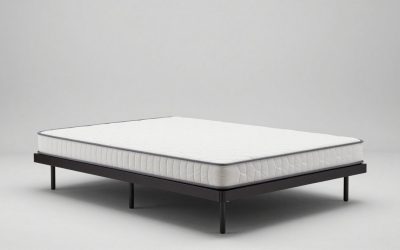
- 8 inches (Innerspring, pocket coil, or hybrid foam + springs): Closest to a real mattress for daily sleeping. Most comfortable for side sleepers and anyone over 200 lbs. Requires a sturdy bi-fold frame with wider hinge clearance — some thin metal frames can’t fully close on an 8-inch mattress and leave a gap at the hinge. Weighs 60–80 lbs, harder for one person to convert. Usually $300–$500 alone, found in sets around $450–$700.
The best futons with mattress included for small spaces are wood or metal bi-fold frames paired with a 6 to 8-inch innerspring or hybrid mattress for daily sleeping, and slimmer 4 to 6-inch foam or polyester-filled tufted mattresses on split-back frames for occasional use — your choice depends on whether you need a true every-night bed or a flexible sofa that saves floor space.
Frame Types Compared: Which Holds Up Best?
The frame determines comfort, durability, and how much room the futon actually saves. Most value sets in 2026 fall into three categories, usually priced $250–$600 for frame plus mattress.
| Frame Type | Best For | Weight Limit (Total) | Folded Footprint | Durability Trade-off |
|---|---|---|---|---|
| Solid Hardwood Bi-Fold (e.g., plantation-style) | Daily sleeping, traditional look | 500–600 lbs | 54″W x 35″D x 32″H (full size) | Very durable, resists sagging; heaviest at 80–110 lbs boxed, can loosen at joints if hardware not retightened |
| Metal Bi-Fold with Mesh Deck | Budget and frequent converting, rentals | 450–600 lbs | 54″W x 33″D x 31″H (full size) | Lighter (55–75 lbs boxed), no squeaks if mesh is taut; thinner bars can bend under uneven weight over years |
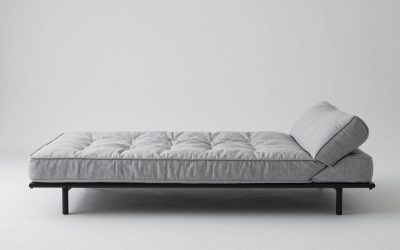
| Metal/Wood Split-Back (Click-Clack) | Small apartments, lounging with divided back | 400–550 lbs | 70″W x 34″D x 32″H as sofa (queen split-back) | Most versatile positions (sofa/lounger/bed); most moving parts, hinges and latch bars wear first |
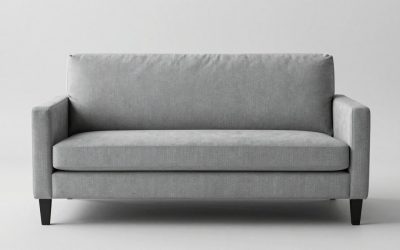
| Upholstered Convertible (A-frame / Futon Sofa Bed) | Studio that must look like a sofa | 400–500 lbs | 78″W x 38″D x 34″H as sofa | Looks like a regular couch; limited airflow under mattress, foam can trap heat |
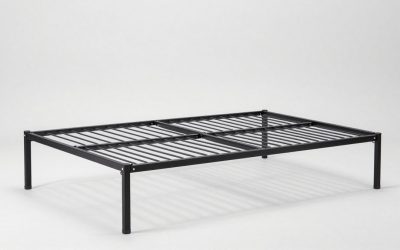
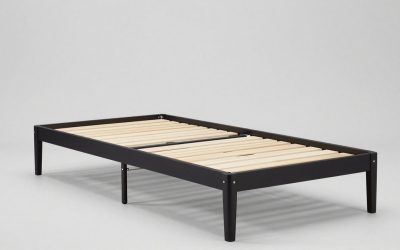
For daily sleeping, avoid frames with a simple wire-grid deck and widely spaced slats. Look for 12+ slats or a full mesh support with center legs that touch the floor in bed position. Without that center support, any full-size futon will dip in the middle within months.
Construction Materials: What You Actually Get in Value Sets
| Material | Pros | Cons | What to Check Before Buying |
|---|---|---|---|
| Solid Hardwood (rubberwood, acacia, poplar) | Highest stiffness, refinishes well, holds screws | Heavier, usually $400–$650 for a set | Kiln-dried? Mortise-and-tenon or dowel joints beat simple butt joints |
| Engineered Wood (MDF/particleboard with veneer) | Low cost, smooth finish | Swells with moisture, strips at screw holes if moved often | Thickness of veneer, whether armrests are solid wood caps |
| Powder-Coated Steel | Lightest, best for renters who move, easy to clean | Can flex, paint chips at welds | Gauge of steel (14-16 gauge is sturdier), welded vs bolted side arms |
| Fabric Cover (polyester twill, microfiber, linen blend) | Durable, resists stains | Low breathability, pilling on cheap weaves | Removable, washable cover with YKK-type zipper; rub count 15,000+ for pets/kids |
Mattress Thickness and Filling: Thickness Isn’t Everything
A common mistake is assuming an 8-inch futon mattress is automatically better. Thickness only helps if the core supports you.
- 4 to 5 inches (Tufted cotton/poly fill): Classic, foldable, light (35–45 lbs). Feels firm, bottoms out on the frame for adults over 180 lbs. Best for occasional guests, kids’ rooms, or when you need to fold the futon daily without wrestling weight. Usually $150–$280 if sold separately.
- 6 inches (Foam core + fiber wrap, density 1.5–1.8 lb/ft3): The sweet spot for value sets. Balances sofa comfort and sleep support, weighs 45–60 lbs. Won’t feel like a luxury mattress but prevents feeling the slats. Good for 3–4 nights per week.
- 8 inches (Innerspring, pocket coil, or hybrid foam + springs): Closest to a real mattress for daily sleeping. Most comfortable for side sleepers and anyone over 200 lbs. Requires a sturdy bi-fold frame with wider hinge clearance — some thin metal frames can’t fully close on an 8-inch mattress and leave a gap at the hinge. Weighs 60–80 lbs, harder for one person to convert. Usually $300–$500 alone, found in sets around $450–$700.
For daily use, prioritize foam density and coil count over total thickness. A 6-inch high-density foam mattress (1.8 lb/ft3 or higher) will outlast and out-support a fluffy 8-inch with low-density fill that compresses to 4 inches after six months. If you have back pain, look for a hybrid with 300+ coils in full size or a foam core with a 2-inch comfort layer, not just batting.
Mattress size matters in a small space: A twin futon mattress (39″ x 75″) doubles as a single bed and fits a 7×9 ft nook. A full (54″ x 75″) is the standard and sleeps two tightly but needs more clearance. A queen futon on a split-back frame is actually 60″ x 54″ as a bed and dominates an 10×12 ft room — leave at least 24 inches of walkway on one side.
Folding Mechanisms: How You Will Actually Use It
Your daily routine should dictate the mechanism, not the product photo.
- Bi-Fold (Traditional): Frame hinges in the middle. You pull the seat forward and lower the back. Two steps, needs one person and about 30 inches of front clearance to unfold. Makes the flattest sleeping surface. Best if the futon stays in bed mode most of the time.
- Split-Back / Click-Clack: Backrest splits left/right and clicks into multiple angles. You can have one side up for sitting and one flat for lounging, ideal for narrow rooms where you can’t pull the whole futon away from the wall. Requires 12–15 inches of rear clearance from the wall to recline fully.
- Tri-Fold / Lounger (Ottoman style): Folds in thirds. Very compact when folded, but creates two seams under your body when flat. Better as a floor lounger or dorm chair than a primary bed.
If you plan to convert daily, test the conversion effort: Metal bi-folds with rollers glide easier than wood frames on carpet. Wood bi-folds often need two hands to align the hinge pins. Split-back mechanisms are easiest for one person but listen for a loud click — cheap ratchets strip and stop locking.
Decision Matrix: Pick by Your Situation
| Your Situation | Recommended Set | Why It Fits |
|---|---|---|
| Studio or 10×12 ft bedroom, daily sleeping for one | Full-size solid wood bi-fold + 6–8″ hybrid mattress | Full sleeps one comfortably, wood frame handles nightly folding; keep 18″ on each side for nightstands and 30″ front clearance to unfold |
| Small apartment living room that hosts guests 1–2x/month | Split-back metal/wood + 6″ foam mattress with removable cover | Sits upright like a sofa, split recline for movie nights; foam bounces back faster for sofa use |
| Renter who moves annually, upstairs walk-up | Metal mesh bi-fold + 6″ foam mattress | Lightest boxes (two boxes ~60 and 45 lbs), disassembles to fit 28″ doorways and narrow stairwells |
| Kids, pets, or messy daily use | Metal frame + 6″ innerspring with washable polyester cover | Innerspring tolerates jumping better than fiber fill; washable cover is essential; avoid light linen |
| Back pain or over 200 lbs, every-night use | Solid hardwood bi-fold with center support legs + 8″ pocket coil or high-density foam | Coils prevent hammocking; center legs stop mid-sag; avoid 4–5″ tufted cotton fill |
Assembly, Moving, and What Wears Out First
Value sets rarely arrive fully assembled. Expect two boxes: frame (50–110 lbs) and mattress (compressed or rolled, 35–75 lbs). Wood frames take 30–60 minutes with two people; metal frames 20–40 minutes. You will need your own Phillips head and ideally a socket wrench — included Allen keys strip quickly.
Measure before you order:
- Doorway and hallway width: Standard interior door is 28–30 inches wide. Most full-size futon frames ship with arms detached to fit, but pre-assembled upholstered futon sofa beds often need a 32-inch doorway. Check the longest frame piece in the specs.
- Clearance around the futon: As a bed, a full futon needs roughly 54″ x 75″ plus 24″ walkway on at least one long side. As a sofa, assume 54″ wide x 35″ deep. In an 10×12 ft room with a desk and dresser, a full bi-fold in bed mode leaves about 30 sq ft of open floor — enough to walk but not to open a closet door that swings outward.
- Seat height: Futons sit lower than sofas — typically 14–16 inches from floor to top of mattress when in sofa mode. If you have knee issues, look for frames that list a 16-inch+ seat height or add non-slip furniture risers rated for the frame’s weight limit.
What breaks first is rarely the mattress. On wood frames, the barrel nuts and cross-dowels loosen — retighten after the first two weeks of use, then every six months. On metal frames, the mesh deck stretches or the weld at the hinge cracks if the futon is dropped rather than lowered. On mattresses, cotton and low-density foam compress at the hinge line and where hips sit; rotate the mattress 180 degrees monthly and flip if it’s double-sided. Tufted buttons are the first thing pets pull off.
If you need daily sleeping support on a budget, add a $30–$60 tatami-style bunkie board or 0.75-inch plywood cut to deck size under the mattress. It prevents feeling slats and extends mattress life without adding much height.
How to Get the Best Value Without Regret
Spend the most on the part you can’t change later. A solid frame with replaceable mattress is smarter long term than a cheap frame with a thick mattress. Value sets usually $300–$550; sets under $250 typically cut corners with 4-inch low-density fill and thin 18-gauge steel. For daily sleeping, budget $450–$700 total for a frame that will last 5+ years and a mattress you can eventually replace separately.
Look for specifics listings should provide: foam density, coil count, deck type (slat count or mesh), and total weight capacity, not just “sturdy” or “plush.” A mattress with a removable, zippered cover that can be spot-cleaned or replaced will save you from buying a whole new set after a spill.
FAQ
Can adults sleep on a futon every night? Yes, if you choose a 6 to 8-inch high-density foam or innerspring mattress and a frame with a solid slat or mesh deck plus center support. Slim 4-inch cotton-filled futons will cause pressure points for nightly adult use.
Do futon mattresses fit regular bed frames? No. Futon mattresses are thinner and more flexible so they can fold; they are also often a few inches shorter or narrower than standard mattress dimensions and lack the edge support to sit on a conventional platform without sliding.
How hard is it to convert a futon alone? Bi-folds take a firm pull and about 20–30 lbs of lift; manageable for most adults but awkward with an 8-inch mattress. Split-back click-clack models are easiest for one person because you can lower each side separately.