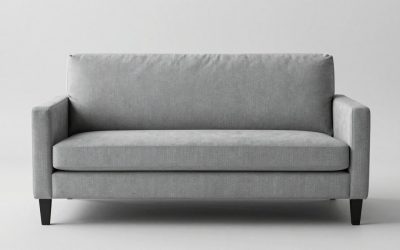
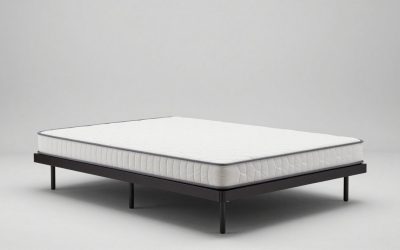
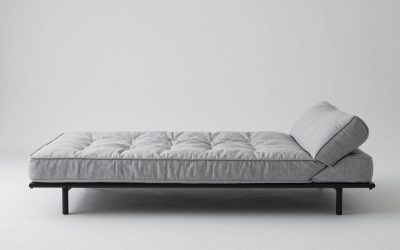
Our Top Picks
 ZonLi Japanese Floor Futon Mattress 100% Cotton CoverQueen(80"L x 60"W x 2.5"Th)80 x 60 x 2.5 inches11 poundsCheck on Amazon
Futon beds from Japan are not one product but two completely different sleep systems: the traditional shikibuton laid directly on tatami and folded away daily, and the modern Japanese-inspired platform frame with a Western-style futon mattress. The right choice depends on whether you want a minimalist, floor-level lifestyle or the look of Japanese design with the convenience of a permanent bed.
Traditional Shikibuton vs. Modern Futon Frame: At a Glance
Understanding the core construction difference makes the decision easier. One is bedding, the other is furniture.

Zelladorra Japanese Floor Mattress, Futon Mattress
Chosen because it specifies Futon Mattress.
View on Amazon
MAXYOYO 6" Extra Thick Japanese Floor Mattress Queen Folding Futon Mattress
Picked as a relevant option in this category.
View on AmazonZonLi Japanese Floor Futon Mattress 100% Cotton Cover Foldable Portable
Picked as a relevant option in this category.
View on Amazon
MAXYOYO Japanese Floor Mattress 4" Thick Twin Size Foldable Futon Mattress
Picked as a relevant option in this category.
View on Amazon| Feature | Traditional Shikibuton | Modern Japanese Platform + Futon Mattress |
|---|---|---|
| What It Is | Quilted mattress (shikibuton) + comforter (kakebuton), no frame | Low wooden platform frame + thicker bi-fold or tri-fold mattress |
| Typical Thickness | 3 to 4.5 inches when new | 6 to 8 inches |
| Sleep Height From Floor | 3 to 5 inches (with tatami) | 12 to 16 inches |
| Weight | 15 to 22 lbs (easy to fold and carry) | Frame 50 to 90 lbs + Mattress 30 to 50 lbs |
| Daily Care | Fold/air daily, required | Rotate mattress monthly, minimal |
| Best For | Minimalists, small spaces, tatami rooms | Those who want Japanese aesthetics with a standard bed routine |
| General Market Range | Usually $250–$600 for authentic cotton/batting fill | Usually $400–$900 for frame + mattress set |
What Makes an Authentic Japanese Futon Bed?
An authentic system is designed to be portable, breathable, and stored every morning, not left on the floor.
1. The Shikibuton: Materials Matter
Authentic shikibutons are thin by design because they are meant to be folded and aired. Fill material determines firmness, weight, and care:
- 100% Cotton Batting: The most traditional fill. Firm, dense, and supportive with little bounce. It molds to your body over time and requires frequent airing and occasional re-tufting to prevent clumping. Heavier than synthetic options.
- Cotton and Wool Blend: Adds natural temperature regulation and slightly more loft. Wool resists moisture better than cotton alone, making it a better choice for humid climates.
- Shredded Memory Foam or Polyester Blend: Common in export-market “Japanese futons.” Lighter, more cushioned, and resists compression longer, but less breathable and not considered traditional. Often too warm for direct floor use without a moisture barrier.
Cheap polyester-only futons that are 6+ inches thick and never need folding are Western adaptations, not shikibuton. A true shikibuton will compress to about 2.5 to 3 inches under body weight after a few weeks of use.
2. Tatami Compatibility Is Not Optional
Tradition places the shikibuton on tatami mats, not bare wood, carpet, or concrete. Tatami provides critical functions:
- Moisture Management: The rice straw core and woven igusa rush surface wick and release the 1 to 1.5 pints of moisture a sleeper releases per night. Without it, condensation collects under the futon and leads to mold within weeks.
- Cushioning and Insulation: A standard tatami is 1.5 to 2 inches thick, adding subtle spring and thermal insulation from a cold floor.
- Standard Sizing: Authentic tatami are around 35.5 x 71 inches (half-mat), so a single shikibuton (approx. 39 x 79 inches) will slightly overhang, which is normal.
If you do not have tatami, you must replicate its function. Use a breathable slatted base like a low sukiya-style stand, a coconut fiber or rush tatami mat, or at minimum a moisture-barrier sheet and a weekly airing routine. Placing a cotton shikibuton directly on hardwood or carpet without airflow is the most common cause of failure in Western homes.
3. Thickness and Firmness Reality
Do not expect pillow-top softness. A traditional futon provides firm, even support similar to sleeping on a dense quilt. Side sleepers over 160 lbs often find a 3-inch cotton shikibuton too thin on hips and shoulders unless doubled up or placed on tatami. Most Japanese users add a thin wool or down topper (3/4 inch) in winter for extra cushion. The firmness is intentional for spinal alignment and easy floor sitting/standing transitions, not plush sink-in comfort.
Modern Japanese-Inspired Futon Frames Explained
The modern version takes the low-profile aesthetic but applies Western bed logic: a permanent frame you don’t fold.
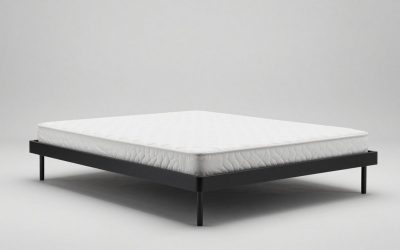
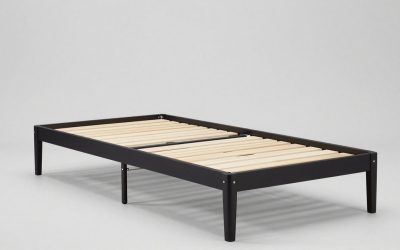
- Construction: Typically a solid wood platform (often pine, paulownia, or rubberwood) with widely spaced slats 2.5 to 3.5 inches apart. Height is very low, usually 10 to 14 inches to the top of the slats, for a total sleep height of 16 to 20 inches with mattress.
- Mattress Difference: The mattress is thicker (6-8 inches), often layered with high-density foam cores, innersprings, or dense polyester to be used without daily folding. It is designed to stay on the frame.
- Aesthetic: Clean lines, no headboard or a low slatted headboard, mortise-and-tenon or dowel joinery. It captures wabi-sabi minimalism without the lifestyle commitment.
Room Fit and Clearance: Measurements That Matter
Both systems save space, but in different ways. Use these numbers to plan:
| Situation | Traditional Shikibuton | Low Platform Frame (Full Size) |
|---|---|---|
| Footprint When In Use (Full) | 54 x 79 inches (mat only) | 58 x 82 inches (frame overhang) |
| Footprint When Stored | 26 x 39 x 18 inches folded in thirds in closet | Permanent; requires 24-30 inches clearance on 2 sides to make bed |
| Works in a 10×12 ft Room? | Yes. Frees 30-35 sq ft of floor space during the day for yoga, desk, or living area. | Tight but possible. Leaves about 62 sq ft of free floor after nightstands (18 inch wide each). |
| Weight Limit | No limit (floor-supported); 250-300 lbs per person recommended for 4-inch thickness | Usually 400-600 lbs total for solid wood frame; check slat count (12+ slats preferred) |
| Doorway/Moving | Fits any doorway rolled; weighs under 25 lbs | Comes in 1-2 boxes (70-90 lbs total); requires assembly, 30-inch doorway clearance |
For renters, the shikibuton is the most flexible. You can roll it and move it in a car, with no wall damage. A platform frame is still renter-friendly compared to a heavy upholstered bed, but it needs 30-45 minutes of assembly and leaves felt-pad marks if dragged.
Material and Construction Trade-Offs
Whether you choose traditional or modern, frame and fill materials determine durability.
| Material | Pros | Cons | Best For |
|---|---|---|---|
| Solid Paulownia / Hinoki Wood (Frame) | Very light, naturally moisture-resistant, authentic aroma | Softer wood dents easily, usually $150-$300 more than pine | Traditional rooms, humid climates |
| Solid Pine / Rubberwood (Frame) | Strong, affordable, holds screws well | Heavier, can off-gas slightly when new | Everyday modern platform use |
| Engineered Wood / MDF with Veneer | Cheapest, perfectly uniform look | Sags under humidity, chips at edges, shorter lifespan (3-5 years) | Budget temporary setups only |
| Cotton Batting (Fill) | Breathable, firm support, fully foldable | Compresses 30-40% in first year, needs sunning | Purists who will air and flip regularly |
| High-Density Foam Core (Fill) | Retains loft, better for side sleepers, no daily care | Can trap heat, cannot be folded tightly, heavier | Modern frames, users with back pain who need consistency |
Care, Durability and What Wears First
Traditional Shikibuton Care
This is a daily ritual, not an occasional chore. Expect to:
- Fold or roll daily and store upright in a closet or against a wall to allow air circulation.
- Air weekly: Drape over a chair or balcony railing in direct sunlight for 2-3 hours. UV and airflow prevent odors and restore loft. In winter or apartments without balcony, stand it on edge near an open window with a fan.
- Flip and rotate head-to-foot every 2 weeks to even out compression.
- What wears first: Tufting threads loosen and batting clumps after 2-3 years of daily use. Professional re-carding can extend life to 5-7 years, but most cotton futons need replacement after 4-5 years if used nightly.
Modern Frame + Mattress Care
- Rotate the mattress 180 degrees every 3 months. Do not fold it; foam cores will crack.
- Tighten frame bolts every 6 months; low frames loosen faster due to lateral stress when sitting on the edge.
- Vacuum slats and under-frame monthly; low clearance traps dust.
- What wears first: Slats bowing or center support cracking under uneven weight, and foam softening at hip area after 4-6 years. Solid wood frames typically last 8-12 years.
Decision Matrix: Which Should You Choose?
Match your living situation to the system that fits your habits, not just your style.
| Your Situation | Choose Traditional Shikibuton If… | Choose Modern Platform Frame If… |
|---|---|---|
| Small Apartment / Studio <200 sq ft | You need the floor space back every day for work or exercise | You prefer a dedicated sleep zone and rarely host guests |
| Renters Who Move Often | You want zero assembly and easy transport | You have a longer lease and want a more permanent bedroom feel |
| Kids and Pets | Not ideal; daily folding is hard with accidents, claws snag cotton covers | Better; washable mattress protector works, frame is stable for jumping |
| Back Pain / Joint Issues | Good if you prefer very firm support and can get up from floor level easily | Better if getting up from 3 inches is difficult; 14-16 inch height eases knees and hips |
| Hot Sleepers / Humid Climate | Excellent breathability, but only with tatami or ventilated base | Choose slatted frame + natural fiber mattress; avoid solid platform bases |
| Minimalist Aesthetic Only | You embrace the full ritual: fold, air, live low | You want the Japanese look with a normal Western routine |
If you have knee or hip mobility limitations, or you dislike daily bedding chores, the modern platform is the more sustainable choice despite being less “authentic.” If your priority is maximum floor flexibility and you are disciplined about airing, the shikibuton delivers the true experience and can even be a better long-term value since replacement cost is lower than a full mattress.
Final Buying Checklist
- Check actual thickness and fill weight in specifications. A listing that does not state cotton weight (e.g., 5kg for a single) is likely synthetic and not authentic.
- Verify cover material. Authentic covers are 100% cotton with 100% cotton tufts, removable and washable. Polyester covers trap heat on the floor.
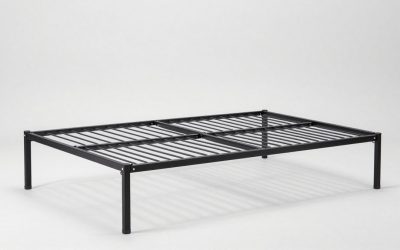
- For frames, count slats and look for a center rail with legs. A full-size frame with fewer than 12 slats will sag under a foam futon.
- Measure your closet. A folded shikibuton needs a space at least 28 inches wide and 20 inches deep to store vertically.
- Plan for moisture. Budget an extra $80–$200 for a tatami mat, breathable goza mat, or slatted stand if you choose the traditional route without existing tatami flooring.