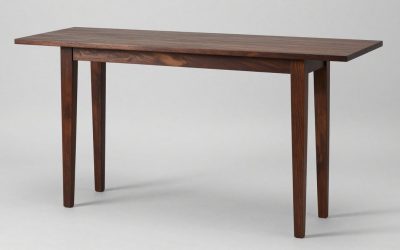
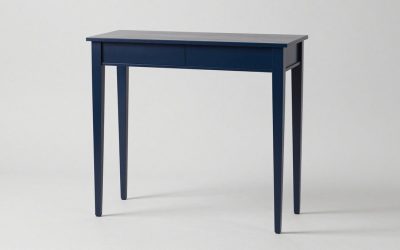
Our Top Picks
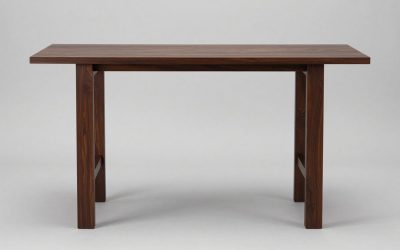
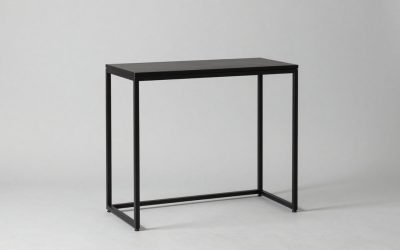
 ChooChoo 39" Entryway Table with Drawers and Storage11.8"D x 39.4"W x 31.5"H34.5 poundsCheck on Amazon
A dark brown console table with storage is the right buy when you pick it in this order: depth that fits your walkway (12–16 in for most spaces, under 12 in for tight halls), a top at or just below your sofa back (typically 30–33 in), and then a construction—solid wood, veneer, or engineered wood—that matches how long you plan to keep it. Get those three decisions right and the tone-matching details below become easy.
Get the size right before the finish
Most returns happen because of depth, not color. People passing a console table need about 36 in of clear walkway, so in a 48-in-wide hallway your table can be no more than 12 in deep. Behind a sofa, the rules flip: the top should sit level with or 1–2 in below the sofa back, and the width should run the sofa length minus 6–12 in so nothing overhangs.

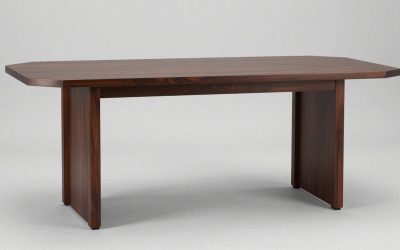
Epecoya Modern Dark Brown Console Table for Living Room, 63 Inch
Chosen because it specifies 63 Inch.
View on AmazonChooChoo 39" Entryway Table with Drawers and Storage Shelf
Picked as a relevant option in this category.
View on Amazon
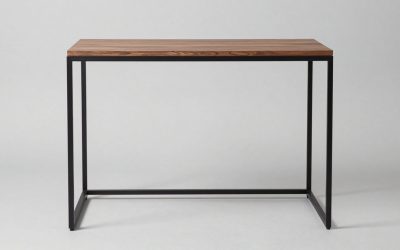
FATORRI Console Sofa Table with 2 Drawers, Wood Couch Table Behind Sofa, Farmhouse Entryway Tables for Hallway Storage (47.2 inch, Dark Walnut)
Chosen because it specifies Wood Couch Table Behind Sofa and Farmhouse Entryway Tables for Hallway Storage (47.2 inch.
View on Amazon
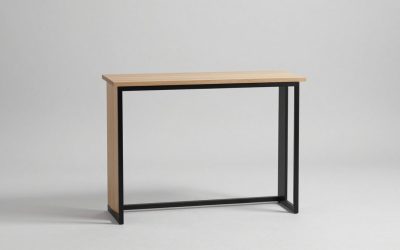
ChooChoo 39" Narrow Entryway Table with Drawer, Espresso
Chosen because it specifies Espresso.
View on Amazon| Placement | Height | Depth | Width rule |
|---|---|---|---|
| Behind a sofa | Sofa back height or 1–2 in below | 12–16 in | Sofa length minus 6–12 in |
| Entryway / hallway | 30–34 in (natural hand-drop height for keys) | Hallway width minus 36 in walkway | 36–48 in fits most foyers |
| Dining room (as a buffet) | 34–36 in | 14–18 in | Wall length minus 24 in for drawer pull-out |
Two measurements buyers skip: door swing and drawer clearance. An entry door sweeps an arc roughly equal to its own width, so keep the table out of that arc by 4–6 in. And a drawer extends 10–12 in when open—if your console faces a narrow corridor, full-extension drawers need roughly 24 in of free space in front of them to actually use.
Solid wood vs veneer vs engineered wood: the real trade-offs
The dark brown stain often hides what a table is made of, so check the spec sheet for the substrate, not just the finish name.
| Construction | Typical price | Realistic lifespan | Can you refinish it? | What fails first |
|---|---|---|---|---|
| Solid hardwood (acacia, mango, oak, pine) | $450–$1,200 | 15–30+ years | Yes, multiple times | Finish wear on the top surface |
| Wood veneer over plywood or MDF | $200–$600 | 8–15 years | Light touch-ups only | Edge banding chips, exposing pale core |
| Laminate / particleboard | $80–$250 | 3–7 years | No | Drawer bottoms sag, seams swell with water |
| Metal frame + wood shelves | $150–$500 | 10+ years (frame) | Shelves only | Shelf fasteners loosen, causing wobble |
Solid wood is the only option you can sand and re-stain, which matters because dark finishes show water rings as pale ghost marks. The trade-offs: a 48-in solid acacia console weighs 70–120 lb, and boards expand and contract—hairline gaps at joints during dry winters are normal, not defects.
Veneer is real wood on the surface, so the grain reads authentic, and the engineered core resists warping better than solid planks. Its weakness is edges: once banding peels or a corner chips, the pale substrate shows through dark brown dramatically, and there is nothing to sand down to. Budget-conscious flat-pack lines like IKEA’s dark-stained options sit in this tier and are reasonable value if the piece lives in a low-traffic spot.
Laminate over particleboard is fine for a rental or staging, but treat the top as disposable—one plant leak into a seam causes permanent swelling. Shelves under about 30 lb of books will visibly sag within a couple of years.
Drawer, shelf, and cabinet configurations
- Two small drawers + open lower shelf is the most versatile layout for entryways: drawers swallow keys, mail, and sunglasses; the shelf holds baskets or shoes.
- Three or more drawers suits dining rooms where you’re storing linens and serveware—look for dovetail joints and ball-bearing metal glides rated for 25–50 lb per drawer. Waxed wood runners are quieter but stick in summer humidity and carry less.
- Cabinet doors hide visual clutter best, but interior shelves on budget units are often fixed—confirm adjustability if you want to store tall items.
- Basket-on-shelf plans: measure the vertical clearance, not the shelf width. Most lower shelves offer only 9–13 in of height, and standard 11-in cube bins frequently just miss fitting.
- Drawer interiors run small: a drawer with a 12-in face typically gives you 9–10 in of usable width and 2–3 in of depth. Assume the face lies by about 2 in in each dimension.
Matching dark brown to your floors and sofa
The rule that prevents clashing: match undertone, not shade. Dark brown furniture comes in four undertones—espresso (near-black, neutral-cool), walnut (warm, faintly red), mahogany/cherry (clearly red), and weathered dark oak (gray-brown). A walnut console under cool gray-brown floors looks accidental even though both are “dark brown.”
Against your floors: if your floor is already dark, don’t buy a matching dark table—it will visually merge into a brown block. Either go two shades lighter, pick a piece with black or metal legs that break up the silhouette, or place a light runner beneath it. On light oak or pale laminate floors, any dark brown works; espresso looks the most modern.
Against your sofa: gray and charcoal upholstery pairs best with espresso or cool-toned dark brown. Cream and beige sofas want the warmth of walnut. The trap is a brown leather sofa with a walnut console—two mid-tone warm browns flatten each other, so go noticeably darker (espresso) or lighter (rustic oak) instead. Navy and forest-green sofas both sit comfortably next to walnut.
When the room is already dark: a brown and white console table—a dark brown top over a white painted base or white drawer fronts—solves the heaviness problem in small foyers and north-facing rooms. The two-tone design echoes white trim, wainscoting, or kitchen cabinetry nearby, which is why the style dominates farmhouse and coastal interiors. Practically, the dark top hides water rings and scuffs where they happen most, while the white base keeps sightlines light. The trade-off: white paint at floor level shows shoe scuffs, and dark tops show dust more than mid-tone wood—keep a microfiber cloth handy either way.
Which construction fits your situation
| Your situation | Best pick | Why |
|---|---|---|
| Narrow hallway under 48 in wide | Veneer or solid wood, ≤12 in deep, rounded corners | Preserves the 36-in walkway; rounded corners survive hip bumps |
| Kids and pets | Solid wood or thick veneer + wall anchor kit | Laminate corners chip into sharp edges; open drawers become climbing steps |
| Renter / moves every few years | Veneer flat-pack under 60 lb | Survives one or two disassemblies; solid wood often needs two movers |
| Small apartment, behind sofa | Open shelf or front-facing drawers, sofa length minus 6–12 in | No pull-out clearance needed against the sofa |
| Serious storage (linens, serveware, board games) | Solid wood, dovetail drawers, ball-bearing glides | Drawers rated 25–50 lb each; cheap glides fail under load |
| Dark room, worried it will look heavy | Brown and white two-tone, or dark brown with open legs | White base or visible floor underneath keeps the piece visually light |
Delivery, assembly, and what wears out first
Flat-pack consoles in the 48–60 in range ship in boxes roughly 60–70 in long but only 6–10 in thick and 45–85 lb heavy—they clear any standard 30-in doorway flat, but won’t bend around tight stairwell landings. Pre-assembled solid wood pieces weigh 90–150 lb and genuinely require two people; through a 30-in door they’ll need tilting, and turning one in a 36-in hallway takes patience.
Budget 45–90 minutes for assembly; drawer alignment is always the fussiest step, and thin hardboard back panels won’t tolerate leaning. In service, the first failures are predictable: drawer glides, edge banding on veneer, and the top’s finish where keys and mail land daily. Felt pads under décor, coasters under anything wet, and a wall anchor for any unit under 14 in deep (tip risk when drawers are open) will add years to whichever tier you buy.
Frequently asked questions
Will a dark brown console table make my small entryway feel smaller?
Only if it reads as a solid dark block. Choose legs over a plinth base, hang a mirror or lamp above it, or pick a brown and white two-tone piece—the visual floor space underneath matters more than the color itself.
Can I put a TV on a console table?
Usually not safely. Most console tops are rated for 50–100 lb of static décor weight, and at 12–16 in deep they’re too shallow for many TV pedestal feet. A dedicated TV stand is engineered for both the load and the cable management.
How many wood tones can one room handle?
Two to three, with each tone repeated at least twice in the room. A dark brown console, matching dark frames, and lighter oak floors is cohesive; four different browns at four different undertones is what reads as cluttered.