Key takeaways
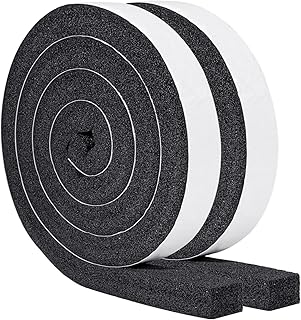
- Adhesive foam tape — Ideal for narrow gaps (up to about 1 inch). Products like the Yotache High Resilience Foam Tape or the simpler 1×1 inch High Density Foam Tape seal the contact points between the AC housing and window sash. High-resilience foam bounces back season after season, which matters if you remove and reinstall the unit each year.
- Rigid side panels — When your window is wider than the AC unit, the leftover side space needs something solid. A 2-Pack Window Air Conditioner Side Panel kit gives you pre-cut foam panels that slide into place, blocking summer heat and winter drafts without sagging.
- Universal window seal kits — Portable AC owners often overlook the exhaust hose connection. The HOOMEE Universal Window Seal uses a zip-and-adhesive fastener that creates a clean barrier around the hose opening, keeping conditioned air inside and outdoor air locked out.
- Film-style sealing tape — For irregular surfaces or textured frames, a heavy-duty film tape like the SWRT 20 Mil Weather Sealing Tape molds to contours better than rigid foam and removes without residue when the season ends.
What's inside
Every window AC unit comes with a dirty secret the box never mentions: the gap between the unit and your window frame is actively working against you. Cool air escapes, hot air creeps in, and your electricity bill quietly doubles what it should be. Proper sealing isn’t just about comfort — it’s the single highest-return step you can take after installation, and most people skip it entirely.
In this guide you’ll learn exactly where air leaks happen, which sealing materials match each situation, and how to get a tight, clean-looking result without turning your living room into a construction zone. We’ll walk through foam tapes, side panels, and window seal kits, and recommend a few well-reviewed products that make the job straightforward.
As an Amazon Associate we earn from qualifying purchases.




🛒 Best Price Today on Amazon
Prime members get fast, free shipping on everything above, plus member-only deals. New members get a 30-day free trial — cancel anytime.
Understand Where Air Leaks Happen
Before buying anything, look at your installed AC unit from inside the room. You’ll typically find gaps in three places: along the top and bottom sashes where glass meets the unit’s housing, on both sides where the accordion panels (or empty space) meet the window frame, and at any irregular spots where an older window doesn’t sit perfectly square. Each gap type calls for a slightly different fix. Narrow cracks between glass and metal respond well to adhesive foam tape, while larger side voids need rigid panels or cut-to-fit insulation. Identifying the problem first saves you from buying the wrong product and peeling it back off the next day.
Choose the Right Sealing Material
Not all weatherstripping is interchangeable. Here’s a quick breakdown:
- Adhesive foam tape — Ideal for narrow gaps (up to about 1 inch). Products like the Yotache High Resilience Foam Tape or the simpler 1×1 inch High Density Foam Tape seal the contact points between the AC housing and window sash. High-resilience foam bounces back season after season, which matters if you remove and reinstall the unit each year.
- Rigid side panels — When your window is wider than the AC unit, the leftover side space needs something solid. A 2-Pack Window Air Conditioner Side Panel kit gives you pre-cut foam panels that slide into place, blocking summer heat and winter drafts without sagging.
- Universal window seal kits — Portable AC owners often overlook the exhaust hose connection. The HOOMEE Universal Window Seal uses a zip-and-adhesive fastener that creates a clean barrier around the hose opening, keeping conditioned air inside and outdoor air locked out.
- Film-style sealing tape — For irregular surfaces or textured frames, a heavy-duty film tape like the SWRT 20 Mil Weather Sealing Tape molds to contours better than rigid foam and removes without residue when the season ends.
Prep the Surface Before You Seal
This step takes ten minutes and determines whether your seal lasts all summer or peels off in July. Wipe down every contact surface with rubbing alcohol and a lint-free cloth. Remove dust, old adhesive residue, and any window-grade grime. Let surfaces dry completely. Foam tape and adhesive-backed panels grip firmly only to clean, dry substrates — if you skip this, the adhesive fails under the thermal cycling that window AC units constantly experience.
Install the Seals Methodically
Start from the top and work downward. Press foam tape along the upper sash first, then seat the AC unit so its weight compresses the tape evenly. Next, address the sides with panels or additional foam, checking from outside that no daylight is visible through the gaps. For the bottom rail, run a final strip of tape along the sill beneath the unit. Tighten any window locks — they pull the sashes together and improve the seal at no extra cost. If you’re using the BLACK+DECKER BWAC12WTB or a similar 12,000 BTU unit, its pre-installed side panels handle most of the lateral gap, but an extra strip of Yotache foam along the frame edge closes micro-gaps those panels miss.
Seal the Back Side Too
People obsess over the indoor-facing seals and forget the室外 exposure. If your window opens onto a windy side of the house, cold-season drafts can push through the unit’s rear chassis. A simple length of SWRT film tape across the exterior gap between the AC housing and the storm window (if present) adds meaningful insulation with almost no visual impact. For portable units, double-check that the HOOMEE or similar exhaust-hose seal kit sits flush against the window frame — any overlap creates a vent that defeats the whole purpose.
Tips
- Run your hand slowly around every edge after installation. Your fingertips will catch air leaks your eyes miss.
- Replace foam tape every two seasons even if it looks fine — UV exposure and temperature swings degrade adhesive gradually.
- Use painter’s tape to temporarily position panels and foam before committing with the permanent adhesive backing.
- If your window frame is painted wood, test the adhesive on a hidden spot first to avoid pulling paint when you remove the tape in fall.
Frequently Asked Questions
How thick should foam tape be for a window AC unit?
For most modern window units, 1-inch-thick foam tape (like the 1×1 inch High Density Foam Stripe) handles the standard sash-to-housing gap. If your window frame sits unusually far from the unit body, step up to 1.5-inch tape or double-stack two thinner layers.
Can I seal a window AC without the accordion side panels?
Yes. Rigid side panel kits or even heavy cardstock lined with foam tape can fill the space. The key is blocking airflow — material stiffness matters less than a complete, gap-free surface.
Will sealing tape damage my windows?
Quality adhesive tapes like Yotache and SWRT are designed for residue-free removal. The risk is highest on older latex paint or varnished wood. Test a small section first, and remove the tape slowly at a low angle at the end of the season.
How often should I re-seal my window AC unit?
A full inspection and re-taping once per season is plenty for most climates. If you notice visible gaps, increased noise from outside, or higher energy bills mid-season, spot-seal the problem areas immediately rather than waiting.
Conclusion
Sealing a window air conditioner properly takes under an hour, costs very little, and pays you back every day your unit runs. Identify your gaps, match the right material to each one, prep your surfaces, and install carefully. The difference in comfort and energy cost between a poorly sealed unit and a properly sealed one is something you’ll feel from day one.