Key takeaways
- Clean at the start and end of the season. A quick once-over before summer and a thorough flush before winterizing prevents year-over-year buildup.
- Keep a small spray bottle of vinegar solution in your cleaning kit. A light mist on the coils after every deep clean slows mold growth between service sessions.
- Never use a pressure washer. The fins are thin aluminum and a high-pressure blast will flatten them — stick to low-pressure sprayers or aerosol foam.
- Label your fin comb size. Mark which comb matches your coil so you’re not guessing next year; a piece of masking tape on the handle works perfectly.
What's inside
A window air conditioner that runs all summer without a single cleaning session is like a car that never gets an oil change — it’ll keep going, but not efficiently, not quietly, and probably not for as long as you’d hope. Dust, pet hair, mold spores, and grime accumulate on the evaporator coils and condenser fins faster than most people realize, choking airflow and forcing the compressor to work harder than necessary. The result is higher energy bills, weaker cooling, and air that smells faintly stale no matter how clean the rest of the room is.
The good news is that cleaning a window AC is genuinely straightforward once you know which parts actually need attention and which products make the job easier instead of messier. This guide walks you through the full process — from shutting the unit down safely to choosing the right coil cleaner — so you can knock out annual maintenance in an afternoon with tools you’ll reuse every season.
As an Amazon Associate we earn from qualifying purchases.




🛒 Best Price Today on Amazon
Prime members get fast, free shipping on everything above, plus member-only deals. New members get a 30-day free trial — cancel anytime.
Unplug and Prepare the Unit
Before touching anything inside, disconnect the unit from power completely. If your window AC has a quick-release slide-out chassis, pull it forward and set it on a stable surface with a drop cloth beneath. For units that stay mounted, flip the front grille open and remove the filter. Lay down an old towel or shallow tray beneath the coils to catch runoff. The Oiktylr Mini Split Cleaning Kit includes a waterproof bag that wraps around the chassis and funnels dirty water into a collection basin — especially handy if your unit is still installed in the window and you’d rather not soak the sill.
Clean the Filter First — It’s the Easiest Win
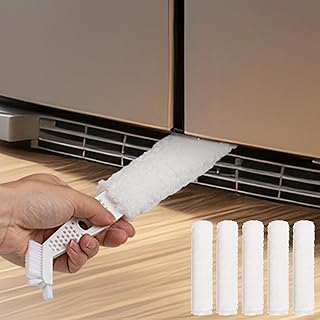
This is the step most people skip, and it’s the one that makes the biggest immediate difference. A clogged filter restricts airflow across the evaporator coil, which drops cooling performance and can cause the coil to freeze up. Rinse it under warm running water with a drop of mild dish soap, then let it air-dry completely before sliding it back in. If the filter is paper or charcoal-based (check the edge for a label), don’t submerge it — tap it gently or use a soft brush instead. A basic 3-piece AC fin comb cleaning tool set works well here too; the small nylon brush attachment fits right between filter pleats without tearing them.
Tackle the Coils Without Damaging the Fins
The evaporator coil (behind the filter) and the condenser coil (on the back or outside-facing side) are where grime really packs in. A foaming AC coil cleaner — either a 38oz can for routine seasonal touch-ups or a larger 57oz can for units that haven’t been cleaned in a while — expands on contact and pushes dirt out from between the aluminum fins. Spray it on, let it sit for the time listed on the label (usually 10–15 minutes), and the foam carries debris downward into your drip tray. Arm & Hammer Biodegradable HVAC Coil Cleaner is a solid choice if you prefer a formula that breaks down without leaving harsh residue. Just make sure you’re spraying the right side: evaporator coils get the foaming cleaner; condenser coils usually just need a rinse with a garden hose or a spray bottle of diluted cleaner.
Straighten Any Bent Fins
Aluminum fins are delicate and bend easily — especially on units that have been jostled during removal or storage. Bent fins block airflow and reduce the coil’s ability to exchange heat. A 3-piece fin comb set includes combs with different fin-per-inch spacings (typically 8, 12, and 16 FPI), so you can match your coil’s density and gently comb them back into alignment. Run the comb downward in smooth strokes without forcing it. A few bent fins won’t ruin your summer, but tidying them up makes the cleaning job count for more.
Dry Everything Before Reassembly
Moisture left inside the housing after cleaning is an open invitation for mold. Let the coils air-dry for at least 30 minutes, or speed things up with a small fan aimed at the open chassis. Wipe down the interior housing with a cloth dampened in a 50/50 white vinegar-water solution — it inhibits mildew without harsh fumes. Once everything is dry, reassemble the filter, slide the chassis back in or close the front panel, and run the unit on cool for a few minutes to confirm airflow feels strong and smells clean.
Tips
- Clean at the start and end of the season. A quick once-over before summer and a thorough flush before winterizing prevents year-over-year buildup.
- Keep a small spray bottle of vinegar solution in your cleaning kit. A light mist on the coils after every deep clean slows mold growth between service sessions.
- Never use a pressure washer. The fins are thin aluminum and a high-pressure blast will flatten them — stick to low-pressure sprayers or aerosol foam.
- Label your fin comb size. Mark which comb matches your coil so you’re not guessing next year; a piece of masking tape on the handle works perfectly.
Frequently Asked Questions
How often should I clean my window AC?
Rinse the filter once a month during peak-use months. A full coil cleaning twice a year — once before cooling season and once before storing — keeps everything running efficiently. Units in dusty environments or homes with pets may need more frequent attention.
Can I clean a window AC without removing it from the window?
Yes, though it’s messier. Open the front panel, remove the filter, and use a towel-and-tray setup or a bag-style cleaning kit to catch runoff. Foaming coil cleaners do most of the work, and you can drain them through the front without pulling the chassis out.
Do I need to rinse the coil cleaner off afterward?
Most no-rinse foaming cleaners are designed to drain through the unit’s existing condensate channel, so there’s no extra rinse step. Check the product label — if it says “no rinse,” trust it. For aerosol cleaners like Arm & Hammer’s, simply wait for the foam to dissolve and drain naturally.
What’s the best way to store a window AC in winter?
After a thorough cleaning and full dry-down, cover the front with a plastic bag or dedicated AC cover and store the unit in a dry area. Avoid sealing it in airtight plastic while still damp — trapped moisture causes corrosion. A breathable furniture cover works better than shrink wrap for this reason.
Conclusion
Window air conditioners are simple machines, and a solid cleaning routine takes less than an hour once you have the right supplies on hand. Do it twice a year, store the unit properly, and you’ll get noticeably better cooling, lower electric bills, and air that actually smells fresh instead of vaguely musty. It’s the kind of small maintenance habit that quietly pays for itself every summer.