Key takeaways
- Clean clockwise: Always work in the same rotational direction around the fan. It keeps you systematic and prevents you from re-dusting a blade you’ve already done.
- Shake the duster outside: After each session, step outside and give the microfiber head a firm shake or beat it against a trash can to release trapped dust before storing it.
- Wash before you start: A freshly laundered microfiber duster (warm water, no fabric softener) performs noticeably better than one that’s already loaded with old dust.
- Time it with seasonal changes: Build a fan-dusting habit at the start and end of each season you run the fan. Two thorough cleanings a year keep the blades from reaching that stubborn, caked-on stage.
What's inside
Every time your ceiling fan spins up, it launches a thin film of dust across your room—settling on furniture, triggering allergies, and quietly degrading air quality. The real problem isn’t the dust itself; it’s that most people tackle it with a wadded-up rag and a kitchen chair, which wastes time, makes a mess, and often misses the tops of the blades where the buildup is worst. A purpose-built fan duster paired with a simple technique turns a dreaded chore into a five-minute win.
In this guide, we’ll walk through exactly how to clean a ceiling fan efficiently and safely—no ladder required. You’ll learn what to look for in a fan cleaning tool, the step-by-step process that keeps dust off your floors, and a few tricks that keep fans cleaner longer. We’ve also rounded up our recommended picks, which are linked below, to help you find the right fit for your ceiling height and fan size.
As an Amazon Associate we earn from qualifying purchases.



🛒 Best Price Today on Amazon
Prime members get fast, free shipping on everything above, plus member-only deals. New members get a 30-day free trial — cancel anytime.
Why a Dedicated Fan Duster Beats Alternatives
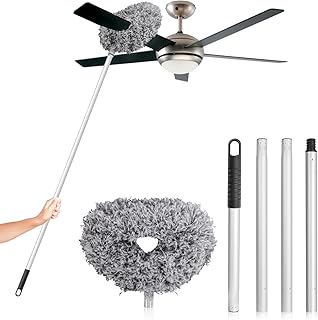
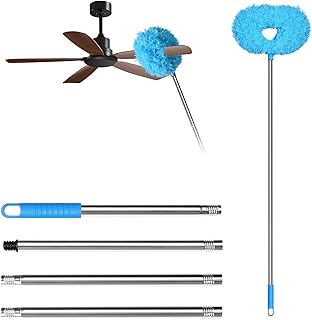
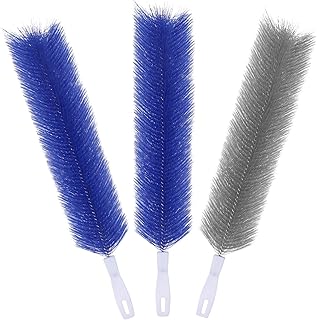
A bendable microfiber duster is engineered to hug flat fan blades on both sides simultaneously. Sheets, socks, or a standard feather duster either can’t reach the top surface or push dust into the air rather than trapping it. Microfiber’s split fibers generate a mild static charge that grabs particles on contact, so a good fan duster removes up to 99 percent of dust without chemical sprays. Tools like the DRQ Ceiling Fan Cleaner or the FONUNO model offer extension poles that keep both feet on the floor, which is the single biggest safety upgrade you can make.
Choosing the Right Tool for Your Setup
Before you buy, measure two things: your ceiling height and the distance from the fan to the floor. Most ceilings sit at eight or nine feet, and the average fan hangs about seven feet from the ground. A duster that extends to 48–50 inches—the range offered by models such as the Storystore Cleaner Duster and the Eyliden 68″ Adjustable Fan Duster—gives you enough reach to work comfortably from standing height. If you have vaulted ceilings above ten feet, prioritize a tool with a longer pole or a lightweight head like the Eyliden, which weighs under a pound and won’t fatigue your arms overhead. For standard rooms, any of the mid-range extension dusters will handle the job well.
Step-by-Step: How to Dust a Ceiling Fan Properly
Step 1: Turn the fan off and wait for the blades to stop completely. Lay a drop cloth, old sheet, or a few layers of newspaper beneath the fan to catch falling debris.
Step 2: Extend your duster to a length that lets you comfortably reach the blade tips while standing. Bend the microfiber head into a gentle “U” shape that cradles both sides of one blade.
Step 3: Starting from the motor housing, pull the duster outward along the blade in one smooth stroke. The microfiber will trap dust rather than scattering it.
Step 4: Rotate the fan by hand to position the next blade overhead, then repeat. Work around in one direction so you don’t lose track.
Step 5: After all blades are done, give the motor housing and light fixture a quick pass. Fold the drop cloth inward, bundle it up, and carry it outside to shake or vacuum the debris.
Keeping Fans Cleaner Between Deep Cleanings
Dust accumulates fastest on the leading edge of each blade—the side that cuts through the air first. Running a dry microfiber cloth over the blades every two weeks slows buildup dramatically. In homes with pets or during allergy season, you can lightly mist the duster head with water before a weekly pass; the slight dampness captures finer particles without risking moisture damage to the motor. Some people apply a thin layer of liquid furniture polish to freshly cleaned blades; it creates a slick surface that makes the next round of dust easier to wipe away.
Safety Considerations Worth Noting
Never stand on a swivel chair or an unsteady surface to reach a fan. Extension-handle dusters like those from Eyliden and FONUNO are specifically designed to eliminate that risk. If your fan has a pull chain, tuck it out of the way before you start so the duster doesn’t catch it. And avoid spraying cleaning solutions directly onto the fan—liquid dripping into the motor housing can cause electrical issues or rust over time.
Tips
- Clean clockwise: Always work in the same rotational direction around the fan. It keeps you systematic and prevents you from re-dusting a blade you’ve already done.
- Shake the duster outside: After each session, step outside and give the microfiber head a firm shake or beat it against a trash can to release trapped dust before storing it.
- Wash before you start: A freshly laundered microfiber duster (warm water, no fabric softener) performs noticeably better than one that’s already loaded with old dust.
- Time it with seasonal changes: Build a fan-dusting habit at the start and end of each season you run the fan. Two thorough cleanings a year keep the blades from reaching that stubborn, caked-on stage.
Frequently Asked Questions
How often should I dust my ceiling fan?
Most homes need a full cleaning every three to four months. Houses with shedding pets, open windows, or allergy sufferers may benefit from monthly touch-ups. A quick pass with a dry microfiber cloth can be done weekly without much effort.
Can I use a regular feather duster instead of a microfiber one?
A feather duster can knock loose visible dust, but it tends to scatter fine particles into the air rather than trapping them. Microfiber’s electrostatic properties hold dust in the material, making it the better choice for anyone concerned about air quality or allergens.
Will an extension duster scratch my fan blades?
Soft microfiber heads are gentle on virtually all fan finishes, including painted wood, metal, and lacquered surfaces. Just avoid pressing too hard or using a duster with any exposed wire or plastic clip near the blade surface.
What if my ceiling is too high for a standard extension pole?
For ceilings above ten or eleven feet, look for a duster that extends past 60 inches, such as the Eyliden model, or pair a telescoping pole with a detachable microfiber head. You can also purchase pole extensions separately from most duster manufacturers.
Conclusion
Dusting a ceiling fan doesn’t have to be a balancing act or a sneeze-filled ordeal. A well-chosen microfiber duster with an extension handle, paired with a simple five-step routine and a drop cloth, makes the whole process fast, clean, and safe. Pick the tool that matches your ceiling height, make it a seasonal habit, and you’ll notice the difference in both your air quality and how long your fan stays clean between sessions.