Key takeaways
- Keep white towels nearby for spills; colored cloths can transfer dye to damp wool.
- Lift furniture rather than dragging it across the rug, and use protectors under heavy legs.
- Rotate the rug every few months to even out sunlight and foot traffic.
- Let a cleaned rug dry completely before replacing furniture or walking on it regularly.
What's inside
A wool rug brings warmth, texture, and a quieter feel to a room, but it is not a miniature version of wall-to-wall carpet. Wool fibers naturally shed, hold moisture differently, and can felt or release dye when treated too aggressively. The safest cleaning method is usually a careful, low-moisture routine rather than a soaking wash or repeated pass with a powerful carpet machine.
This guide explains how to clean a wool rug at home, from routine vacuuming and dry powder treatments to handling spills and choosing a suitable wash for washable wool or sheepskin. It also covers the products worth considering, when a professional cleaner is the better choice, and the small mistakes that can permanently change a rug’s texture or color.
As an Amazon Associate we earn from qualifying purchases.



🛒 Best Price Today on Amazon
Prime members get fast, free shipping on everything above, plus member-only deals. New members get a 30-day free trial — cancel anytime.
1. Check the Rug Before Cleaning
Start by reading the care label and identifying the rug’s construction. A flat-weave wool rug is generally easier to maintain than a thick, hand-knotted pile. Sheepskin, shag, antique, hand-dyed, and heavily fringed rugs need extra caution. If the rug has a delicate backing, loose seams, unstable dye, or sentimental value, professional cleaning is the safest route.
Test every product first. Mix or apply a small amount according to its directions on an inconspicuous corner, then blot with a white cloth. Look for color transfer, fuzzing, stiffness, or a change in the pile after the area dries. Avoid chlorine bleach, ammonia, strong alkaline cleaners, stiff household brushes, and steam unless the manufacturer specifically approves them.
2. Remove Dry Dirt First
Take the rug outdoors only if it is manageable and the weather is dry. Otherwise, leave it in place and vacuum slowly. Use suction rather than an aggressive rotating brush, particularly on a high-pile or hand-knotted rug. Vacuum both sides when practical: grit often works through the backing and acts like sandpaper against the fibers.
For fringed rugs, vacuum from the center toward the edge and avoid catching the fringe in the beater bar. A rug rake or a gentle upholstery attachment can lift surface debris without pulling loops. Regular vacuuming is the most effective way to reduce wear because soil left in the pile is harder on wool than careful, occasional cleaning.
3. Treat Spills Quickly and Carefully
For a fresh spill, lift solids with a spoon and immediately blot liquid with clean white towels. Work from the outside of the spot toward the center so it does not spread. Do not scrub: friction can roughen wool, push the stain deeper, and create a permanently lighter-looking patch.
Use as little moisture as possible. Dampen a cloth with cool water, press and lift, then switch to a dry towel. If water alone does not work, use a wool-safe cleaner sparingly after testing it. Bissell Woolite Advantage Heavy Traffic Carpet Foam 4 Pack, 3320, and BISSELL Woolite Advantage Carpet & Upholstery Cleaner 4 Pack, 3325, can be useful for suitable spot-cleaning jobs, but follow the label and avoid saturating the rug. Foam should be applied to the cloth or used lightly—not worked deep into the backing.
4. Choose Between Dry and Damp Cleaning
For general refreshment, a dry-cleaning powder is often the lowest-risk home option. Capture Carpet & Rug Dry Cleaner Carpet Deodorizer & Freshener Powder is designed to be brushed into carpet and vacuumed out, helping with light soil and odor without introducing much water. Confirm that the rug’s care instructions permit the product, test first, and vacuum thoroughly so powder does not remain in the pile.
Do not assume every wool rug can be washed. If the label permits washing, use a cool-water, wool-specific wash and avoid twisting or wringing. Outback Gold Wool Wash is a fragrance-free, enzyme-free, pH-neutral option made for materials including wool, cashmere, silk, and sheepskin. It is more appropriate for a washable item or a controlled hand-washing process than a generic laundry detergent. Keep the rug flat, support it fully while wet, and dry it promptly away from direct heat and strong sun.
5. Handle Sheepskin and Long Pile Gently
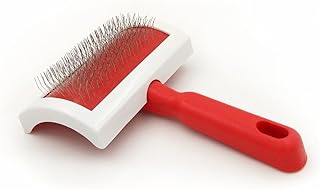
Sheepskin should not be treated like a standard wool rug. Shake it gently, vacuum with low suction, and use a soft brush to separate the fibers after cleaning. A Sheepskin Cleaning Brush for Rugs & Throws by CleanSheep or the MetU Sheepskin Rug Brush can help restore loft, but use short, light strokes and stop if the fibers begin pulling.
Never soak a sheepskin unless its care instructions specifically allow it. The hide backing can become hard, misshapen, or cracked as it dries. If a full clean is required, use a specialist sheepskin cleaner or a professional service familiar with leather-backed rugs. Air-dry flat, reshape while damp, and keep the rug away from radiators, hair dryers, and heated floors.
Tips
- Keep white towels nearby for spills; colored cloths can transfer dye to damp wool.
- Lift furniture rather than dragging it across the rug, and use protectors under heavy legs.
- Rotate the rug every few months to even out sunlight and foot traffic.
- Let a cleaned rug dry completely before replacing furniture or walking on it regularly.
Frequently Asked Questions
Can I steam-clean a wool rug?
Usually, not without approval from the rug maker. Steam cleaning introduces heat and moisture that can cause shrinkage, dye bleeding, felting, or backing damage. Check the label and machine manufacturer’s guidance first; professional low-moisture cleaning is safer for valuable rugs.
How often should I clean a wool rug?
Vacuum high-traffic rugs weekly and less-used rugs every one to two weeks. Spot-clean spills immediately. A deeper refresh may be needed once or twice a year, depending on traffic, pets, shoes, and indoor air quality.
Why does my wool rug shed after cleaning?
Some shedding is normal, especially with a new rug or a cut-pile design. It should gradually decrease with gentle vacuuming. Excessive shedding, bald areas, or loose loops can indicate aggressive brushing, a damaged construction, or an unsuitable cleaning method.
When should I hire a professional?
Choose a professional for antique, hand-dyed, oversized, heavily stained, water-damaged, or expensive rugs. Professional cleaning is also advisable when the rug has a delicate backing, persistent odor, or a stain that has reached the foundation.
Conclusion
The best way to clean a wool rug is to prevent embedded grit, blot spills quickly, use minimal moisture, and match the cleaner to the rug’s construction. Gentle vacuuming and careful spot treatment will handle most routine messes; dry powder can refresh suitable rugs, while washable wool and sheepskin require specialized products and drying. When in doubt, a small test and a professional opinion cost far less than repairing a shrunken or discolored rug.