Key takeaways
- General grime and light dirt: A concentrated all-purpose cleaner like Simple Green Oxy Solve Total Outdoor Cleaner works well when diluted in a bucket. It’s EPA Safer Choice certified, which matters if your rug sits near a garden or lawn.
- Visible mildew or mold spots: You need something formulated specifically for organic growth. 30 SECONDS Outdoor Cleaner (hose-end sprayer) covers large rugs quickly, while the 30 SECONDS Ready-To-Use Spray is better for targeted spot treatment. Both attack mold at the root rather than just whitening the surface.
- Set-in algae or black streaks: Wet & Forget is bleach-free and requires zero scrubbing — you spray it on and let rain and wind do the work over time. Ideal for rugs you can’t easily move to a driveway or deck.
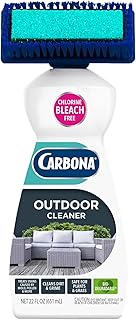
- Quick spot cleaning without hauling the whole rug outside: The Carbona Oxy Powered Outdoor Cleaner comes with a built-in brush head, so you can attack individual stains while the rug stays in place.
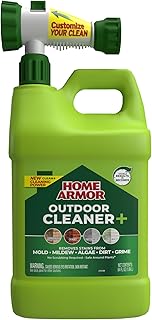
- Stubborn, deep-set stains: Home Armor Outdoor Cleaner+ delivers fast visible results on mold, algae, and grime without scrubbing — a solid choice when lighter products haven’t done the trick.
What's inside
An outdoor rug pulls a patio together like nothing else — it defines the seating area, softens hard surfaces, and actually makes you want to sit outside after dinner. But within weeks of honest use, that rug collects pollen, mildew streaks, muddy footprints, and whatever your dog dragged across it last Tuesday. Neglect it and you’re looking at permanent staining, a musty smell that won’t air out, and a rug you’ll toss into the trash far sooner than you should.
This guide walks you through the full cleaning process — from choosing the right product for your rug’s material to drying it properly so mildew doesn’t bounce back within a week. We’ve tested and compared the most popular outdoor cleaners on the market right now and narrowed it down to the ones that actually deliver. Below you’ll find our recommended picks, followed by a step-by-step breakdown, practical tips, and answers to the questions people ask most.
As an Amazon Associate we earn from qualifying purchases.



🛒 Best Price Today on Amazon
Prime members get fast, free shipping on everything above, plus member-only deals. New members get a 30-day free trial — cancel anytime.
Figure Out What You’re Working With
Before you reach for a cleaner, flip the rug over and check the care tag. Most outdoor rugs are polypropylene, which handles strong cleaners and scrubbing well. Natural-fiber outdoor rugs — jute, sisal, or cotton blends — need a gentler approach and should never sit in standing water. If the tag is sun-faded and illegible, test any cleaner on a hidden corner first and wait ten minutes to see how the fibers react. The colorfastness check takes almost no time and saves you from a bleached-out patch in the middle of your rug.
Choose the Right Cleaner for the Job
The cleaner you pick depends on what’s actually on the rug. Here’s a practical breakdown:
- General grime and light dirt: A concentrated all-purpose cleaner like Simple Green Oxy Solve Total Outdoor Cleaner works well when diluted in a bucket. It’s EPA Safer Choice certified, which matters if your rug sits near a garden or lawn.
- Visible mildew or mold spots: You need something formulated specifically for organic growth. 30 SECONDS Outdoor Cleaner (hose-end sprayer) covers large rugs quickly, while the 30 SECONDS Ready-To-Use Spray is better for targeted spot treatment. Both attack mold at the root rather than just whitening the surface.
- Set-in algae or black streaks: Wet & Forget is bleach-free and requires zero scrubbing — you spray it on and let rain and wind do the work over time. Ideal for rugs you can’t easily move to a driveway or deck.
- Quick spot cleaning without hauling the whole rug outside: The Carbona Oxy Powered Outdoor Cleaner comes with a built-in brush head, so you can attack individual stains while the rug stays in place.
- Stubborn, deep-set stains: Home Armor Outdoor Cleaner+ delivers fast visible results on mold, algae, and grime without scrubbing — a solid choice when lighter products haven’t done the trick.
Step-by-Step: The Full Clean
Start by sweeping both sides of the rug with a stiff broom to knock loose dry debris. Lay it flat on a hard surface — a driveway, deck, or concrete patio works fine. If it’s small enough, you can prop it at an angle so water runs off instead of pooling underneath.
Mix your chosen cleaner according to the label. Apply it evenly across the entire surface, not just the stained areas. Let it sit for the recommended dwell time — usually five to fifteen minutes. For polypropylene rugs, a soft-bristle brush or deck brush helps work the solution into the weave. Rinse thoroughly with a garden hose, starting from one end and pushing water toward the other so you’re not re-contaminating clean sections. Avoid pressure washers unless the rug is heavy-duty polypropylene; too much force can separate fibers.
Drying: The Step Most People Rush
A rug that stays damp for more than a day in shaded or humid conditions will grow mildew right back. Drape it over a fence railing, deck banister, or a sturdy clothesline so air circulates on both sides. On a sunny, breezy day you can realistically dry a medium outdoor rug in two to four hours. If you’re cleaning on a cloudy day, consider bringing it inside to a garage or laundry room with a fan running across it. Never roll up and store a rug that still feels cool to the touch — that coolness is moisture, and it’s exactly what mildew thrives on.
Tips
- Shake out your rug weekly. Thirty seconds with a broom or a good shake prevents the buildup that turns into a full cleaning project.
- Spray before you store. At the end of the season, treat the rug with a light application of a mildew-resistant cleaner and let it dry completely before rolling it up.
- Elevate it slightly. Rug pads or a simple layer of gravel under the edges promotes airflow and reduces moisture contact with the ground.
- Rotate every few months. Sun exposure fades one side faster than the other, and rotating evens out wear and UV damage.
Frequently Asked Questions
Can I clean my outdoor rug without taking it off the patio?
Yes, but it’s messier. Prop one edge up with a board so water can drain, apply your cleaner, scrub gently, and rinse with a hose. The main trade-off is that dirty water will run onto your patio surface, so you’ll want to rinse the hardscape afterward too.
How often should I deep-clean an outdoor rug?
Twice a season works for most people — once when you set the rug out in spring and once mid-summer. In coastal or heavily shaded areas where mildew grows fast, monthly spot treatments keep things in check between deep cleans.
Will bleach damage my outdoor rug?
It can. Chlorine bleach can break down polypropylene fibers over repeated use and will definitely strip color from dyed rugs. Stick with oxygen-based or bleach-free formulas like Wet & Forget or Simple Green Oxy Solve for anything you care about keeping.
My rug smells even after cleaning. What now?
The smell means mildew is still embedded deep in the fibers. Soak the rug in a mixture of water and a mildew-specific cleaner like 30 SECONDS for the full recommended time, rinse aggressively, and dry it in direct sunlight. If the odor persists after two rounds, the rug’s backing may have absorbed moisture permanently — at that point replacement is usually more practical than another attempt.
Conclusion
A clean outdoor rug takes fifteen minutes of real work and the right product for the stain. Pick a cleaner that matches what you’re dealing with, give it proper dwell time, rinse well, and dry it completely. Do that twice a season and your rug stays fresh, odor-free, and firmly out of the landfill for years.