Our Top Picks
 ProCom Heating Liquid Propane Ventless Infrared Plaque Heater10000 BTU6.4 x 17 x 23 InchesCheck on Amazon
The best ventless propane heater in this set depends on the size of the space, whether you need a thermostat, and which fuel you plan to burn. The two Mr. Heater blue flame propane models with thermostat features are the most fully specified in the titles, the ProCom 10,000 BTU plaque and ice house models suit small rooms, and two listings are natural gas rather than propane, so they do not match the keyword. Treat ventless heaters as appliances that need careful sizing, a carbon monoxide alarm and compliance with local rules before you buy.
Top picks at a glance
ProCom Heating Liquid Propane Ventless Infrared Plaque Heater With Base Feet - 10,000 BTU, T-Stat Control - Model# ML100TPA-B
One of the home product options compared in this guide.
View on Amazon
Mr. Heater 30,000 BTU Vent Free Radiant Dual Fuel Heater
One of the home product options compared in this guide.
View on Amazon
ProCom Heating Liquid Propane Ventless Blue Flame Heater With Base Feet - 20,000 BTU, Manual Control - Model# ML200HBA-B
One of the home product options compared in this guide.
View on Amazon
Mr. Heater 30,000 BTU Vent Free Blue Flame Natural Gas Heater
One of the home product options compared in this guide.
View on Amazon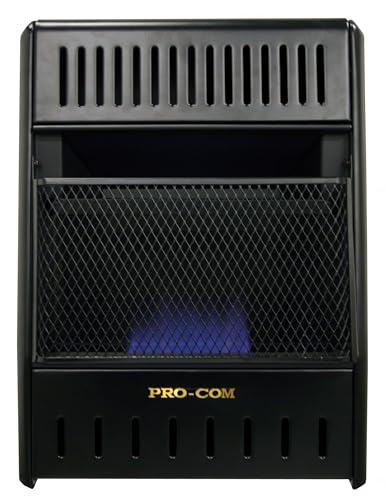
ProCom Liquid Propane Ventless Ice House Heater - 10,000 BTU, T-Stat Control - Model# ML100TBAHR
One of the home product options compared in this guide.
View on Amazon
Mr. Heater 30,000 BTU Vent Free Blue Flame Dual Fuel Heater
One of the home product options compared in this guide.
View on Amazon
Mr. Heater 30,000 BTU Vent Free Radiant Propane Heater
One of the home product options compared in this guide.
View on AmazonProCom Heating Natural Gas Ventless Infrared Plaque Heater With Base Feet - 10,000 BTU, T-Stat Control - Model# MN100TPA-B
One of the home product options compared in this guide.
View on AmazonMr. Heater 30,000 BTU Vent Free Blue Flame Propane Heater | Heats up to 750 Sq. Ft., ODS Auto Shut-Off, Thermostat, Electronic Ignition, Wall or Floor Mount, No Venting Required
One of the home product options compared in this guide.
View on Amazon
BILT HARD Ventless Infrared Radiant Space Propane Heater with Thermostat Control, 28000 BTU Propane Wall Heater with Wall Mount and Base Feet for Indoor Use, Piezo Ignition, Heats Up to 1300 Sq. Ft.
One of the home product options compared in this guide.
View on Amazon| Model | Key point from title | Price tier | Best for |
|---|---|---|---|
| ProCom ML100TPA-B (propane) | 10,000 BTU infrared plaque, T-stat | Budget | Small rooms, direct warmth |
| Mr. Heater 30,000 BTU Radiant Dual Fuel | Vent free radiant, dual fuel | Mid-range | Flexible fuel choice |
| ProCom ML200HBA-B (propane) | 20,000 BTU blue flame, manual control | Budget | Mid-size rooms, simple use |
| Mr. Heater 30,000 BTU Blue Flame (natural gas) | Natural gas, not propane | Premium | Natural gas homes only |
| ProCom Ice House ML100TBAHR (propane) | 10,000 BTU, T-stat | Budget | Small shelters |
| Mr. Heater 30,000 BTU Blue Flame Dual Fuel | Blue flame, dual fuel | Mid-range | Larger room, fuel flexibility |
| Mr. Heater 30,000 BTU Radiant Propane | Vent free radiant propane | Premium | Directional warmth |
| ProCom MN100TPA-B (natural gas) | 10,000 BTU plaque, natural gas | Budget | Natural gas homes only |
| Mr. Heater 30,000 BTU Blue Flame Propane | ODS, thermostat, electronic ignition, wall or floor | Mid-range | Best-specified propane pick |
| BILT HARD 28000 BTU Infrared Propane | Thermostat, piezo ignition, wall mount | Premium | Wall-mounted radiant |
What is changing in this category
Ventless gas heating sits in an unusual place: popular with owners of workshops, garages and cabins, yet heavily regulated. Several broad trends are worth understanding before you compare models. First, many manufacturers now describe their units with safety features at the front, such as an oxygen depletion sensor that shuts off the burner, because buyers ask about those features first.
Second, regulation varies by region and changes over time. Some places restrict unvented gas heaters in particular room types or ban them outright, and some insurers ask about them. Confirm the rules with your local authority and the manufacturer’s manual, and do not rely on a seller’s statement alone.
Third, buyers increasingly consider electric heaters as an alternative where fuel, ventilation or codes are a worry. Electric units produce no combustion byproducts indoors, though they cost more to run in many areas. If you want that option, our roundup of space heaters with automatic shut-off covers it.
Fourth, the market mixes fuel types in near-identical product names. Propane, natural gas and dual-fuel versions of the same model line can all appear in search results, as they do in this set. The fuel decides which orifice and regulator the heater needs, so a wrong choice is not a small mistake. Read the fuel line first.
How we picked these
The Editorial team compared the ten listings using published specifications, manufacturer documentation and buyer reviews, and described each one using only what its title states. Where a title is silent, the article tells you to check the listing. Price tiers are relative within this set. Nobody on the team used or measured these units. Treat BTU and coverage figures as seller claims, and have a qualified professional handle any gas work.
The ten listings, one by one
ProCom ML100TPA-B, 10,000 BTU infrared plaque (propane)
The title describes a liquid propane ventless infrared plaque heater with base feet, 10,000 BTU and thermostat control. It is the smaller of the ProCom propane models and one of the lowest tiers in the set, which makes it a candidate for a small room such as a tiny shop or a sunroom corner.
Picture a 150 to 250 square foot space where you want focused warmth near a workbench. That coverage is an estimate drawn from the BTU figure, not a stated claim.
- Pros: low tier; thermostat control; compact output.
- Cons: limited capacity; ventless combustion indoors; mounting details unstated.
Check the listing for the gas inlet type, ignition method and safety shut-off wording. Question to ask: does the manual restrict use in the room type you have in mind?
Mr. Heater 30,000 BTU Vent Free Radiant, dual fuel
This listing names a 30,000 BTU vent-free radiant heater that runs on either of two fuels. The title does not say which, so confirm they are natural gas and propane and how the fuel is selected. Dual-fuel flexibility is useful if you may change your gas supply later.
A scenario is a larger garage where radiant warmth directed at a work area makes sense, assuming local rules allow unvented heaters there.
- Pros: high output; dual-fuel flexibility; radiant style.
- Cons: title omits safety and control features; fuel conversion needs care.
Check the listing for thermostat, ignition and any conversion kit. Question to ask: who converts the fuel, and does the manufacturer allow it without a professional?
ProCom ML200HBA-B, 20,000 BTU blue flame (propane)
The title lists a liquid propane ventless blue flame heater with base feet, 20,000 BTU and manual control. Manual control means no thermostat in the title, so you adjust output yourself, which can be fine in a room with steady conditions but less convenient where temperature swings.
It suits a mid-size room such as a workshop of around 300 to 500 square feet, as a labeled estimate with average insulation. It sits in the budget tier.
- Pros: mid-range output; low tier; blue flame style.
- Cons: manual control; no thermostat named; feature list is short.
Check the listing for the ignition type and the safety shut-off. Question to ask: does the heater include an oxygen depletion sensor?
Mr. Heater 30,000 BTU Vent Free Blue Flame, natural gas
This listing is a natural gas model, not propane, and that is stated plainly in the title. It is off-type for a propane-focused buyer, and it resembles the other Mr. Heater listings closely enough that shoppers could pick it by accident.
It suits a home that already has a natural gas line and a qualified installer. It should not be run on propane unless the manufacturer explicitly provides a certified conversion.
- Pros: high output; blue flame style; no tank refills if gas is plumbed.
- Cons: wrong fuel for propane buyers; needs a gas line and professional installation.
Check the listing for the fuel type, clearance requirements and any conversion statement. Question to ask: is your gas line size suitable for this load?
ProCom Ice House ML100TBAHR, 10,000 BTU (propane)
The title calls this a liquid propane ventless ice house heater with 10,000 BTU and thermostat control. The ice house label points to small shelters, where space is tight and ventilation guidance matters even more.
It suits a compact fishing shelter or a small enclosed hut, only if the manual explicitly allows it there. The title does not describe the heater type, so confirm whether it is radiant or blue flame.
- Pros: small output for tiny spaces; thermostat; propane.
- Cons: title is brief; small spaces raise ventilation concerns.
Check the listing for ventilation instructions and carbon monoxide guidance. Question to ask: does the manual name a minimum ventilation opening for your shelter?
Mr. Heater 30,000 BTU Vent Free Blue Flame, dual fuel
Another 30,000 BTU blue flame unit, this time dual fuel. It looks close to the radiant dual-fuel listing above in everything but the heating style, so choose on the style you prefer and on price tier.
It suits a larger room where even, air-warming heat is the goal and you value being able to switch fuels later, with the same caution about professional conversion.
- Pros: high output; dual fuel; blue flame style.
- Cons: title lists no thermostat or ignition details; near-duplicate of similar listings.
Check the listing for control type and clearance. Question to ask: how is the fuel change made, and what parts are included?
Mr. Heater 30,000 BTU Vent Free Radiant, propane
This radiant propane model sits in the premium tier in this set. With a title that names only the output, fuel and radiant style, it is another entry where the feature list needs the product page.
It fits a space where you sit or work in one place and want warmth directed at you, like a workbench corner. Radiant heat generally feels strongest in line of sight.
- Pros: propane; high output; radiant heat.
- Cons: premium tier for a sparse title; line-of-sight heating only.
Check the listing for mounting options and thermostat. Question to ask: is the price tier justified by features the title does not list?
ProCom MN100TPA-B, 10,000 BTU infrared plaque (natural gas)
This is the natural gas twin of the first ProCom listing, with the same 10,000 BTU, thermostat and plaque style, but a different fuel. The “N” in the model number hints at the fuel, yet verify it on the product page, because that is an inference.
It is off-type for propane shoppers and suits only homes with natural gas piping. It is the lowest tier here.
- Pros: low tier; small, thermostat-controlled unit; no tanks to refill.
- Cons: not propane; requires a gas supply and professional connection.
Check the listing for the fuel statement and the connection size. Question to ask: does the installer need to do a pressure check?
Mr. Heater 30,000 BTU Vent Free Blue Flame Propane
The most fully described listing in the set: it states heating up to 750 square feet, ODS auto shut-off, a thermostat, electronic ignition, wall or floor mounting and no venting required. Those are seller claims, but they give you the checklist to confirm against the manual.
It suits a larger workshop or open room, with the 750 square foot claim treated as an upper bound. In practice, insulation and climate change how far 30,000 BTU goes.
- Pros: named safety shut-off; thermostat; electronic ignition; flexible mounting.
- Cons: mid-range tier; combustion indoors; coverage depends on insulation.
Check the listing for regulator, hose and certification marks. Question to ask: what minimum clearances does the manual require?
BILT HARD 28000 BTU ventless infrared radiant propane wall heater
The title describes a ventless infrared radiant propane wall heater with thermostat control, wall mount and base feet, piezo ignition and coverage of up to 1,300 square feet. The 1,300 square foot claim from 28,000 BTU works out far higher per BTU than the Mr. Heater 750 square foot claim for 30,000 BTU, so treat it with skepticism and confirm how coverage was estimated.
It suits someone wanting a wall-mounted radiant unit with a thermostat. The brand is less familiar in this set, so read the certification and warranty details.
- Pros: wall mount and feet; thermostat; piezo ignition.
- Cons: ambitious coverage claim; premium tier; unclear safety certifications.
Check the listing for ODS, certification and warranty. Question to ask: which safety standard does the heater state it meets?
Buying guide: choosing a ventless propane heater
Start with the rules, not the heater
Before comparing BTU figures, find out whether unvented gas heaters are allowed where you live and in the room you have in mind. Many manuals and codes limit their use in bedrooms, bathrooms and small closed spaces. Follow the manufacturer’s instructions and local codes, and ask your building department or insurer if you are unsure.
Size by BTU
A rough guide is 20 to 40 BTU per square foot, depending on insulation and climate. Oversizing in a small room leads to overheating and extra combustion byproducts, while undersizing leaves the room cold. A thermostat helps manage cycling.
Blue flame or radiant
Blue flame models are generally described as warming the room air, while radiant or infrared models warm people and objects in line of sight. Pick based on whether you work in one spot or want whole-room warmth.
Safety features to look for
An oxygen depletion sensor, a flame-failure shut-off, a thermostat and a certification statement are the main checks. Add a carbon monoxide alarm and a smoke alarm in the same area, and check them on a schedule using the alarm manufacturer’s instructions. Keep combustibles clear and never leave the heater running while you sleep or are away.
Fuel and installation
Propane models connect to a tank through a regulator and hose, while natural gas models need a pipe. Gas connections and any fuel conversions should be done by a qualified professional following local codes. Store propane cylinders outdoors in an upright position, as cylinder instructions direct.
Worked example: a 400 square foot workshop
Assume a 400 square foot garage workshop with an 8-foot ceiling, average insulation and cold winter nights. These are labeled estimates. At 20 to 40 BTU per square foot, the heating need falls between 8,000 and 16,000 BTU per hour. A 10,000 BTU unit may be at the low end, a 20,000 BTU unit comfortable, and a 30,000 BTU unit likely oversized, though its thermostat would reduce cycling. The table shows how to translate this into a checklist.
| Spec concept | What to look for | Why |
|---|---|---|
| BTU output | Matches your estimated range | Avoids over- or undersizing |
| Fuel type | Propane, natural gas or dual fuel stated | Wrong fuel is a safety problem |
| Control | Thermostat or manual | Thermostat reduces cycling |
| Safety shut-off | Oxygen depletion sensor named | Core protective feature |
| Mounting | Floor feet, wall brackets | Fits the room layout |
For this buyer, a 20,000 BTU model such as the ProCom ML200HBA-B or a thermostat-equipped option would fit better than a larger one. If you need a heater for an RV, see the RV space heaters roundup, and for open-air use the propane patio heaters list.
Mistakes buyers make
- Skipping the local rules. Restrictions vary and some areas ban unvented heaters.
- Buying the wrong fuel. Natural gas and propane versions look alike.
- Oversizing for a small room. More BTU is not safer or better.
- No carbon monoxide alarm. It is an essential companion to any combustion heater.
- Running it in a sleeping area. Many manuals restrict this.
- Using it to protect pipes unattended. For frozen-pipe worries, see the crawl space heaters guide and follow the heater manufacturer’s instructions on enclosed spaces.
Verdict by use case
- Best-specified propane model: Mr. Heater 30,000 BTU Blue Flame Propane.
- Small room: ProCom ML100TPA-B.
- Mid-size room, simple controls: ProCom ML200HBA-B.
- Fuel flexibility: the Mr. Heater dual-fuel models.
- Wall-mounted radiant: BILT HARD, after verifying certification.
- Natural gas homes only: the two natural gas listings.
Have a qualified professional install any gas appliance, and install a carbon monoxide alarm before first use.
Frequently asked questions
Are ventless propane heaters safe to use indoors?
They are designed and sold for indoor use, and many include an oxygen depletion sensor that shuts the burner off if oxygen falls, but they release combustion byproducts into the room by design. That makes correct sizing, ventilation guidance, a working carbon monoxide alarm and compliance with local rules essential. Follow the manufacturer’s instructions and local codes, never leave one running unattended, and keep combustibles clear of the heater at the distances the manual specifies.
Are ventless gas heaters legal everywhere?
No. Some states, provinces and cities restrict or prohibit unvented gas heaters, and many building codes limit them in bedrooms, bathrooms and other small closed rooms. Rules differ and change, so confirm with your local building department or fire authority before you buy. Rental leases and insurance policies may add their own restrictions, which is another reason to ask before installing one in a home you do not own.
How many BTU do I need for my room?
A common rule of thumb is roughly 20 to 40 BTU per hour for each square foot, with the low end for well-insulated rooms in mild weather and the high end for drafty spaces in cold climates. That is a general estimate, not a measurement of any listed model. Multiply your floor area by both numbers to get a range, then check the manual’s own coverage claim and the ceiling height assumptions.
What is the difference between blue flame and infrared radiant heaters?
Blue flame models are often described as warming the air in a room through convection, while infrared or radiant plaque models are often described as warming people and objects directly in front of them. Listings usually say which type applies. In practice, radiant heat can feel quicker in a small area, and blue flame heat may spread more evenly, but check each manufacturer’s description and your room layout.
Can I connect a ventless heater to a large propane tank myself?
Gas connections should be made by a qualified professional who knows local codes, using the regulator, hose and fittings the manufacturer specifies. A leak test, correct fuel type for the orifice and proper tank location all matter. Several models in this set are natural gas or dual fuel, so confirm the fuel on the listing and the data plate. Do not convert a heater between fuels unless the manufacturer’s instructions explicitly allow it and a qualified installer does it.
Do ventless heaters add moisture to the air?
Burning gas produces water vapor along with other combustion products, and a ventless heater releases them into the room. In a small, tightly sealed space that can show up as window condensation. Ventilation guidance in the manual helps, and so does a hygrometer to watch humidity. If condensation or odors appear, turn the heater off, ventilate and have the installation checked.