Key takeaways
- Power Source: Electric heaters plug into standard outlets or require a 240V circuit, while propane and natural-gas units offer higher BTU output for larger or uninsulated spaces. Match the fuel type to your crawl space’s electrical capacity and ventilation.
- Thermostat Quality: A built-in thermostat with a wide adjustment range keeps temperatures steady without constant manual cycling. Digital thermostats tend to outperform dial models in accuracy, especially at the lower setpoints typical of freeze protection.
- Wattage and BTU Rating: Small enclosed spaces below 200 square feet usually need 500–600W. Uninsulated or oversized areas may demand 1,000W or more—or a propane unit rated above 40,000 BTU.
- Moisture and Safety Ratings: Crawl spaces are damp by nature. Look for units with overheat shut-off, tip-over protection, and any available moisture resistance. Enclosed or sealed heating elements reduce condensation-related risks.
- Installation Flexibility: Wall-mounted heaters save floor space but need permanent wiring, while portable units can be repositioned seasonally. Consider whether your space allows hardwired access or if a plug-in model is more practical.
What's inside
Crawl spaces and well houses are the forgotten corners of a home—until a hard freeze shows up and bursts a pipe or cracks a pump housing. Most homeowners don’t realize their exposed utility area is vulnerable until they’re already facing expensive damage. A reliable crawl space heater isn’t a luxury purchase; it’s the kind of quiet investment that saves thousands in emergency plumbing and HVAC repairs.
With dozens of heaters marketed for freeze protection, choosing the right one means balancing wattage, fuel type, thermostat reliability, and the specific dimensions of your space. This guide breaks down the six best crawl space heaters for 2026, covering everything from compact electric units to high-BTU propane systems, so you can protect your home through the coldest months without overspending.
As an Amazon Associate we earn from qualifying purchases.


🛒 Best Price Today on Amazon
Prime members get fast, free shipping on everything above, plus member-only deals. New members get a 30-day free trial — cancel anytime.
How to Choose a Crawl Space Heater (2026)
- Power Source: Electric heaters plug into standard outlets or require a 240V circuit, while propane and natural-gas units offer higher BTU output for larger or uninsulated spaces. Match the fuel type to your crawl space’s electrical capacity and ventilation.
- Thermostat Quality: A built-in thermostat with a wide adjustment range keeps temperatures steady without constant manual cycling. Digital thermostats tend to outperform dial models in accuracy, especially at the lower setpoints typical of freeze protection.
- Wattage and BTU Rating: Small enclosed spaces below 200 square feet usually need 500–600W. Uninsulated or oversized areas may demand 1,000W or more—or a propane unit rated above 40,000 BTU.
- Moisture and Safety Ratings: Crawl spaces are damp by nature. Look for units with overheat shut-off, tip-over protection, and any available moisture resistance. Enclosed or sealed heating elements reduce condensation-related risks.
- Installation Flexibility: Wall-mounted heaters save floor space but need permanent wiring, while portable units can be repositioned seasonally. Consider whether your space allows hardwired access or if a plug-in model is more practical.
The Best Crawl Space Heaters (2026) Reviewed
600W Utility Heater with Dual-Screen Display
This compact electric unit stands out for its dual-screen thermostat, which shows both ambient and target temperatures simultaneously—a small feature that makes calibration much faster in dark, tight crawl spaces. At 600W on a standard 120V circuit, it delivers enough warmth to protect pipes and pump housings without tripping breakers in older homes. It’s an especially strong pick for well houses where visual temperature monitoring matters.
Mr. Heater 125,000 BTU Forced-Air Unit Heater
When you need serious heat in an uninsulated or partially open crawl space, this propane and natural-gas forced-air unit is the most capable option on the market. Its 125,000 BTU output can warm expansive utility areas that electric heaters simply can’t cover. The tradeoff is installation complexity—this unit requires proper venting and gas line access—but for large homes in severe climates, nothing else comes close in raw heating power.
KING U24100 Utility Pump House Heater
The KING U24100 is purpose-built for utility and pump house duty, running on a 240V circuit at 1,000W for consistent, reliable warmth. Its heavy-duty construction and wall-mount design make it a set-it-and-forget-it solution. If your pump house already has a dedicated 240V outlet (common with well pump circuits), this heater integrates seamlessly without requiring an electrician’s visit.
BEYOND HEAT 1500W Milkhouse Space Heater
Originally designed for barn and agricultural use, the milkhouse-style heater translates surprisingly well to crawl space protection. Its anti-freeze setting maintains a minimum temperature automatically, and the dual heat levels plus fan-only mode add flexibility for shoulder-season use. Tip-over and overheat shut-off give peace of mind when the heater sits among insulation and debris.
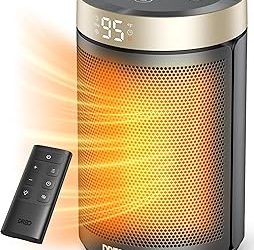
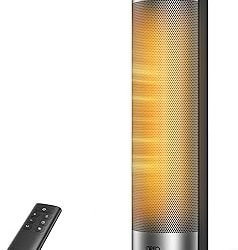
DREO Portable Electric Space Heater
For homeowners who need temporary or seasonal protection rather than a permanent installation, this portable 1,500W ceramic heater offers a compelling package. Five heat modes, a 12-hour timer, and a 34dB noise floor make it practical for spaces adjacent to living areas. The remote control is a genuine convenience when you’re navigating a cramped crawl space. It won’t match a hardwired unit’s round-the-clock reliability, but for flexible, short-term freeze protection, it performs well above its price class.
Frequently Asked Questions
What size heater do I need for a crawl space?
For a standard enclosed crawl space under 200 square feet, a 500–600W electric heater handles freeze protection comfortably. Larger or uninsulated spaces above 400 square feet typically need 1,000–1,500W electric units or a propane heater rated at 30,000 BTU or higher. Always factor in insulation quality—a poorly sealed crawl space demands significantly more output.
Can I leave a crawl space heater running all winter?
Hardwired electric units with built-in thermostats are designed for continuous operation. Plug-in models and portable heaters can also run all season, but verify that the outlet circuit isn’t shared with other high-draw appliances. Propane heaters require periodic fuel checks and adequate ventilation, making them less suitable for completely unattended operation.
Are propane heaters safe in enclosed crawl spaces?
Propane heaters produce carbon monoxide and require proper ventilation to operate safely. A sealed crawl space with no airflow is not an appropriate environment for any combustion-based heater. If your crawl space is enclosed, stick with electric models. For partially open or well-ventilated areas, a quality propane unit with an oxygen-depletion sensor is a viable option.
Do I need an electrician to install a crawl space heater?
It depends on the model. Plug-in heaters using standard 120V outlets require no professional installation. Wall-mounted 120V units may need a dedicated circuit run to the crawl space. 240V models like the KING U24100 require a compatible outlet, which typically means hiring an electrician if one isn’t already present. Gas-fired heaters almost always need professional installation for both gas line and venting compliance.
Final Thoughts
For most homeowners dealing with a standard crawl space, the 600W Utility Heater with Dual-Screen Display hits the sweet spot of reliable thermostat control, modest power draw, and straightforward installation. Homes in extreme cold or with larger utility areas should consider the Mr. Heater 125,000 BTU unit for its unmatched output, while the KING U24100 remains the best choice for pump house owners who already have 240V infrastructure in place. Any of these three will keep your pipes intact and your repair bills at zero through the coldest stretch of 2026.