Key takeaways
- Noise level: Look for a published decibel figure when available, but also consider whether the unit uses a compressor. Peltier models are typically quieter, while compressor units usually remove moisture faster.
- Room coverage: Treat advertised square footage as a guideline rather than a guarantee. Damp basements, laundry rooms, and poorly insulated spaces may require more capacity than a dry bedroom of the same size.
- Water removal and drainage: A larger tank means fewer emptying trips, while a drain hose is more convenient for continuous operation. Confirm that the hose can run downhill to a suitable drain.
- Controls and automation: Adjustable humidity settings, auto shut-off, restart, timers, and laundry modes make a dehumidifier easier to live with and less likely to be forgotten.
- Placement: Leave clearance around the air intake and exhaust, keep the unit level, and avoid blocking it behind furniture. Good airflow helps any dehumidifier work more quietly and efficiently.
What's inside
Humidity rarely announces itself until the room starts to feel clammy, windows collect condensation, or a closet develops that unmistakable stale smell. The challenge is finding a dehumidifier that actually suits the space without adding another distracting hum to a bedroom, living room, or home office.
This guide focuses on practical everyday comfort: noise, room coverage, tank capacity, drainage, controls, and ease of use. The best choice depends less on the biggest number on the box and more on whether the unit matches your room, moisture level, and tolerance for maintenance.
As an Amazon Associate we earn from qualifying purchases.


How to Choose a/an Silent Dehumidifier (2026)
- Noise level: Look for a published decibel figure when available, but also consider whether the unit uses a compressor. Peltier models are typically quieter, while compressor units usually remove moisture faster.
- Room coverage: Treat advertised square footage as a guideline rather than a guarantee. Damp basements, laundry rooms, and poorly insulated spaces may require more capacity than a dry bedroom of the same size.
- Water removal and drainage: A larger tank means fewer emptying trips, while a drain hose is more convenient for continuous operation. Confirm that the hose can run downhill to a suitable drain.
- Controls and automation: Adjustable humidity settings, auto shut-off, restart, timers, and laundry modes make a dehumidifier easier to live with and less likely to be forgotten.
- Placement: Leave clearance around the air intake and exhaust, keep the unit level, and avoid blocking it behind furniture. Good airflow helps any dehumidifier work more quietly and efficiently.
The Best Silent Dehumidifier (2026)s Reviewed
HOGARLABS 30 Pint Dehumidifier
The HOGARLABS 30-pint model is a sensible all-rounder for bedrooms, living areas, and moderately damp basements. Its three working modes, digital controls, overflow protection, auto shut-off, and restart function cover the practical details, while the included drain hose makes longer unattended runs easier. It is a strong choice for shoppers who want useful automation without an overly complicated interface.
KNKA 34-Pint Dehumidifier
With a stated coverage of up to 2,500 square feet, the KNKA is aimed at larger rooms and basement applications. Intelligent humidity control, three modes, a 24-hour timer, and a drain hose give it plenty of flexibility, including a dry-clothes setting for laundry areas. It makes the most sense where a compact bedroom unit would need to run constantly.
Eva-Dry EDV-1200
The Eva-Dry EDV-1200 takes a different approach, using a quiet Peltier system rather than a compressor. Its 35dB rating, 22.5W power draw, 30-ounce tank, and auto shut-off suit small spaces such as closets, bathrooms, bedrooms, RVs, and boats. It is not designed for a damp basement or large open floor plan, but its compact, whisper-quiet operation is appealing beside a bed or in a limited-storage area.
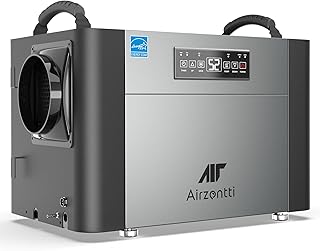
105-Pint Energy Star Dehumidifier
This high-capacity model is built for serious moisture control, with advertised coverage up to 5,500 square feet and a maximum removal rate of 105 pints per day. The intelligent humidistat and drain hose are particularly useful in large basements or homes that need continuous dehumidification. Buyers should plan its placement carefully: a unit with this level of capacity needs adequate airflow and may be more noticeable than a small bedroom-focused design.
95-Ounce Dehumidifier with Ambient Light
This 1,000-square-foot model combines a 95-ounce tank with auto shut-off and a seven-color ambient-light feature. The light is optional in practical terms, but it can make the unit feel less utilitarian in a living room or bedroom. It is best suited to everyday spot control in moderately humid spaces rather than severe, persistent basement dampness.
Frequently Asked Questions
What is the quietest type of dehumidifier?
Peltier dehumidifiers are generally the quietest because they do not use a compressor, making them suitable for bedrooms, closets, and small bathrooms. Their moisture-removal capacity is lower, however, so a compressor model is usually the better choice for a basement or large humid room.
How quiet should a bedroom dehumidifier be?
A published rating around the mid-30-decibel range is a useful starting point for light sleepers, although perceived noise also depends on fan speed, flooring, and vibration. Using a level, solid surface and keeping the air path clear can reduce rattling and unnecessary fan noise.
Should I use a drain hose or empty the tank?
Use a drain hose when the dehumidifier will run for long periods and a suitable floor drain, sink, or condensate setup is nearby. Tank operation is convenient for occasional use, but the unit will stop when full, so it requires more frequent checking.
Where should a silent dehumidifier be placed?
Place it in the dampest part of the room with open space around its intake and exhaust. Keep doors and windows closed while it operates, avoid pushing it directly against furniture, and follow the manufacturer’s clearance and drainage instructions.
Final Thoughts
The HOGARLABS 30-pint model is a well-rounded pick for everyday home use, while the KNKA 34-pint unit is better suited to larger spaces and more demanding basement conditions. For small rooms where quiet operation matters most, the Eva-Dry EDV-1200 is the standout compact option.