Key takeaways
- Extraction capacity: Attic spaces in humid climates can push past 70% relative humidity on summer days. Look for a unit rated at least 50 pints per day under current DOE testing standards — anything less will run nonstop and still fall short.
- Pump versus gravity drain: Most attics lack a convenient floor drain. A built-in condensate pump lets you route a hose down through a soffit or into a gutter, so you avoid the weekly ritual of hauling a full tank down a ladder.
- Noise level: Attics sit directly above living spaces. Units under 55 decibels won’t disrupt sleep or movie nights; louder commercial machines make more sense in detached garages or warehouses where sound insulation already exists.
- Auto defrost and restart: Unfinished attics get cold in winter. An auto-defrost function prevents the evaporator coils from icing over, and an auto-restart feature means the unit picks up where it left off after a power flicker — critical for spaces you don’t visit daily.
- Footprint and portability: Access hatches, narrow framing bays, and low knee walls limit where a dehumidifier can sit. Measure clearance before buying, and prioritize units with wheels or handles if you need to maneuver one through tight quarters.
What's inside
Attics are where moisture problems quietly do their worst damage. Heat builds up under the roof deck, condensation settles into insulation, and before you notice musty odors on the floor below, you’re already dealing with compromised joists and mold creeping along plywood. Homeowners often chase the symptom with fans or ventilation upgrades while the real culprit — trapped humid air — goes unaddressed.
This guide walks through six dehumidifiers genuinely suited to attic work, from compact portable units for occasional seasonal moisture to heavy-duty commercial machines that can handle serious water-damage restoration. I break down what matters when choosing one, review each model head-to-head, and flag which picks earn a spot in an actual attic setup versus ones that shine elsewhere.
As an Amazon Associate we earn from qualifying purchases.



How to Choose a Dehumidifier For Attic (2026)
- Extraction capacity: Attic spaces in humid climates can push past 70% relative humidity on summer days. Look for a unit rated at least 50 pints per day under current DOE testing standards — anything less will run nonstop and still fall short.
- Pump versus gravity drain: Most attics lack a convenient floor drain. A built-in condensate pump lets you route a hose down through a soffit or into a gutter, so you avoid the weekly ritual of hauling a full tank down a ladder.
- Noise level: Attics sit directly above living spaces. Units under 55 decibels won’t disrupt sleep or movie nights; louder commercial machines make more sense in detached garages or warehouses where sound insulation already exists.
- Auto defrost and restart: Unfinished attics get cold in winter. An auto-defrost function prevents the evaporator coils from icing over, and an auto-restart feature means the unit picks up where it left off after a power flicker — critical for spaces you don’t visit daily.
- Footprint and portability: Access hatches, narrow framing bays, and low knee walls limit where a dehumidifier can sit. Measure clearance before buying, and prioritize units with wheels or handles if you need to maneuver one through tight quarters.
The Best Dehumidifier For Attic (2026)s Reviewed
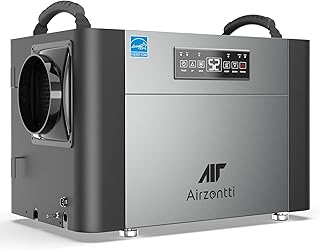
155-Pint Commercial Dehumidifier with Pump
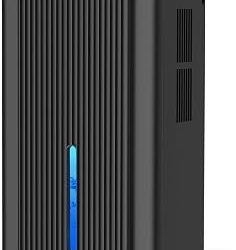
This is the nuclear option for attics with serious moisture intrusion. Rated for crawl spaces and whole-house duty, its 155-pint daily extraction and built-in pump make it the most capable unit here. Energy Star certification helps offset the power draw, but expect a commercial-grade price tag and noise that suits unfinished spaces best.
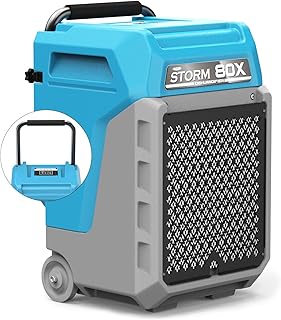
ALORAIR Storm 80X
At 170 PPD, the Storm 80X sits at the top of this roundup’s capacity range and targets water-damage restoration pros. Its LGR technology squeezes more moisture from warmer air than standard refrigerant models, and a six-year warranty signals confidence in build quality. Overkill for light humidity maintenance, but unbeatable when you need to dry a flooded attic fast.
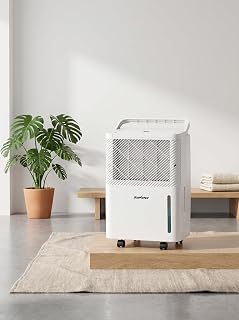
Hisense 50-Pint Portable Dehumidifier
The sweet spot for homeowners who need dependable attic moisture control without the bulk. This Energy Star unit covers 4,500 square feet, runs quietly enough to forget about, and its compact body fits through standard attic access openings without creative disassembly. A strong all-rounder for most residential attics.
KNKA 4,500 Sq.Ft Dehumidifier (80 Pint)
Eighty pints of daily capacity with smart humidity control puts this KNKA between residential convenience and light commercial muscle. The included drain hose and sleep mode add real-world convenience, and the Energy Star rating keeps operating costs reasonable over a long summer season. A step up from the Hisense if your attic runs larger or particularly damp.
25-Pint Dehumidifier with Drain Hose
Budget-conscious buyers with smaller attics — say, under 1,500 square feet — will find this compact unit surprisingly capable. The 71-ounce tank is modest, but the drain-hose option sidesteps constant emptying. It won’t impress on raw power, but for supplemental drying in a dry-climate attic or a seasonal cabin, it punches above its weight class.
Frequently Asked Questions
Should I run a dehumidifier in my attic year-round?
In humid climates, yes — running one from late spring through early fall prevents condensation buildup. In drier regions, a hygrometer on the attic wall lets you monitor conditions and only power the unit when relative humidity climbs past 55–60%.
Where should I place the dehumidifier in my attic?
Position it near the lowest point of the space where moisture collects, close to an electrical outlet, and with a clear path for the exhaust or drain hose. Avoid tucking it against insulation, which restricts airflow and reduces performance.
Can a dehumidifier prevent mold in my attic?
Keeping relative humidity below 50% removes the conditions mold needs to grow. A dehumidifier is one of the most effective tools for this, but pairing it with proper roof ventilation and sealing attic bypasses delivers the best long-term results.
Do attic dehumidifiers use a lot of electricity?
Energy Star models range from roughly 300 to 700 watts depending on capacity. Running one eight hours daily during peak season adds modestly to your utility bill — typically less than running a window air conditioner.
Final Thoughts
For most homeowners tackling standard attic moisture, the Hisense 50-Pint offers the best balance of capacity, quiet operation, and manageable size. Step up to the KNKA 80-Pint if your space runs larger or particularly damp, and consider the 155-Pint Commercial unit only when you’re dealing with active water damage or genuinely extreme humidity conditions.