Our Top Picks
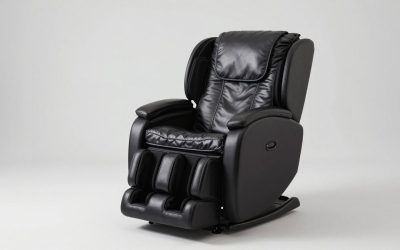
 Power Lift Recliner Chair for Elderly with Lumbar41.36 x 37.4 x 41 inches37.4 x 41.36 x 41 Inches107 poundsCheck on Amazon
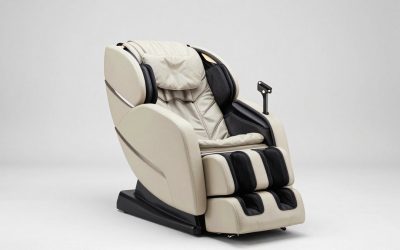
 Ultra Wide Power Lift Recliner Chair for ElderlyLarge37.4 x 41.34 x 41 inches94 poundsCheck on Amazon
The best recliner chairs for seniors combine a seat height of 19 to 21 inches, powered lift-assist, firm lumbar support, and simple two-button controls to make standing up safer and sitting for hours more comfortable, with the right choice depending on your mobility needs, height, and room size.
What Makes a Senior-Friendly Recliner Different
Standard recliners prioritize style or deep sink-in comfort. Recliner chairs for seniors prioritize function that reduces strain on knees, hips, and lower back. Three features matter most:
Power Lift Recliner Chair for Elderly with Lumbar Heat and Massage Grey
Picked as a relevant option in this category.
View on AmazonUltra Wide Power Lift Recliner Chair for Elderly, Powerlift Lounge Chair with Hot Massage Heating and Auxiliary Standing Function,Oversized Lazyboy Single Sofa with Cup Holder for Living Room (Grey)
Picked as a relevant option in this category.
View on Amazon
Ultra Wide Power Lift Recliner Chair for Elderly, Powerlift Lounge Chair with Hot Massage Heating and Auxiliary Standing Function,Oversized Lazyboy Single Sofa with Cup Holder for Living Room (Brown)
Picked as a relevant option in this category.
View on Amazon- Lift-assist: A powered base tilts the entire chair forward 30 to 45 degrees, bringing you to a standing position without pushing hard on armrests.
- Seat height and depth: Higher and shallower seats (19-21 inches high, 19-21 inches deep) prevent your knees from sitting higher than your hips, which makes it much harder to stand.
- Easy controls: Large, wired remotes with two buttons (up/down) or a simple toggle on the arm are safer than small side levers or touch-sensitive panels, especially for arthritis or low vision.
If you can stand independently but have soreness after sitting, you may not need a full lift chair. If you use a walker, have had hip or knee replacement, or need help rising from low furniture, a power lift recliner is the safer option.
4 Decision Criteria Before You Buy
1. Lift Type: Two-Position vs. Three-Position vs. Infinite Position
Not all lift recliners recline the same way. Choose based on how you will use it daily:
- Two-position: Reclines to about 45 degrees. Good for reading and TV, usually $400–$700. Least comfortable for napping.
- Three-position: Reclines to near-flat with an extendable footrest. Better for afternoon naps. Usually $600–$1,000.
- Infinite position (dual-motor): Backrest and footrest move independently. You can raise your feet above heart level while keeping your back upright, which helps with swelling and circulation. Usually $900–$1,800. Best for long sitting sessions and medical needs.
Single-motor chairs are simpler and cheaper but move the back and footrest together. Dual-motor gives more positioning options but means learning two sets of buttons.
2. Support: Lumbar, Seat Firmness, and Headrest
For seniors who sit 4+ hours per day, soft overstuffed foam feels comfortable at first but causes slouching and lower back pain. Look for:
- Medium-firm foam density of 1.8 to 2.2 lbs per cubic foot for the seat, which holds shape longer and makes it easier to slide forward to stand.
- Built-in lumbar support or an adjustable power lumbar pillow that supports the natural curve of the lower back without needing an extra cushion.
- A headrest that tilts forward, not just back, to support the neck while reading or watching TV without pushing the head forward.
3. Seat Dimensions Matched to Height
A chair that is too deep or too low forces extra effort to get up. Use your height as a guide:
| User Height | Ideal Seat Height (floor to seat) | Ideal Seat Depth | Ideal Seat Width | Weight Capacity to Look For |
|---|---|---|---|---|
| 5’0″ – 5’4″ (152-163 cm) | 19 inches | 19 – 20 inches | 20 – 22 inches | 300 – 350 lbs |
| 5’5″ – 5’10” (165-178 cm) | 20 inches | 20 – 21 inches | 21 – 23 inches | 325 – 375 lbs |
| 5’11” – 6’2″ (180-188 cm) | 21 inches | 21 – 22 inches | 23 – 25 inches | 350 – 400 lbs |
| Tall / Heavy-duty needs | 21 – 22 inches | 22 – 23 inches | 26 – 30 inches | 400 – 500 lbs |
If two people of different heights will share the chair, prioritize the primary user’s measurements. Adding a 1-inch seat cushion to raise height is easier than fixing a chair that is too deep.
4. Fabric and Construction That Holds Up to Daily Use
Material choice affects cleaning, heat, and how long the chair looks new. This trade-off is not listed on most product pages:
| Material | Pros for Seniors | Cons | Best For |
|---|---|---|---|
| Performance fabric (polyester blend, microfiber) | Soft, breathable, resists stains and pilling, machine-washable often | Can build static, less luxurious look than leather | Daily TV use, homes with pets, spills |
| Faux leather / polyurethane | Wipes clean easily, smooth to slide in and out of | Traps heat and sticks to skin, can peel after 3-5 years in sunny rooms | Caregivers who need quick cleaning, limited mobility |
| Top-grain leather | Very durable (7-10+ years), ages well, easy to clean | Expensive, cold in winter/hot in summer, requires conditioning | Long-term investment, formal living room |
| High-density foam + hardwood frame | Does not sag, supports 300+ lbs without bowing, quieter reclining | Heavier to move, higher price usually $200–$400 more | Users over 200 lbs, all-day sitting |
| Engineered wood + sinuous springs | Lighter, lower cost | Springs may squeak or sag after 2-3 years of heavy use | Occasional use, tight budget |
Best Recliner Chairs for Seniors by Situation
Instead of ranking one winner, match the chair type to your situation:
Best for Help Standing Up Safely: Power Lift Recliner with Dual Motors
Choose an infinite-position lift chair if you live alone, use a cane or walker, or are recovering from surgery. Look for a quiet motor rated under 60 decibels, battery backup (so it still lifts during a power outage), and armrests that stay level as the chair tilts. Seat height around 20 inches and a weight capacity at least 50 lbs above your weight give a safety margin. Expect to need 4 inches of wall clearance if it is not a wall-hugger model.
Best for Small Apartments and Tight Rooms: Wall-Hugger Power Recliner
In a 10×12 ft living room, a standard recliner that needs 12-16 inches behind it wastes floor space. A wall-hugger (also called wall-saver) needs only 4 to 6 inches of clearance to fully recline by sliding forward instead of tipping back. Dimensions are typically 33-35 inches wide and 36-38 inches deep when upright. You can place it closer to the TV and still fully extend without blocking walkways. These usually do not have full lift, so pair with a higher seat if standing is difficult.
Best for Back Pain and Long Sitting: Recliner with Power Lumbar and Headrest
If you sit to read, nap, and watch TV in the same chair, prioritize independent power lumbar and power headrest. This lets you keep feet elevated while keeping your spine supported and your head at TV height, reducing neck strain. Firm foam with a lumbar depth of 2-3 inches of adjustability prevents the hollow feeling that causes ache. A chaise-style footrest that supports the whole calf, not just the heels, improves circulation.
Best for Easy Cleaning and Caregiving: Vinyl or Performance Fabric Recliner
For incontinence concerns, frequent spills, or caregiver assistance, smooth faux leather or tightly woven performance fabric with a moisture barrier is practical. Look for removable back covers that are washable and arm covers to protect high-wear areas. Avoid exposed wood legs that catch walkers; a enclosed base is safer for feet and cleaning.
Best for Renters and Easy Moving: Lightweight Manual Push-Back Recliner
If you cannot risk a heavy power chair, a push-back recliner (no motor, no power cord) offers simple use with no assembly beyond attaching the back. These weigh 70-95 lbs boxed versus 110-160 lbs for power lift chairs, and fit through standard 30-inch doorways without disassembly. The trade-off is that you need leg strength to close the footrest, so it is not ideal for severe knee weakness.
Sizing, Clearance, and Room Fit: Real Measurements
Measure before you order. Many returns happen because the chair does not fit through the door or hits the wall.
- Doorway and hallway: Most recliners ship in two boxes or with a removable back. Box size is typically 32x30x30 inches. Confirm your doorway is at least 30 inches wide; for narrow 28-inch apartment doors, you must look for a model with a knock-down back.
- Wall clearance: Standard recliners need 12-16 inches behind the chair + 18-24 inches in front for the footrest to extend. Wall-huggers need 4-6 inches behind + 20 inches in front. Leave 36 inches of clear walkway if a walker or wheelchair passes in front.
- Reclined footprint: A 38-inch deep chair becomes 65-72 inches long when fully reclined. In a 10×12 ft room, that leaves about 48 inches for a coffee table and walkway if placed on the 10-foot wall. Measure from the wall to the front of your existing sofa to visualize.
- Rug and floor: Place power lift chairs on low-pile carpet or hard floors. High-pile carpet can block the lift mechanism underneath. Use a low rug pad so the chair does not slide when lifting.
Assembly, Moving, and What Wears First
Most senior recliners require light assembly: sliding the back onto the base and plugging in the power transformer. No tools are usually needed and setup takes 10-20 minutes. Have someone help lift; the base alone weighs 70-110 lbs.
What to expect over time:
- First to wear: Armrest fabric and the footrest edge from rubbing shoes. Arm covers and keeping the footrest closed when not in use doubles their life.
- Motor life: Lift motors typically last 5-10 years with daily use. Listen for straining or uneven lifting, which signals weight overload.
- Cushion sag: Lower-density foam (1.5 lbs/cu ft) softens within 18 months. Higher-density foam and pocket coils keep shape for 4+ years.
- Power needs: Place the chair within 6 feet of an outlet. The transformer brick needs ventilation, so do not cover it with blankets. A surge protector with battery backup is worth adding for lift chairs.
For durability, choose a hardwood or metal frame with a weight limit clearly stated, double-stitched seams, and a warranty that covers the motor and frame for at least 2 years. Keep moving parts free of dust and avoid reclining while the lift is rising.
How to Choose in 5 Minutes
Answer these three questions in order:
- Do you need help standing? If yes, filter only for power lift recliners with battery backup. If no, a standard power recliner with a higher seat (20-21 inches) is enough and saves $300–$600.
- How tall are you and how long do you sit? Under 5’4″ needs shallow depth (19-20 inches). Over 6’0″ needs tall-back models (46+ inches high). Over 4 hours daily needs dual-motor with lumbar.
- Where will it live? Small room or against a wall needs wall-hugger. On carpet, needs a low, firm base. Near a sunny window, avoid faux leather to prevent peeling.
Recliner chairs for seniors are most comfortable when they fit your body first and the room second. Match seat height to your knees, choose lift only if you truly need it, and prioritize breathable, cleanable fabric over extra features you will not use.
FAQ
What seat height is easiest for seniors to get out of?
Most seniors find 19 to 21 inches from floor to the top of the seat cushion easiest. If your knees are higher than your hips when seated, the chair is too low or too deep. A firmer cushion also makes standing easier than a soft one you sink into.
Do I need a lift chair if I have a recliner with a push-back footrest?
A push-back or lever recliner still requires leg and arm strength to close and to push yourself up. A lift chair does the work for you and is recommended if you have had hip or knee surgery, have balance issues, or live alone and worry about getting stuck.
Can a lift recliner go against a wall?
Some can. Look specifically for wall-hugger lift recliners that need only 4-6 inches of wall clearance. Standard lift chairs need 12-15 inches, so they stick far into the room when reclined.