Key takeaways
- Oil-based vs. water-based: Oil-based finishes deliver a richer amber tone and tend to be slightly more durable, but they carry stronger fumes and longer dry times. Water-based formulas stay crystal clear, smell far less, and dry in a fraction of the time—making them the better choice for occupied homes.
- Sheen level: Gloss reflects every fingerprint and water ring, satin strikes a comfortable middle ground that hides minor wear, and semi-gloss splits the difference. For a family dining table, satin or semi-gloss usually wins in day-to-day life.
- Number of coats needed: Some self-leveling formulas claim solid protection in one coat, while traditional options require two to three. Fewer coats means less downtime, which matters when the dining table is your only table.
- Brush-on, wipe-on, or spray: Wipe-on polyurethane goes on thin and smooth with minimal brush marks, making it ideal for flat tabletops. Traditional brush-on versions build thickness faster but demand more skill to avoid drips and bubbles.
- Food-contact safety: Once fully cured, all polyurethane finishes are considered food-safe. The real consideration is cure time—oil-based formulas can take days or weeks to fully harden, during which you should avoid placing food directly on the surface.
What's inside
A dining table takes more abuse than almost any other piece of furniture in your home. Between spilled coffee, hot plates, dragged cutlery, and sticky little fingerprints, the finish on that surface has to be genuinely tough. That’s why polyurethane has become the go-to protective topcoat for homeowners and woodworkers alike—but the number of options on store shelves can feel paralyzing when you’re standing in the aisle.
This guide cuts through the noise. We looked at the six most commonly recommended polyurethane products for dining tables in 2026, weighing dry time, clarity, scratch resistance, and ease of application so you can pick the right one without second-guessing yourself.
As an Amazon Associate we earn from qualifying purchases.


🛒 Best Price Today on Amazon
Prime members get fast, free shipping on everything above, plus member-only deals. New members get a 30-day free trial — cancel anytime.
How to Choose a Polyurethane For Dining Table (2026)
- Oil-based vs. water-based: Oil-based finishes deliver a richer amber tone and tend to be slightly more durable, but they carry stronger fumes and longer dry times. Water-based formulas stay crystal clear, smell far less, and dry in a fraction of the time—making them the better choice for occupied homes.
- Sheen level: Gloss reflects every fingerprint and water ring, satin strikes a comfortable middle ground that hides minor wear, and semi-gloss splits the difference. For a family dining table, satin or semi-gloss usually wins in day-to-day life.
- Number of coats needed: Some self-leveling formulas claim solid protection in one coat, while traditional options require two to three. Fewer coats means less downtime, which matters when the dining table is your only table.
- Brush-on, wipe-on, or spray: Wipe-on polyurethane goes on thin and smooth with minimal brush marks, making it ideal for flat tabletops. Traditional brush-on versions build thickness faster but demand more skill to avoid drips and bubbles.
- Food-contact safety: Once fully cured, all polyurethane finishes are considered food-safe. The real consideration is cure time—oil-based formulas can take days or weeks to fully harden, during which you should avoid placing food directly on the surface.
The Best Polyurethane For Dining Table (2026)s Reviewed
Varathane Water-Based Ultimate Gloss
This is the option we’d reach for first on most dining tables. It dries in about an hour between coats, stays perfectly clear without yellowing over time, and holds up remarkably well against daily scratches and water spots. The half-pint size is ideal if you’re refinishing a single table without buying more than you need.
Minwax Fast Drying Polyurethane, Warm Satin
Minwax’s oil-based satin brings a warm, honeyed depth that water-based finishes simply can’t replicate. It self-levels reasonably well and delivers a smooth, low-sheen surface that hides everyday wear. Just plan for proper ventilation and longer cure windows before putting the table back into heavy rotation.
Varathane Triple Thick Gloss
When you want maximum protection with minimum effort, the Triple Thick formula builds serious film thickness in a single coat. It’s particularly forgiving on large flat surfaces like tabletops because the self-leveling resin minimizes brush marks. The tradeoff is a slightly longer initial dry time, but skipping a second coat saves real hours.
Minwax Fast Drying Polyurethane, Clear Semi-Gloss
The semi-gloss version of Minwax’s classic fast-dry formula hits a practical sweet spot for dining surfaces. It’s shiny enough to look polished under overhead lighting but not so reflective that every smudge demands immediate attention. Apply two coats and you’ve got a finish that can handle years of family meals.
Minwax Polycrylic Protective Finish, Satin
Polycrylic is a water-based alternative designed for lighter-duty protection, and on a dining table it works best as part of a careful maintenance routine rather than a heavy-duty shield. It stays brilliantly clear, dries fast, and cleans up with soap and water—perfect if you want an easy weekend project without harsh chemicals.
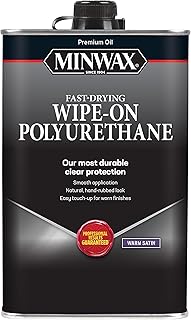
Minwax Oil-Based Wipe-On Polyurethane
Wipe-on polyurethane eliminates the learning curve of brush application entirely. You simply saturate a lint-free cloth, wipe it across the surface in thin even layers, and let it dry. The result is a smooth, professional-looking satin finish that builds beautifully over three or four coats, making it a favorite among hobbyists who want reliability over speed.
Frequently Asked Questions
How many coats of polyurethane does a dining table need?
For a surface that sees daily use, plan on at least three coats of a standard formula or two coats of a build-thick product like Varathane Triple Thick. Sand lightly with 220-grit between coats to ensure proper adhesion and a silky final texture.
Can I eat off a polyurethane-finished table immediately?
Not right away. Water-based polyurethanes are generally safe after 24 to 48 hours of drying, but oil-based versions can take five to seven days to fully cure. Until the finish cures completely, avoid placing hot dishes or cutting directly on the surface.
Should I strip the old finish before applying polyurethane?
Yes, whenever possible. Applying new polyurethane over a poorly bonded or degraded existing finish leads to peeling and uneven coverage. Sand the old finish down to bare wood, wipe away all dust with a tack cloth, and apply your first coat to a clean, dry surface.
Which sheen hides imperfections best on a dining table?
Satin is the most forgiving sheen for everyday dining. It diffuses light enough to disguise minor scratches, dust, and water rings while still looking intentional and refined. High gloss, by contrast, highlights every flaw and requires frequent polishing to stay presentable.
Final Thoughts
For most households, the Varathane Water-Based Ultimate Gloss offers the best combination of clarity, durability, and fast dry time. If you prefer the warmth of an oil-based finish and don’t mind a longer cure, Minwax Fast Drying in Warm Satin delivers classic character. And for anyone who wants dead-simple application with a forgiving learning curve, the Minwax Oil-Based Wipe-On Polyurethane is hard to beat. Any of these three will keep your dining table looking well-cared-for for years to come.