Key takeaways
- Filtration: Look for a genuine HEPA filter to capture fine airborne particles, including pet dander, pollen, and household dust. A washable or replaceable pre-filter helps keep fur from clogging the main filter.
- Room size: Match the purifier to the room where symptoms are worst, not necessarily the entire floor plan. Coverage claims are most useful when paired with a suitable clean-air delivery rate and regular operation.
- Odor control: HEPA handles particles, while activated carbon or a comparable odor-control layer helps with litter boxes, wet fur, and cooking smells.
- Noise: Quiet sleep settings matter in bedrooms and living spaces. A purifier that is comfortable to leave running is generally more useful than a louder model with impressive specifications.
- Upkeep: Check replacement-filter availability and cleaning requirements before buying. Fur-heavy homes benefit from easy pre-filter access and reminders that prevent neglected maintenance.
What's inside
Pet dander is light enough to drift through a room, settle into upholstery, and keep irritating sensitive noses long after the pet has left the sofa. A good purifier cannot replace brushing, vacuuming, or regular filter changes, but it can reduce airborne dander, pollen, dust, and the smoky or musty odors that make a pet-friendly home feel less fresh.
This guide focuses on practical home comfort: filtration, room coverage, noise, odor control, maintenance, and useful pet-friendly features such as washable pre-filters and automatic air-quality modes. The best choice depends as much on where the purifier will live as on its headline coverage number.
As an Amazon Associate we earn from qualifying purchases.



How to Choose a Pet Allergy Air Purifier (2026)
- Filtration: Look for a genuine HEPA filter to capture fine airborne particles, including pet dander, pollen, and household dust. A washable or replaceable pre-filter helps keep fur from clogging the main filter.
- Room size: Match the purifier to the room where symptoms are worst, not necessarily the entire floor plan. Coverage claims are most useful when paired with a suitable clean-air delivery rate and regular operation.
- Odor control: HEPA handles particles, while activated carbon or a comparable odor-control layer helps with litter boxes, wet fur, and cooking smells.
- Noise: Quiet sleep settings matter in bedrooms and living spaces. A purifier that is comfortable to leave running is generally more useful than a louder model with impressive specifications.
- Upkeep: Check replacement-filter availability and cleaning requirements before buying. Fur-heavy homes benefit from easy pre-filter access and reminders that prevent neglected maintenance.
The Best Pet Allergy Air Purifiers (2026) Reviewed
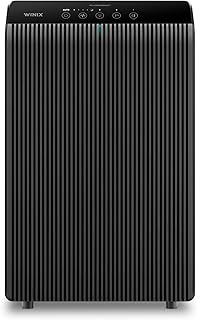
WINIX 5510
The WINIX 5510 is a strong all-around choice for larger living rooms and open areas, combining True HEPA filtration with a substantial carbon filter for everyday pet odors. Its automatic mode and app support make it easy to leave running without constant adjustment, although the larger footprint is better suited to the floor than a cramped nightstand.
PuroAir 240
The PuroAir 240 is appealing for households that want fast, uncomplicated air cleaning in a medium-to-large room. Auto and sleep modes make it practical around pets and overnight, while its HEPA and CarbonTech filter combination addresses both airborne irritants and lingering household smells.
LEVOIT Vital 100S-P
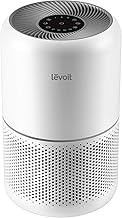
The LEVOIT Vital 100S-P is especially well considered for bedrooms, pet areas, and rooms where routine cleaning matters. Its washable pre-filter can catch fur before it reaches the HEPA stage, and the smart monitoring features provide useful reassurance when outdoor pollen or indoor activity suddenly raises particle levels.
KNKA APH4000
The KNKA APH4000 offers broad stated coverage, a visible air-quality display, and a dedicated pet mode that suits homes with shedding animals. Its washable pre-filter is a practical advantage, while sleep mode makes it easier to keep the unit operating overnight without turning the bedroom into a distracting mechanical space.
PuroAir 240 for a Bedroom
A second PuroAir 240 can make sense when the main need is localized relief in a bedroom rather than whole-home coverage. Its compact, straightforward controls and quiet mode are well matched to nightly use, but remember that a bedroom purifier will not address dander accumulating in the adjacent hallway or living room.
Frequently Asked Questions
Do air purifiers remove pet allergies?
They can reduce airborne allergens such as dander, pollen, and dust, which may make a room more comfortable. They do not remove allergens from carpets, bedding, furniture, or the pet itself, so vacuuming with a suitable filter and washing fabrics remain important.
Where should I place a pet allergy air purifier?
Place it in the room where you and your pet spend the most time, with clear space around the air intake and outlet. Avoid hiding it behind furniture, and keep it near—but not directly beside—a litter box or pet bed if odor and dander are concentrated there.
Should an air purifier run all day?
Generally, yes, if the model is designed for continuous operation and the noise level is comfortable. Running it on a lower or automatic setting throughout the day is often more effective than using maximum power only after symptoms or odors appear.
How often should purifier filters be changed?
Follow the manufacturer’s indicator and instructions, since homes with multiple pets may load filters faster than homes without animals. Clean washable pre-filters regularly, but do not wash a HEPA filter unless the manufacturer specifically says it is washable.
Final Thoughts
The WINIX 5510 is the most versatile pick for larger shared spaces, while the LEVOIT Vital 100S-P is particularly practical for pet bedrooms and easier fur management. Choose the PuroAir 240 for straightforward, fast cleaning, or the KNKA APH4000 if visible air-quality feedback and a pet mode are priorities.