Key takeaways
- Label: Tooth count matters most — for moulding, aim for 80 teeth or higher on 10-inch blades and 100 teeth or higher on 12-inch blades to get clean, paint-ready profiles.
- Label: Check blade kerf width — thin-kerf blades remove less material and put less strain on your saw’s motor, which helps with consistent, smooth cuts on delicate trim pieces.
- Label: Match blade diameter to your saw — feeding a 12-inch blade into a 10-inch miter saw isn’t just pointless, it’s dangerous, so verify your arbor size and maximum blade diameter first.
- Label: Carbide tip quality defines longevity — blades with micro-grain carbide teeth hold their edge significantly longer than budget options, saving money across multiple projects.
- Label: Consider multi-packs if you cut varied materials — a combo pack with different tooth counts lets you switch between ripping lumber and finishing moulding without buying separate blades.
What's inside
Picking a miter saw blade for moulding sounds straightforward until you realize how many options claim to deliver “fine finish” results. Blades that tear out grain, leave burn marks, or vibrate excessively can turn a simple trim project into a frustrating afternoon of sanding and touch-ups. The wrong tooth count or plate thickness, and your freshly installed crown moulding looks like it was cut with a butter knife.
This guide breaks down six solid miter saw blades suited for moulding and trim work, explains what actually matters when choosing one, and helps you match the right blade to your specific setup without overthinking it.
As an Amazon Associate we earn from qualifying purchases.


🛒 Best Price Today on Amazon
Prime members get fast, free shipping on everything above, plus member-only deals. New members get a 30-day free trial — cancel anytime.
How to Choose a Miter Saw Blade For Moulding (2026)
- Label: Tooth count matters most — for moulding, aim for 80 teeth or higher on 10-inch blades and 100 teeth or higher on 12-inch blades to get clean, paint-ready profiles.
- Label: Check blade kerf width — thin-kerf blades remove less material and put less strain on your saw’s motor, which helps with consistent, smooth cuts on delicate trim pieces.
- Label: Match blade diameter to your saw — feeding a 12-inch blade into a 10-inch miter saw isn’t just pointless, it’s dangerous, so verify your arbor size and maximum blade diameter first.
- Label: Carbide tip quality defines longevity — blades with micro-grain carbide teeth hold their edge significantly longer than budget options, saving money across multiple projects.
- Label: Consider multi-packs if you cut varied materials — a combo pack with different tooth counts lets you switch between ripping lumber and finishing moulding without buying separate blades.
The Best Miter Saw Blade For Moulding (2026)s Reviewed
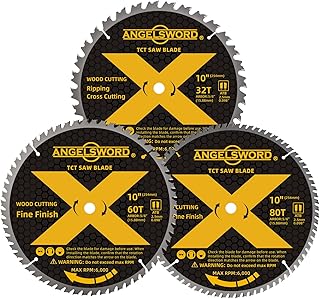
ANGELSWORD 10 Inch 3-Pack (32T/60T/80T)
This triple-blade bundle covers framing, general cutting, and fine finish work in one purchase. The 80-tooth blade handles moulding duties admirably, delivering smooth cuts on soft and hardwood trim without excessive tear-out.
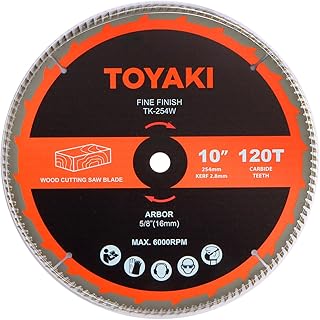
10-Inch 120-Tooth Fine-Finish Blade
At 120 teeth on a 10-inch plate, this blade is purpose-built for the kind of precision moulding demands. The sheer tooth density produces nearly polished cuts straight off the saw, reducing sanding work to almost nothing on crown and base profiles.
DEWALT 12-Inch 100-Tooth (DWA112100)
DEWALT’s ultra-sharp carbide tips stay clean-cutting well past what cheaper blades manage, and the 100-tooth configuration on a 12-inch plate gives it the reach and finesse for tall moulding profiles. A reliable workhorse for professionals doing volume trim installs.
LM6300 12-Inch 100T Miter Joint Blade
Designed specifically for miter joints, this 100-tooth blade with a 1-inch bore excels at the compound angles moulding installation demands. The plate stiffness keeps deflection down during angled cuts, which translates to tighter joints at inside and outside corners.
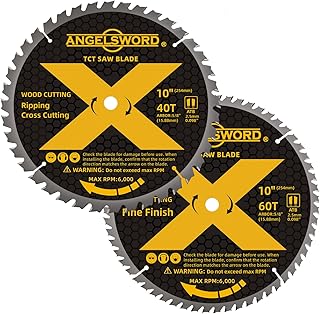
ANGELSWORD 12 Inch 2-Pack (40T/60T)
A practical two-blade set pairing a ripping blade with a fine-finish option for larger saws. The 60-tooth blade handles lighter moulding tasks adequately, though it falls short of the 80-plus tooth count that truly shines on detailed profiles.
Frequently Asked Questions
How many teeth should a miter saw blade have for moulding?
For moulding and trim, prioritize blades with at least 80 teeth on 10-inch saws and 100 teeth on 12-inch saws. More teeth mean smaller gullets, which produce smoother cuts with less risk of chipping on delicate profiles.
Can I use a general-purpose blade for cutting moulding?
You can, but you probably shouldn’t expect clean results. General-purpose blades with 40 to 60 teeth are designed for rougher cuts in framing lumber, and they leave visible marks on moulding that require extensive finishing work afterward.
What causes burn marks when cutting moulding with a miter saw?
Burn marks typically result from a dull blade, a blade spinning too slowly for the material, or feeding the workpiece too quickly. Upgrading to a sharper, higher-tooth-count blade and letting the saw reach full speed before cutting eliminates most burning issues.
Are thin-kerf blades better for moulding work?
Thin-kerf blades generally produce less waste and require less power, making them ideal for lighter-duty miter saws often used in home shops. They also tend to leave cleaner cuts on thin trim stock because they displace less material during each pass.
Final Thoughts
For most home trim projects, the DEWALT 12-Inch 100-Tooth offers the best balance of cut quality and durability, while the 120-Tooth Fine-Finish blade is the top pick if you demand the absolute smoothest cuts on a 10-inch saw. Budget-conscious buyers who need versatility across different tasks will find the ANGELSWORD 10-Inch 3-Pack delivers genuine value with a finish blade that holds its own on moulding work.