
Yoga mat thickness gets described in vague adjectives — “cushy,” “supportive,” “grounded” — when it’s actually a measurable number, usually somewhere between 1.5 mm and 13 mm. That range matters more than any marketing copy. A 1.5 mm travel mat folds into a carry-on and lets you feel every shift in your arches during Warrior II. A 13 mm mat turns a hardwood floor into something your kneecaps forgive you for, but it also wobbles slightly under a one-legged balance. Neither is wrong. They’re solving different problems.
So this list is ordered by a single spec: millimeters, thickest to thinnest. If you practice on carpet, do a lot of standing sequences, or you’ve ever caught yourself tipping in Tree pose, scroll toward the bottom. If your knees complain during Camel or you spend most of your mat time in restorative shapes and floor work, start at the top. I’ve flagged the material of each mat too, because thickness and grip are separate variables — a thick foam mat can get slick under sweaty palms, while a thin rubber mat can feel tacky enough to hold you in place through a full flow.
Our top picks


As an Amazon Associate we earn from qualifying purchases at no extra cost to you.
As an Amazon Associate we earn from qualifying purchases.

Quick Comparison
| Mat | Thickness | Material | Grip Character | Best Suited To |
|---|---|---|---|---|
| Amazon Basics Extra Thick Exercise Yoga Mat with Carrying Strap | 13 mm | NBR foam | Soft, low tack | Knee-heavy practice, floor work, stretching |
| Gaiam Essentials Thick Yoga Mat | 10 mm | NBR foam | Textured, moderate | Beginners easing into kneeling poses |
| BalanceFrom GoYoga All-Purpose Mat (1/4 in) | 6.35 mm | High-density foam | Double-sided texture | Mixed yoga and general home workouts |
| Manduka PRO | 6 mm | PVC, closed-cell | Grippy once broken in | Daily practitioners wanting a lifetime mat |
| JadeYoga Harmony | 4.8 mm | Natural rubber, open-cell | Very tacky, even damp | Sweaty vinyasa and hot classes |
| Manduka eKO SuperLite | 1.5 mm | Natural rubber | Tacky, floor-feel | Travel, studio-mat layering, balance work |
How to Choose
- Start with your floor, not the mat. Thin carpet already adds several millimeters of give, which means a 10 mm mat on top can feel unstable. Bare concrete or tile pushes you toward more cushion.
- Match thickness to your poses. Kneeling, seated twists, supine work, and anything pressing a hip bone into the ground reward padding. Standing balances, arm balances, and inversions reward firmness.
- Treat grip as a separate decision. Closed-cell PVC and natural rubber hold sweaty hands far better than open-cell foam. If your palms slide in Downward Dog, more cushion won’t fix it.
- Weigh it if you’re carrying it. Premium thin mats can still be heavy — dense rubber is heavier per millimeter than foam. Check the listed weight, not just the thickness, before committing to a walk to the studio.
- Consider odor and break-in time. Natural rubber has a distinct smell that fades over a couple of weeks. Some PVC mats feel slippery until the surface is broken in with use or a salt scrub.
Top Picks Reviewed
1. Amazon Basics Extra Thick Exercise Yoga Mat with Carrying Strap — 13 mm
This is the most cushion on the list, and it feels like it. Half an inch of NBR foam means Camel pose, Table Top, and long Pigeon holds stop being a negotiation with your joints, and it doubles nicely as a Pilates or stretching pad. The tradeoff is honest: standing balances feel less stable because the surface compresses under your foot, and the foam surface is softer than it is tacky, so sweaty hands may creep. The included strap is genuinely useful given the bulk. Best value pick if cushioning is your top priority.
2. Gaiam Essentials Thick Yoga Mat — 10 mm
A slightly more restrained take on the extra-thick category, and for many people the smarter one. Ten millimeters still protects knees and elbows, but you lose less ground contact than with a 13 mm mat, so gentle flow sequences stay manageable. The textured surface helps with dry-hand traction. Like most foam mats, it will show permanent dents where hands and feet land repeatedly, so think of it as a solid multi-year mat rather than a decade-long one.
3. BalanceFrom GoYoga All-Purpose Mat (1/4 in) — 6.35 mm
At a quarter inch, this sits in the middle of the range and behaves like a genuine all-rounder. There’s enough padding for floor work without the mushiness that undermines balance, and the double-sided texture gives you a choice of grip surface. It’s a practical pick if your mat also gets used for core work, kettlebell sessions, or a kid’s tumbling. Not a specialist mat — the surface isn’t in the same league as rubber for sweat — but the versatility is real.
4. Manduka PRO — 6 mm
Firm, dense, and famously durable. Six millimeters of closed-cell PVC feels quite different from six millimeters of foam: it supports rather than sinks, which is exactly what you want for Crow, Handstand prep, and long standing sequences. Closed-cell construction also means moisture stays on the surface instead of soaking in, so it stays hygienic. Two caveats — it’s heavy, and it’s slippery out of the box. Give it a few weeks of consistent use before judging the grip.
5. JadeYoga Harmony — 4.8 mm
Just under 5 mm, made from natural rubber, and the grippiest option here by a clear margin. If your practice runs hot and your hands slide on everything else, this is the answer — the tacky, open-cell surface actually improves with a little moisture. It’s thin enough for confident balance work while still offering more padding than a travel mat. The rubber smells noticeably at first, and it wears faster than PVC, but the traction justifies both.
6. Manduka eKO SuperLite — 1.5 mm
Barely thicker than a yoga towel, and that’s the point. It folds rather than rolls, weighs about two pounds, and slips into a suitcase or backpack without argument. The rubber surface grips well, which is what makes it viable as a layer over a questionable studio mat. Understand what you’re buying: this offers essentially no joint cushioning, so kneeling poses on a hard floor will be uncomfortable. As a second mat for travel, it’s excellent.
Frequently Asked Questions
Is a thicker mat always better for bad knees?
Up to a point. Extra padding genuinely reduces pressure in kneeling poses, but past roughly 10 mm the instability can cause you to grip and brace in standing poses, which sometimes creates new discomfort. A common fix is a firm 5–6 mm mat plus a folded blanket or knee pad for the poses that need it.
Why does my thick mat feel slippery?
Thickness and traction are unrelated. Most extra-thick mats use NBR or EVA foam, which is soft but not tacky, and foam absorbs sweat rather than resisting it. If slipping is the problem, add a grippy yoga towel or switch to a natural rubber or closed-cell surface.
What thickness do studios usually provide?
Loaner mats tend to be thin, in the 3–5 mm range, and often worn smooth. That’s a big reason lightweight rubber mats exist — they layer on top and restore grip without adding much to your bag.
How do I clean these without ruining them?
Wipe with a damp cloth and a mild soap solution, then air dry flat or hung, away from direct sun. Skip alcohol and harsh cleaners on natural rubber, since they break the surface down. Never leave a rolled mat damp.
Final Thoughts
Pick your millimeters based on where the discomfort actually shows up. If it’s your knees and hips on a hard floor, go thick and accept slightly wobblier balances — the Amazon Basics 13 mm mat handles that job at the lowest cost. If it’s your hands sliding mid-flow, thickness isn’t the lever; grip is, and JadeYoga or a broken-in Manduka PRO will fix it. And if the real obstacle is hauling a mat anywhere, a 1.5 mm folding rubber mat removes the excuse entirely. Most committed practitioners end up with two: one firm mat for home and one thin one for everywhere else.
Best Massage Gun for Athletes: Recovery Picks by Training Style
The best massage gun for athletes in this guide is the Theragun...
8 Best Grippy Yoga Mats: 6 Non-Slip Picks for Hands and Feet
Best grippy yoga mat means two different things at once: a top...
8 Best Ways to Clean a Yoga Mat: Methods, Timing and Sprays
Best way to clean a yoga mat depends entirely on what the...
8 Best Grip Yoga Mats: 6 Non-Slip Picks for Sweaty Practice
Best grip yoga mat searches almost always start after a hand slides...
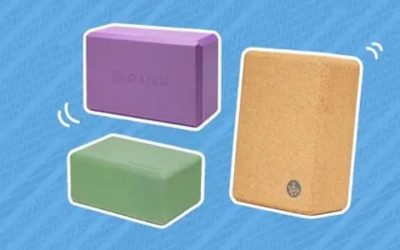
Yoga Block Best Picks: 6 Cork and Foam Options Compared
Yoga block best comparisons focus on colour and skip the one property...
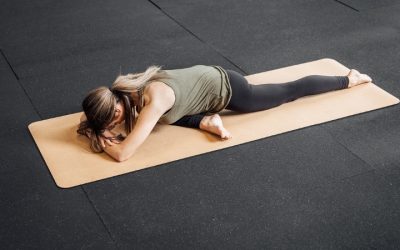
8 Best Yoga Mat Bikram Practices: 6 Sweat-Proof Picks Compared
Best yoga mat bikram shopping has one governing variable: what the surface...
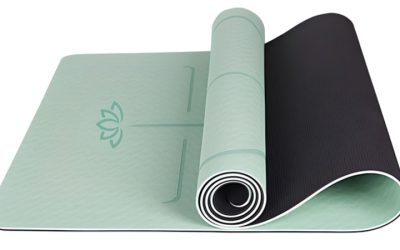
8 Best Cheapest Yoga Mats: 6 Budget Picks That Still Hold Grip
Best cheapest yoga mat hunting has one trap: thickness is easy to...
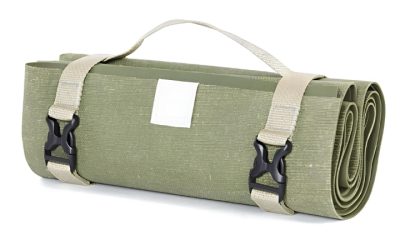
Best Yoga Travel Mat: 6 Picks by Weight and Packed Size
Best yoga travel mat choices are all compromises, because everything that makes...
8 Best Yoga Mat Reddit Debates: 6 Mats and the Real Answers
Best yoga mat reddit threads circle the same four arguments every time:...
8 Best Yoga Mat Brands: 6 Compared on Material and Warranty
Best yoga mat brand comparisons are really comparisons of material philosophy. Manduka...
Write Your Review
No reviews yet. Be the first to share your experience!