Key takeaways
- Wattage and voltage compatibility: Most dedicated crawl-space heaters run on a standard 120V household circuit at 600W, which is plenty for a small enclosed area but won’t cut it in a large, drafty space. If your crawl space is above 200 square feet or poorly sealed, look at 1500W portable units or plan to install more than one heater.
- Built-in thermostat accuracy: A thermostat that kicks on and off at set thresholds keeps temperatures in a tight range without wasting electricity. Look for units that specify a temperature range (typically 40°F–90°F) so you can set it right at the danger zone — around 45°F — and let it cycle autonomously.
- Moisture and dust resistance: Crawl spaces are damp by nature. Heaters rated for utility or pump-house use usually have sealed or enclosed elements that resist condensation and debris. Portable ceramic heaters work well but should be kept on a dry, elevated surface away from standing water.
- Mounting and placement flexibility: Some units are designed to wall-mount or sit on a shelf, keeping them safely above any water that might accumulate on the floor. Portable oscillating heaters offer more flexibility but need a stable, flat surface — which isn’t always available in a crawl space.
- Noise and maintenance demands: A heater that sits silently in a crawl space year-round is ideal. Dedicated utility heaters are typically fanless or very quiet. If you opt for a portable unit, check decibel ratings — anything under 45 dB is unobtrusive enough to run constantly without bothering nearby living spaces.
What's inside
There’s a sinking feeling every homeowner knows: you turn on a faucet in February and nothing comes out — or worse, you hear the ominous groan of a pipe that just cracked under ice. Crawl spaces, well houses, and utility rooms are especially vulnerable because they’re rarely insulated like the rest of the house, and temperatures down there can plunge well below freezing without anyone noticing until the damage is done.
I’ve spent enough winters troubleshooting frozen plumbing to know that a small, reliable heater placed in the right spot is the cheapest insurance policy you can buy. In this guide I’ve pulled together the best crawl space heaters available in 2026, covering dedicated freeze-protection units alongside versatile portable options that can double duty in a pinch. Below you’ll find quick-pick product cards, a clear buying checklist, and honest mini-reviews so you can match the right heater to your space without overpaying.
As an Amazon Associate we earn from qualifying purchases.


🛒 Best Price Today on Amazon
Prime members get fast, free shipping on everything above, plus member-only deals. New members get a 30-day free trial — cancel anytime.
How to Choose a Crawl Space Heater To Keep Pipes From Freezing (2026)
- Wattage and voltage compatibility: Most dedicated crawl-space heaters run on a standard 120V household circuit at 600W, which is plenty for a small enclosed area but won’t cut it in a large, drafty space. If your crawl space is above 200 square feet or poorly sealed, look at 1500W portable units or plan to install more than one heater.
- Built-in thermostat accuracy: A thermostat that kicks on and off at set thresholds keeps temperatures in a tight range without wasting electricity. Look for units that specify a temperature range (typically 40°F–90°F) so you can set it right at the danger zone — around 45°F — and let it cycle autonomously.
- Moisture and dust resistance: Crawl spaces are damp by nature. Heaters rated for utility or pump-house use usually have sealed or enclosed elements that resist condensation and debris. Portable ceramic heaters work well but should be kept on a dry, elevated surface away from standing water.
- Mounting and placement flexibility: Some units are designed to wall-mount or sit on a shelf, keeping them safely above any water that might accumulate on the floor. Portable oscillating heaters offer more flexibility but need a stable, flat surface — which isn’t always available in a crawl space.
- Noise and maintenance demands: A heater that sits silently in a crawl space year-round is ideal. Dedicated utility heaters are typically fanless or very quiet. If you opt for a portable unit, check decibel ratings — anything under 45 dB is unobtrusive enough to run constantly without bothering nearby living spaces.
The Best Crawl Space Heaters To Keep Pipes From Freezing (2026) Reviewed
Utility Heater with Built-In Thermostat (Well House Heater)
This 600W, 120V unit is purpose-built for freeze protection in pump rooms, well houses, and utility areas. The integrated thermostat takes the guesswork out of temperature management — set it and forget it. If you need a no-fuss, install-it-once solution for a small enclosed space, this is the benchmark I’d start with.
600W Pump House Heater with Thermostat
Another solid 600W/120V contender with a built-in thermostat designed to maintain stable temperatures during cold snaps. Its straightforward design makes it nearly identical in mission to the first pick, but availability and warranty terms may tip the scales. Worth comparing side by side before committing.
600W Utility Heater with Dual-Screen Display
What sets this 600W model apart is the dual-screen temperature readout, which lets you monitor conditions at a glance without guessing. For anyone who checks on their crawl space regularly, that visibility is genuinely useful. It handles the same freeze-protection role as the other 600W units but adds a small quality-of-life upgrade that justifies its spot in this roundup.
BREEZOME 1500W Portable Electric Heater
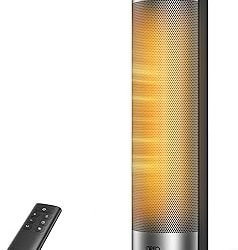
If your crawl space is larger or draftier than a typical well house, the BREEZOME brings 1500W of heating power with 90° oscillation, a remote control, and a 24-hour timer. It’s louder (37 dB) than a sealed utility unit and needs to sit on dry ground, but it covers significantly more area — a smart pick for unfinished basements or oversized crawl spaces that need more muscle.
DREO Portable Space Heater
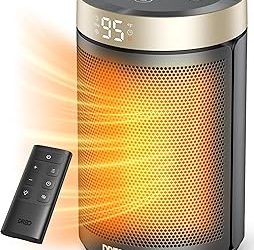
The DREO matches the BREEZOME’s 1500W output and adds five heat modes, a 12-hour timer, ECO mode, and 70° oscillation. It’s a refined, feature-rich portable that works beautifully as a temporary freeze-protection solution — particularly if you also want a heater you can move between rooms when winter’s over. Safety sensors and a quiet profile round out the appeal.
Frequently Asked Questions
How many watts do I need to keep pipes from freezing in a crawl space?
For a small, enclosed crawl space (under 200 square feet), a 600W heater is usually sufficient to maintain temperatures above freezing. Larger or uninsulated spaces may require a 1500W unit or two smaller heaters. The key is matching wattage to square footage and insulation level — an undersized heater will run constantly and still not prevent freezing.
Can I leave a crawl space heater running all winter?
Dedicated utility heaters with built-in thermostats are specifically designed for unattended, continuous operation. Portable ceramic heaters can run for extended periods but should be placed on stable, dry surfaces and monitored periodically. Always use a heater with automatic overheat shutoff as a safety baseline.
Do I need a dedicated electrical circuit for a crawl space heater?
A 600W unit draws only about 5 amps on a standard 120V circuit, so it can share a circuit with other low-draw devices. A 1500W portable heater draws roughly 12.5 amps and should ideally have its own outlet to avoid tripping breakers, especially if the circuit also powers other appliances.
Are portable heaters safe for crawl spaces?
They can be, as long as they have tip-over protection, overheat shutoff, and are placed on a flat, dry, non-combustible surface away from insulation, debris, or standing water. Purpose-built utility heaters are inherently safer in these environments because they’re engineered for exactly these conditions, but a quality portable with solid safety features is a reasonable alternative when a dedicated unit isn’t available.
Final Thoughts
For most homeowners dealing with a standard crawl space or well house, a dedicated 600W unit with a built-in thermostat — like the Utility Heater with Built-In Thermostat or the Pump House Heater with Thermostat — will handle freeze protection reliably and affordably. If your space is larger, the DREO or BREEZOME 1500W portables bring more firepower and flexibility. Whatever you pick, get it installed before the first hard freeze hits — waiting until pipes are already cold is a lesson nobody wants to learn twice.