Key takeaways
- Boat size: Match the unit to the enclosed area you need to dry, rather than the entire vessel’s advertised length. Small cabins and lockers need far less capacity than a multi-room interior.
- Power access: Passive bags and rechargeable systems suit stored boats or spaces without mains power. Electric models are better when shore power is available and you want steady moisture removal.
- Drainage: A removable tank works for occasional use, while a drain hose is more convenient for continuous operation. Check that the hose can run safely to a suitable drain.
- Noise and heat: Fans and compressors can be noticeable in a sleeping cabin. Some electric units also release modest heat, which may be useful in cool weather but undesirable in warm climates.
- Placement: Leave airflow around powered units, keep them level, and avoid blocking vents. For passive absorbers, use several smaller placements near lockers and other moisture-prone areas instead of relying on one container.
What's inside
Moisture is one of the quickest ways to make a boat feel closed-up, cold, and unpleasant. Damp cushions, condensation on cabin surfaces, and musty lockers can also encourage mildew and damage fabrics, wood, electronics, and stored gear. The right dehumidifier depends less on headline capacity than on your boat’s size, access to power, ventilation, and whether you need continuous operation.
This guide compares practical options for cabins, sleeping berths, lockers, and smaller enclosed spaces. It includes passive moisture absorbers for simple storage protection, rechargeable units for boats without dependable shore power, and electric models for owners who want automatic humidity control or longer unattended operation.
As an Amazon Associate we earn from qualifying purchases.


How to Choose a Boat Dehumidifier (2026)
- Boat size: Match the unit to the enclosed area you need to dry, rather than the entire vessel’s advertised length. Small cabins and lockers need far less capacity than a multi-room interior.
- Power access: Passive bags and rechargeable systems suit stored boats or spaces without mains power. Electric models are better when shore power is available and you want steady moisture removal.
- Drainage: A removable tank works for occasional use, while a drain hose is more convenient for continuous operation. Check that the hose can run safely to a suitable drain.
- Noise and heat: Fans and compressors can be noticeable in a sleeping cabin. Some electric units also release modest heat, which may be useful in cool weather but undesirable in warm climates.
- Placement: Leave airflow around powered units, keep them level, and avoid blocking vents. For passive absorbers, use several smaller placements near lockers and other moisture-prone areas instead of relying on one container.
The Best Boat Dehumidifiers (2026) Reviewed
4 Pack Moisture Absorber Hanging Bags
These charcoal-filled hanging bags are a straightforward choice for closets, lockers, cabins, and boats that spend much of their time closed up. They need no outlet and produce no operating noise, making them useful around sleeping areas and sensitive equipment. Their main limitation is that they are best for ongoing low-level dampness, not rapidly drying a wet cabin after rain or a leak. Hang them where they will not swing into fittings, and replace them when saturated.
Eva-Dry EDV-365 Rechargeable Dehumidifier System
The EDV-365 is particularly convenient for compact cabins, gunwale lockers, and boats where running a cord is impractical. Its two-cylinder design lets one cylinder operate while the other renews on the blower base, reducing interruptions compared with a single rechargeable absorber. The stated coverage is aimed at smaller enclosed spaces, so it is better viewed as a targeted cabin or locker solution than a whole-boat machine.
Davis Instruments Air-Dryr 1000 Bundle
This two-pack is designed for owners who want quiet, continuous air circulation and gentle drying across more than one area. The compact format is easy to position in separate cabins or near stored upholstery, while the low-profile design is less intrusive than a larger household appliance. Because it functions as an air dryer rather than a conventional condensate-collecting compressor dehumidifier, it is most useful for maintaining a dry interior and limiting condensation.
Ironwood Pacific Drywave 1000 Air Dryer
The Drywave 1000 is a practical fit for boaters who prefer a compact air-drying appliance with a simple setup. It is suited to enclosed marine spaces where steady circulation and mild warmth can help reduce clammy air and condensation during storage. Place it on a stable, dry surface with clear airflow around it, and use sensible electrical precautions whenever the boat is unattended.
Eva-Dry EDV-2400 Electric Dehumidifier
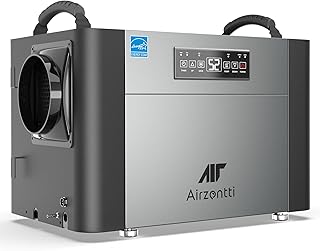
With an adjustable humidistat and included drain hose, the EDV-2400 is the strongest match here for owners with reliable shore power who want automatic control. Setting a target humidity allows it to cycle instead of running constantly, and hose drainage can reduce the need to empty a tank. Its larger coverage makes it more suitable for a main cabin or similarly sized enclosed area, although it still requires careful placement and ventilation.
Frequently Asked Questions
What size dehumidifier do I need for a boat?
Estimate the volume of the enclosed cabin or compartment rather than choosing solely by boat length. A small rechargeable or passive unit may be enough for one locker or berth, while a larger cabin benefits from an electric model with a humidistat and suitable drainage.
Are passive moisture absorbers effective on boats?
Yes, for gradual moisture control and storage protection. They are quiet, inexpensive to place in multiple locations, and require no power, but they will not remove heavy condensation or dry wet upholstery as quickly as an electric dehumidifier.
Should I leave a boat dehumidifier running unattended?
Only when the product is intended for that use and the installation is safe. Keep powered equipment level and clear of water, inspect cords and outlets, and use continuous drainage where appropriate. Follow the manufacturer’s instructions rather than relying on a generic timer or extension setup.
Where should a dehumidifier be placed in a boat?
Position it in the dampest enclosed area with space around its air inlets and outlets. Keep doors or hatches arranged to support airflow, and place passive bags near lockers, cushions, and other areas where moisture tends to linger.
Final Thoughts
For simple, silent storage protection, the 4 Pack Moisture Absorber Hanging Bags are an easy starting point. The Eva-Dry EDV-365 is a smart targeted option when power is limited, while the Eva-Dry EDV-2400 is the better choice for a shore-powered cabin needing automatic humidity management and convenient drainage.