Key takeaways
- Odor control: Look for activated carbon or another odor-absorbing stage. HEPA filtration is excellent for dust and dander, but it does not remove gaseous litter odors by itself.
- Particle filtration: A true HEPA filter can capture fine litter dust, tracked debris, and airborne allergens that often accompany unpleasant smells.
- Room coverage: Compare the stated coverage with the room where the litter box sits. In an open-plan home, a higher airflow rating is usually more useful than a tiny desktop unit.
- Maintenance: Washable pre-filters are especially handy around cats because they catch fur before it clogs the main filter. Still, replace filters as recommended and clean the litter area regularly.
- Pet-safe operation: Prefer conventional filtration when possible. Be cautious with ozone generators and ionizers, since ozone can irritate the lungs and is not a substitute for removing soiled litter.
What's inside
Cat litter smell is rarely solved by masking it with fragrance. Odor can linger in upholstery, rugs, and the air around the litter area, especially in smaller rooms or homes with several cats. The right purifier can help capture airborne particles and reduce the stale, ammonia-like edge that develops between litter-box cleanings, but performance depends heavily on filtration, airflow, and placement.
This guide focuses on practical home comfort: which designs make sense near a litter box, what to know about carbon and HEPA filtration, and where compact plug-in deodorizers may fit. We also flag important differences between true air cleaners and ionizing or ozone-producing devices, so you can choose an option that suits both your space and your pets.
As an Amazon Associate we earn from qualifying purchases.


How to Choose an Air Purifier For Cat Litter Smell (2026)
- Odor control: Look for activated carbon or another odor-absorbing stage. HEPA filtration is excellent for dust and dander, but it does not remove gaseous litter odors by itself.
- Particle filtration: A true HEPA filter can capture fine litter dust, tracked debris, and airborne allergens that often accompany unpleasant smells.
- Room coverage: Compare the stated coverage with the room where the litter box sits. In an open-plan home, a higher airflow rating is usually more useful than a tiny desktop unit.
- Maintenance: Washable pre-filters are especially handy around cats because they catch fur before it clogs the main filter. Still, replace filters as recommended and clean the litter area regularly.
- Pet-safe operation: Prefer conventional filtration when possible. Be cautious with ozone generators and ionizers, since ozone can irritate the lungs and is not a substitute for removing soiled litter.
The Best Air Purifier For Cat Litter Smell (2026)s Reviewed
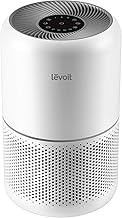
Levoit Vital 100S-P
The LEVOIT Air Purifier for Home Pets Bedroom Dorm Room is the most balanced choice for many cat owners. Its washable pre-filter is practical for fur and litter dust, while the HEPA design, quiet sleep mode, and smart monitoring make it easy to run consistently in a bedroom or living area. Its large stated coverage also gives it more breathing room than compact litter-box purifiers.
KNKA APH4000
The KNKA Air Purifier APH4000 suits homes that need strong circulation across a larger room. Its washable pre-filter, pet mode, AQI display, and sleep setting offer useful everyday controls, particularly when you want to see whether cooking, litter, or dust is affecting air quality. It is a sensible pick for an open room, provided replacement-filter availability remains convenient.
AIRROMI A2005
The AIRROMI HEPA Air Purifier A2005 is a compact, approachable option for a bedroom, office, or dedicated pet area. Its 360-degree intake and HEPA filtration can help with airborne dander and litter dust, while the odor-focused design and scent option appeal to shoppers who want a fresher-feeling space. Use fragrance sparingly around cats, as some pets are sensitive to scented products.
Cat Litter Odor Deodorizer with Sensor Monitor
The Cat Litter Odor Deodorizer with Ozone and Negative Ion technology is aimed specifically at litter and pet odors, with a sensor monitor and a small-footprint design. However, ozone-producing equipment deserves extra caution in occupied homes: keep it away from people and animals unless the manufacturer provides clear, appropriate safety instructions, and do not treat it as a replacement for ventilation and prompt litter removal.
Three-Pack Plug-In Cat Litter Deodorizers
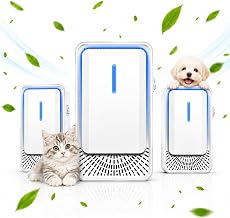
The Cat Litter Deodorizer three-pack uses plug-in ionizers for small spaces such as a litter closet, bathroom, or entryway. These are convenient and quiet, but filterless ionizers generally offer less dependable particle and odor removal than a HEPA purifier with carbon. They work best as a supplementary option rather than the main air-cleaning system.
Frequently Asked Questions
What is the best type of purifier for cat litter smell?
A HEPA purifier paired with an activated-carbon layer is usually the most versatile choice. HEPA captures dust and dander, while carbon helps address gaseous odors. Airflow and correct placement matter just as much as the filter labels.
Should I put the purifier beside the litter box?
Place it close enough to draw in odor but not so close that litter dust is constantly thrown into the intake. A position a few feet away, with unobstructed airflow, is often a better compromise than placing it inside an enclosed litter cabinet.
Are ozone air purifiers safe for cats?
Ozone can irritate the respiratory system, so pet owners should be particularly cautious. Conventional HEPA-and-carbon filtration is generally the more straightforward choice for occupied rooms; always follow the manufacturer’s safety instructions and avoid running ozone-generating equipment around pets.
Can an air purifier replace cleaning the litter box?
No. A purifier can reduce airborne particles and improve the room’s overall smell, but it cannot remove the source. Scoop frequently, wash the box as recommended for its material, ventilate the area, and replace saturated filters on schedule.
Final Thoughts
For the strongest all-around solution, the LEVOIT Vital 100S-P combines useful pet-focused filtration with quiet, practical operation. The KNKA APH4000 is a better fit for larger rooms, while the AIRROMI A2005 works well where space is limited. Whichever model you choose, pair it with regular litter maintenance and favor conventional filtration over unneeded ozone.