Key takeaways
- Suction rating: Anything below 3,000 Pa struggles on medium-pile carpet. For households with pets or rugs, aim for 6,000 Pa or higher to pull embedded fur from fibers in a single pass.
- Navigation method: LiDAR-mapped robots drive in efficient rows and rarely miss spots, while older bump-and-go units can waste battery covering the same area twice. Map-based navigation is worth the premium.
- Self-empty base: A dock that holds 30 to 90 days of debris means you barely touch the machine between cycles. Bagless bases save ongoing costs; sealed bags do a better job containing allergens.
- Battery runtime: Homes larger than 1,500 square feet need at least 120 minutes of continuous runtime, ideally with auto-recharge-and-resume so the robot picks up where it left off after docking.
- Brushroll design: Anti-tangle or self-cleaning brushrolls are a must for pet owners. Traditional bristle rolls wrap hair tightly and need frequent manual cutting — a dealbreaker for low-maintenance seekers.
What's inside
Most shoppers searching for a dedicated sweeping-only robot hit a wall fast: every other listing tries to bundle a mediocre mop pad you never asked for. If you have hard floors and rugs but no interest in a wet-cleaning gimmick, filtering down to a pure vacuum can feel oddly difficult — and the marketing blurbs all sound the same.
This guide cuts through the noise. We focused exclusively on robot vacuums that sweep without mopping, weighing suction power, navigation tech, self-emptying convenience, and real-world pet-hair performance. Below you’ll find our shortlist for 2026, plus a buying checklist so you can match a model to your exact living situation.
As an Amazon Associate we earn from qualifying purchases.




How to Choose a Robot Vacuum Without Mop (2026)
- Suction rating: Anything below 3,000 Pa struggles on medium-pile carpet. For households with pets or rugs, aim for 6,000 Pa or higher to pull embedded fur from fibers in a single pass.
- Navigation method: LiDAR-mapped robots drive in efficient rows and rarely miss spots, while older bump-and-go units can waste battery covering the same area twice. Map-based navigation is worth the premium.
- Self-empty base: A dock that holds 30 to 90 days of debris means you barely touch the machine between cycles. Bagless bases save ongoing costs; sealed bags do a better job containing allergens.
- Battery runtime: Homes larger than 1,500 square feet need at least 120 minutes of continuous runtime, ideally with auto-recharge-and-resume so the robot picks up where it left off after docking.
- Brushroll design: Anti-tangle or self-cleaning brushrolls are a must for pet owners. Traditional bristle rolls wrap hair tightly and need frequent manual cutting — a dealbreaker for low-maintenance seekers.
The Best Robot Vacuums Without Mop (2026) Reviewed
Q10 Pro Self-Emptying Robot Vacuum
With 8,000 Pa of suction and LiDAR-based smart mapping, the Q10 Pro punches well above its price bracket. The 150-minute runtime and self-emptying dock make it a strong pick for busy households that want a set-it-and-forget-it sweeper across mixed flooring.
eufy 11S MAX
The eufy 11S MAX stays relevant by doing one thing exceptionally well: gliding quietly under furniture at just 2.85 inches tall. It skips fancy apps in favor of a slim profile and reliable carpet-to-hard-floor transition, making it ideal for apartments where silence and simplicity matter most.
Shark AV2501S AI Ultra
Shark’s Matrix Clean system overlaps passes in a grid pattern that genuinely eliminates streaks on hard floors. The 30-day bagless self-empty base keeps costs low, the self-cleaning brushroll handles pet hair without tangles, and the 360-degree LiDAR mapping keeps it organized in larger rooms.
iRobot Roomba 105 with Auto-Empty Dock
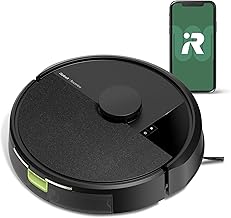
For hands-off cleaning that stretches up to 75 days between emptyings, the Roomba 105 with its included dock is hard to beat. LiDAR navigation combined with power-lifting suction produces those tidy, straight cleaning rows that Roomba fans expect — without wasting time re-cleaning areas it already covered.
iRobot Roomba 105 (Self-Charging)
The same LiDAR smarts and intense suction as its docked sibling, minus the self-emptying base for buyers who don’t mind a more frequent manual dump. It’s the most affordable entry into Roomba’s current navigation platform and a solid choice for smaller homes under 1,200 square feet.
Frequently Asked Questions
Do I really need a robot vacuum without a mop function?
Yes, if your primary goal is thorough dry debris pickup. Dedicated sweepers tend to have simpler mechanics, lower failure points, and better suction-to-price ratios because no water tank or mopping hardware adds weight or complexity.
How often should I empty the robot’s dustbin if it doesn’t self-empty?
Without a self-emptying dock, plan to empty the onboard bin after every cleaning cycle in a pet-heavy household, or every two to three runs in a low-traffic home. Overfilling drops suction performance immediately.
Are LiDAR robots significantly better than camera-based ones?
LiDAR creates precise floor maps regardless of lighting conditions, which makes it more reliable in dimly lit hallways and at night. Camera-based systems have improved but can still struggle in low light or very cluttered spaces.
Can a vacuum-only robot handle both carpet and hard floors?
Absolutely — that’s exactly what most modern models in this category are designed to do. Auto-adjust suction levels detect carpeted zones and ramp up power, then dial back down on hard floors to preserve battery and reduce noise.
Final Thoughts
For raw power and value, the Q10 Pro delivers impressive suction without the mop baggage. The Shark AV2501S AI Ultra stands out for pet owners thanks to its bagless self-empty base and anti-tangle brushroll. And if set-it-and-forget-it convenience tops your list, the Roomba 105 with Auto-Empty Dock covers up to 75 days of sweeping before you even need to think about it. Any of these three will keep your floors genuinely clean — no wet-mop compromise required.