Key takeaways
- Thermostat control: Choose a heater that cycles automatically at a set temperature rather than producing heat continuously. A stable, moderate setting is usually more useful than maximum output.
- Wattage and coverage: Match the heater to the room’s size, insulation, and exposure. A 600W unit may suit a small pump house, while a larger drafty utility area may need 1,500W or more.
- Safety features: Look for overheat protection, a tip-over switch, a grounded three-prong plug, and a sturdy housing. These features matter especially in locations that are rarely supervised.
- Moisture and placement: Keep the heater away from standing water, leaking pipes, combustibles, and stored materials. Use it only in an appropriate dry location and follow the manufacturer’s clearance instructions.
- Power access: Confirm that the circuit can handle the heater’s electrical demand. Avoid extension cords unless the manufacturer specifically permits one with the correct rating.
What's inside
A crawl space heater with a thermostat can help protect pipes, pumps, insulation, and stored equipment when temperatures drop, but choosing the wrong model creates new problems. Tight, dusty spaces need controlled heat, dependable safety shutoffs, and enough output to prevent freezing without running constantly.
This guide compares practical options for crawl spaces, well houses, pump rooms, garages, and other utility areas. We focus on thermostat control, heating capacity, construction, safety features, and where each heater makes the most sense in a real home.
As an Amazon Associate we earn from qualifying purchases.


How to Choose a Crawl Space Heater With Thermostat (2026)
- Thermostat control: Choose a heater that cycles automatically at a set temperature rather than producing heat continuously. A stable, moderate setting is usually more useful than maximum output.
- Wattage and coverage: Match the heater to the room’s size, insulation, and exposure. A 600W unit may suit a small pump house, while a larger drafty utility area may need 1,500W or more.
- Safety features: Look for overheat protection, a tip-over switch, a grounded three-prong plug, and a sturdy housing. These features matter especially in locations that are rarely supervised.
- Moisture and placement: Keep the heater away from standing water, leaking pipes, combustibles, and stored materials. Use it only in an appropriate dry location and follow the manufacturer’s clearance instructions.
- Power access: Confirm that the circuit can handle the heater’s electrical demand. Avoid extension cords unless the manufacturer specifically permits one with the correct rating.
The Best Crawl Space Heater With Thermostat (2026)s Reviewed
600W Utility Heater With Thermostat
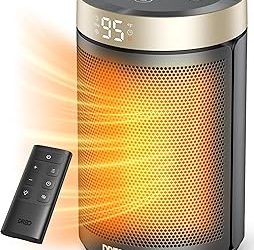
This compact 600W Utility Heater is designed specifically for freeze protection in crawl spaces, pump houses, and well houses. Its dual-screen display makes the temperature easier to monitor, while the lower output is a sensible fit for small enclosed utility areas where a full-size room heater would be excessive.
Shinic 1500W Milkhouse Heater
The Shinic Space Heater combines a durable metal housing with adjustable thermostat control and two heat settings. Overheat protection, a three-prong plug, and automatic tip-over shutoff give it a reassuring safety package for a garage, workshop, greenhouse, or larger utility space, although its 1,500W demand requires a suitable circuit.
Dura Heat EUH1465 Forced-Air Heater
With 5,120 BTU of forced-air heat, the Dura Heat EUH1465 is the strongest choice here for a larger or particularly drafty area. Its pivoting base helps direct warmth where it is needed, and the steel body, ceramic heating element, thermostat, and safety shutoff make it a practical option for spaces up to about 250 square feet.
600W Pump House Heater
This 600W Pump House Heater takes a straightforward approach to cold-weather protection. The built-in thermostat is intended to maintain a steadier temperature in pump houses, well houses, and utility rooms without the higher energy draw of a conventional 1,500W space heater.
Comfort Zone 1500W Milkhouse Heater
The Comfort Zone Milkhouse Style Utility Heater is a sturdy all-metal model with two heat settings, an adjustable thermostat, and a fan-only function. Its portable design suits workshops and garages, while the safety tip-over switch adds useful protection; for a crawl space, careful placement and clearance are essential because this is a relatively powerful heater.
Frequently Asked Questions
Can I use a space heater in a crawl space?
Only if the heater is approved for that type of utility environment and the location is dry, ventilated as required, and free of combustibles. Never place a heater near standing water, insulation that can contact the housing, or exposed wiring, and follow the stated clearance requirements.
What wattage is best for freeze protection?
There is no universal answer. A small, enclosed, reasonably insulated pump room may need only 600W, while a larger or draftier space may benefit from 1,500W. Thermostat cycling, insulation, outdoor temperature, and air leakage all affect the result.
Where should the thermostat be positioned?
The thermostat should sense the general room temperature rather than a concentrated hot spot. Keep the heater away from the thermostat, walls, drafts, and direct heat from pipes or equipment so it can cycle more accurately.
Should a crawl space heater run continuously?
No. A thermostat-controlled heater should cycle as needed. If it runs constantly, the area may be poorly insulated, excessively drafty, or too large for the unit. Continuous operation can also increase electrical costs and place unnecessary strain on the heater and circuit.
Final Thoughts
For small freeze-prone enclosures, the 600W Utility Heater With Thermostat and 600W Pump House Heater are the most targeted choices. The Dura Heat EUH1465 is better suited to a larger, draftier utility area, while the Shinic offers a useful balance of metal construction and safety features for broader garage or workshop use.