Our Top Picks
The best ready made wardrobe for most households is a modular flat-pack system when you want to tailor the interior, a freestanding two-door wardrobe when you want something simple to move, and a fabric or steel-frame wardrobe when you rent and need a short-term, low-commitment option. The right choice depends on room height, wall strength, how much hanging versus folded storage you need, and how often you expect to move.
Ready Made Wardrobe Types at a Glance
| Type | Best for | Typical stated materials | Main limits |
|---|---|---|---|
| Modular framework systems (for example PAX-style and Sauder-style cabinets) | Owners who want custom interiors, sliding or hinged doors | Particleboard or fibreboard with foil or melamine finish; the maker lists the exact core | Assembly time, heavy boxes, wall anchoring required |
| Freestanding two- or three-door wardrobe | Bedrooms without space for built-ins | Engineered wood panels, sometimes solid wood trim | Fixed interior layout, often shallow shelves |
| Armoire with drawers | Households that fold more than they hang | MDF or particleboard with laminate; some solid-wood models | Less hanging height, heavier to move |
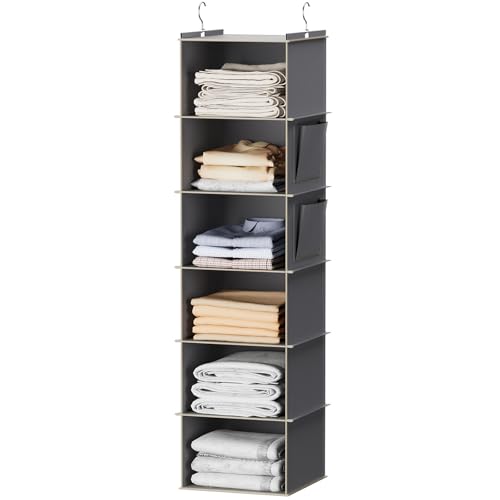
| Fabric and steel-tube wardrobe (Songmics and similar makers) | Renters, dorms, temporary storage | Steel tubing, non-woven fabric cover | Lower load capacity, not a long-term furniture piece |
| Open clothes rack wardrobe | Small spaces, capsule wardrobes | Metal or bamboo frame | Clothes stay visible and dusty |
Start With Your Measurements
Measure ceiling height, the door and hallway path the boxes must travel, and the clear width of the wall. Many flat-pack makers publish a clearance requirement above the cabinet, because tall frames are tilted upright during assembly. If a product lists a height close to your ceiling, check the maker’s instructions for the extra space needed to stand it up. Also measure the depth: a clothes rail needs roughly the width of a hanger plus clearance for garments, and makers of hanging wardrobes commonly list a minimum interior depth for the rail to work with coats and jackets.

COOFANDY Mens Quarter Zip Up Pullover Slim Fit Pullover Christmas Sweater | Gift-ready, the unique texture and leather badge make it stand out, a wardrobe game-changer
Chosen because it specifies Gift-ready and the unique texture and leather badge make it stand out.
View on Amazon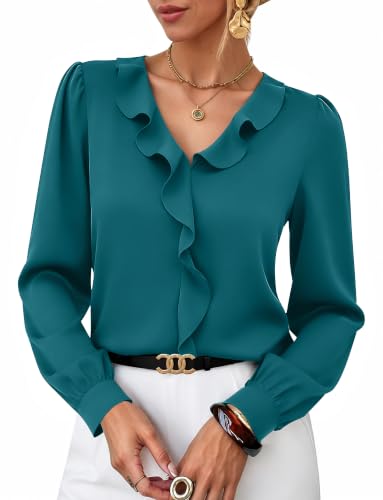
Halife Women'S Dressy Casual Blouses Long Sleeve V Neck Business Work Tops | Ladies Tops And Blouses Adds Polished Feminine Style To Cruise Outfits, Vacation Wardrobes And Destination-Ready Looks
Chosen because it specifies Vacation Wardrobes And Destination-Ready Looks.
View on AmazonCheck the swing of hinged doors against the bed, a dresser or a door frame. Sliding doors save floor space but give access to only part of the interior at a time, and the track needs to be installed level. If the floor or skirting board is uneven, plan for adjustable feet or shims.
Materials and Construction
Particleboard and fibreboard
Most budget and mid-range ready made wardrobes use particleboard or medium-density fibreboard with a printed foil, melamine or laminate surface. This is stable and consistent, and it is the reason the units can be made in flat-pack form. Its limits are moisture and repeated disassembly. Screws and cam fittings in particleboard can loosen if a unit is taken apart and rebuilt several times, so buyers who move often should read the maker’s assembly notes and consider fabric or steel designs.
Plywood and solid wood
Plywood or solid-wood wardrobes cost more and are heavier, but reviewers frequently describe them as better at holding screws and handling load on long rails. A solid-wood front over an engineered carcass is a common compromise, and the maker should state which parts are which.
Emissions and finish
Composite boards may release formaldehyde. Many makers state compliance with an emissions class such as the European E1 class or the US CARB Phase 2 rule. If anyone in the household is sensitive to odours, look for that statement in the product details, air out the unit after assembly and follow the manufacturer’s guidance. For health concerns about indoor air, speak with a doctor.
Interior Layout: Hanging, Shelving and Drawers
Decide the ratio before you buy. A rough planning approach is to count how many long garments, shirts and folded items you own. Long hanging space suits coats, dresses and robes. Double hanging, with two rails one above the other, roughly doubles capacity for shirts and trousers. Shelves suit knitwear, which can stretch on hangers. Internal drawers keep small items contained but reduce the hanging area.
Modular systems let you reconfigure these zones later, which is their main advantage over fixed-layout wardrobes. If the maker sells add-on interior organisers for the system, check that they fit the frame width you are buying, since interior fittings are generally sized to specific frame widths.
Safety and Wall Anchoring
Tall furniture can tip, particularly when drawers are open or heavy items sit high. Most makers supply a wall anchoring kit and instruct owners to use it. Follow the instructions, use fixings suited to your wall type (plasterboard needs different anchors from masonry), and keep children away from climbing the unit. If you are unsure about the wall material, a qualified tradesperson can advise.
Budget Tiers
- Budget: fabric-and-steel wardrobes and basic particleboard two-door units. Fine for light loads and short tenancies; expect thinner panels and lighter hardware.
- Mid-range: modular frameworks with soft-close hinges or sliding doors, and boxed armoires with laminate finish. This is where most households find the balance of lifespan and flexibility.
- Premium: solid-wood or veneered wardrobes, and systems with fitted interior lighting and organisers. Worth considering when you plan to keep the piece for many years.
Pick X If… Decision Table
| Pick this | If you… |
|---|---|
| Modular framework system | want a built-in look, plan to reconfigure the interior, and can anchor to the wall |
| Freestanding two-door wardrobe | need a simple, quick-to-assemble option for a standard bedroom |
| Armoire with drawers | fold most of your clothes and have limited room for a separate dresser |
| Fabric and steel wardrobe | rent, move often, or need temporary extra capacity |
| Open rack | have a small, curated wardrobe and want fast access |
| Solid-wood piece | want a long-term furniture item and accept higher weight and cost |
Assembly and Moving Notes
Flat-pack wardrobes are generally sold in several heavy boxes. Reviewers often point out that assembly takes a few hours and works best with two people, especially for doors and tall side panels. Lay a blanket on the floor to protect finishes, tighten fasteners progressively rather than fully on the first pass, and keep spare screws and keys from the box. Photograph the instruction pages before discarding packaging in case you move later.
When relocating, loosen and remove doors and shelves, wrap panels separately and keep hardware bagged by step. Frames can lose rigidity after several rebuilds, so a unit you expect to move repeatedly is better chosen from steel-framed or solid-wood designs.
Care and Maintenance
- Wipe laminate and foil surfaces with a slightly damp soft cloth and dry straight away; avoid soaking edges, where the board core can swell.
- Do not exceed the rail or shelf load rating the maker lists. Spread heavy items across shelves rather than stacking them in one spot.
- Keep the unit slightly away from damp exterior walls, and use moisture absorbers in humid climates.
- Tighten hinges and door fixings occasionally; doors drift out of alignment as fasteners settle.
- For wardrobes holding natural-fibre clothing, cedar blocks or lavender sachets are common choices; keep them away from direct contact with delicate fabrics.
Alternatives to a Ready Made Wardrobe
- Built-in or carpenter-made wardrobe: fits awkward spaces and uses the full ceiling height, but takes longer and costs more than boxed furniture.
- Semi-custom modular doors on your own frame: some makers sell frames that accept custom-cut doors, giving a tailored finish with off-the-shelf carcasses.
- Dresser plus wall rail: a clothing rail fixed to studs above a chest of drawers works in rooms too small for a wardrobe, provided the wall can carry the load.
Common Mistakes When Buying
- Ignoring door swing and clearance: a wardrobe that looks right on paper can block a door or the end of a bed once the doors open.
- Buying by width alone: two wardrobes of the same width can differ widely in usable hanging length and shelf depth. Read the interior dimensions the maker lists.
- Skipping the weight rating: rails, shelves and drawers each have a stated load limit. Heavy winter coats, shoes and boxed items add up quickly.
- Forgetting the delivery path: flat-pack boxes can be long and heavy. Check stairwells, lifts and narrow hallways before ordering.
- Underestimating assembly: some systems have many small parts. Allow a full afternoon and a second pair of hands.
Choosing by Room Type
In a small bedroom, sliding doors and a shallow depth keep circulation space open, while a taller, narrower unit uses wall height instead of floor area. In a guest room, a lighter freestanding wardrobe with a few shelves is usually enough. In a child’s room, prioritise secure wall anchoring, rounded edges and doors with soft-close or finger-safe hinges as listed by the maker, and avoid placing heavy items on top. In a rented flat, fabric and steel units avoid drilling and fit easily into a car when you move on.
Frequently Asked Questions
Are ready made wardrobes durable enough for daily use?
Yes, within their stated load ratings. Particleboard units hold up well when kept dry, assembled carefully and loaded within the maker’s limits. Heavy coats on a long rail without a centre support are a common cause of sagging.
How much hanging space do I need?
Count your long garments and shirts separately, then allow room for growth. Long items need full-height hanging space, while shirts and trousers can use double hanging. Measure the rail length the maker lists rather than relying on the overall width alone.
Do I need to fix a wardrobe to the wall?
Makers of tall furniture generally instruct buyers to anchor it. Use the supplied kit and suitable fixings for your wall type, and ask a tradesperson if you are uncertain about the wall construction.
Sliding doors or hinged doors?
Sliding doors suit narrow rooms because they need no swing space, but only part of the interior is open at once. Hinged doors give full access and are easier to adjust, as long as there is clearance in front.
Can a flat-pack wardrobe be moved after assembly?
It can be shifted a short distance, but long moves usually mean disassembly. Repeated rebuilding can loosen fittings, so check the assembly notes and consider sturdier materials if you move often.
How do I reduce new-furniture odour?
Assemble in a ventilated room, leave doors open for a few days and follow the maker’s instructions. If odours or irritation persist, consult a doctor and consider a model that states a low-emission board class.
More from Amazon
Programs that pair well with the guide above. Offers and eligibility are set by Amazon and may change.
Collect the home and kitchen items you want in one registry that guests can shop from.
Create a wedding registrySet up recurring deliveries of everyday items on eligible products. Terms and savings are set by Amazon.
Explore Subscribe & SaveFree shipping on eligible items, Prime Video and more. Eligible new members can start with a free trial.
Start a Prime free trialAudiobooks and podcasts to listen to on the go. Eligible new members can start with a free trial.
Try Audible freeAs an Amazon Associate we earn from qualifying purchases.