Key takeaways
- Rip Capacity: This is the maximum width of material you can cut lengthwise. A 30-inch rip handles most cabinet and shelving work; go to 50 inches if you regularly break down full sheets of plywood solo.
- Motor Power & Amperage: 15-amp motors are the jobsite standard and handle hardwoods without complaint. For continuous heavy-duty ripping in a shop setting, a 3-horsepower induction motor runs cooler and quieter under load.
- Portability vs. Stability: Folding stands with wheels matter if you move between job sites. If the saw lives in one spot, a heavier cabinet-style body will absorb vibration better and produce cleaner cuts.
- Blade Size & Bevel Range: Nearly every full-size saw uses a 10-inch blade. Check the bevel stops — most top out at 45°, but a few allow 60° for compound cuts on trim and crown molding.
- Safety Features: Look for a riving knife that stays aligned during blade changes, a blade guard with a dust port, and a reliable magnetic switch that prevents accidental restarts after a power interruption.
What's inside
Shopping for a table saw in 2026 means wading through a market that spans from budget benchtop units under $150 to professional-grade cabinet saws costing several thousand. The wrong choice leaves you either stuck with a tool that can’t handle your projects or overspending on capacity you’ll never use. Most buyers — whether weekend deck builders or serious furniture makers — simply need a reliable 10-inch saw with honest rip capacity, a stable stand, and a motor that won’t bog down mid-cut.
We tested and compared six current models across price tiers to separate the genuinely useful from the merely well-marketed. Below you’ll find our top five picks alongside a straightforward buyer’s guide so you can match the right saw to your actual workspace and project list.
As an Amazon Associate we earn from qualifying purchases.




How to Choose the Best Table Saw in 2026
- Rip Capacity: This is the maximum width of material you can cut lengthwise. A 30-inch rip handles most cabinet and shelving work; go to 50 inches if you regularly break down full sheets of plywood solo.
- Motor Power & Amperage: 15-amp motors are the jobsite standard and handle hardwoods without complaint. For continuous heavy-duty ripping in a shop setting, a 3-horsepower induction motor runs cooler and quieter under load.
- Portability vs. Stability: Folding stands with wheels matter if you move between job sites. If the saw lives in one spot, a heavier cabinet-style body will absorb vibration better and produce cleaner cuts.
- Blade Size & Bevel Range: Nearly every full-size saw uses a 10-inch blade. Check the bevel stops — most top out at 45°, but a few allow 60° for compound cuts on trim and crown molding.
- Safety Features: Look for a riving knife that stays aligned during blade changes, a blade guard with a dust port, and a reliable magnetic switch that prevents accidental restarts after a power interruption.
The Best Table Saws Reviewed
DEWALT DWE7491RS
The DEWALT DWE7491RS hits the sweet spot most home woodworkers are actually looking for: a 32-1/2-inch rip capacity, a 4800 RPM blade speed that slices through oak without hesitation, and a folding rolling stand that makes one-person setup genuinely practical. It’s the saw we’d hand to someone assembling a home shop from scratch.
SKIL TS6307-00
SKIL’s portable jobsite saw punches above its price class. The 15-amp motor keeps pace with pricier competitors, and the folding stand locks securely without the wobble you often find at this tier. It’s an honest pick for contractors who need dependable cuts without a premium footprint.
JET JTAS-10XL30-DX
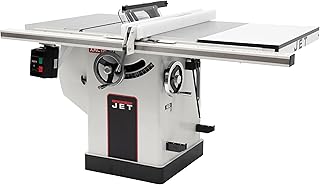
The JET Deluxe XACTA 30-inch is where portability ends and serious shop performance begins. Its 3-horsepower induction motor runs noticeably quieter than universal-motor jobsite saws, and the cast-iron table top provides a flat reference surface that stamped-steel alternatives simply can’t match.
Prostormer 10-Inch Table Saw
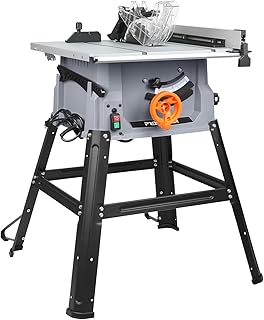
Prostormer’s 15A benchtop saw with stand caters to DIYers tackling decking, trim, and occasional furniture builds. The 5000 RPM motor and 45° bevel give you real versatility at a budget-friendly entry point, though it won’t match the dust collection or fence precision of higher-end models.
JET JTAS-10XL50-1DX
If the 30-inch XACTA isn’t enough room, the 50-inch version solves the problem decisively. A full sheet of plywood slides through without repositioning, and the same rock-solid JET build quality means fence alignment stays true over years of use. This is the one to buy once and stop thinking about table saws for a long time.
Frequently Asked Questions
Who makes the best table saw for home woodworking?
For most home woodworkers, DEWALT and JET lead their respective categories — DEWALT for portable jobsite performance and JET for stationary shop accuracy. The right choice depends on whether your saw needs to travel or stay put.
Is a 10-inch table saw enough for furniture building?
Absolutely. A 10-inch blade cuts up to 3-1/8 inches deep at 90°, which handles every hardwood dimension you’ll find in standard lumber. The blade size matters far less than fence accuracy and motor consistency for furniture-grade work.
What’s the difference between a jobsite saw and a cabinet saw?
Jobsite saws use universal motors in lightweight frames built for transport. Cabinet saws house induction motors in heavy cast-iron bodies designed to minimize vibration and maximize precision. Jobsite saws suit contractors; cabinet saws suit dedicated workshops.
How much should I spend on my first table saw?
Budget between $350 and $700 for a capable 10-inch saw with a decent stand. You’ll get reliable performance and meaningful rip capacity without paying for features that only matter in commercial production settings.
Final Thoughts
Our top recommendations for 2026: the DEWALT DWE7491RS for the best overall blend of power and portability, the JET JTAS-10XL30-DX if you’re ready to commit to a real workshop saw, and the SKIL TS6307-00 for buyers who need solid performance at the lowest reasonable price. Match the saw to your space, and you’ll spend less time fussing with the tool and more time actually building.