Key takeaways
- Measure your mattress depth, width, and length before choosing a fitted or deep-pocket topper.
- Use a breathable cotton or bamboo-derived sheet rather than tight, heavy bedding over foam.
- Rotate the topper occasionally if the manufacturer permits it; do not fold memory foam sharply.
- Place the topper on a clean, supportive mattress and allow compressed foam to fully expand before sleeping on it.
What's inside
Side sleeping can feel comfortable until your mattress starts pressing into your shoulder and hip. Because your body rests on a narrower line of contact, a mattress that feels supportive on your back may create painful pressure on your side. The right topper can soften that surface, improve alignment, and extend the useful life of a mattress that is otherwise in decent condition.
This guide explains how to choose a topper for side sleeping without relying on vague “cloud-like” claims. We’ll look at thickness, material, cooling, support, fit, and care, then compare practical options ranging from washable pillow-top pads to denser memory foam. A topper cannot repair a sagging mattress, but it can make a meaningful difference when firmness or pressure relief is the main problem.
As an Amazon Associate we earn from qualifying purchases.



Start with the problem you want to solve
Before shopping, decide whether your main issue is pressure, firmness, heat, or movement. Side sleepers usually benefit from enough cushioning for the shoulder and hip to sink slightly, while still keeping the spine level. If your mattress feels hard and you wake with sore joints, a 3-inch memory foam topper is often the most noticeable upgrade.
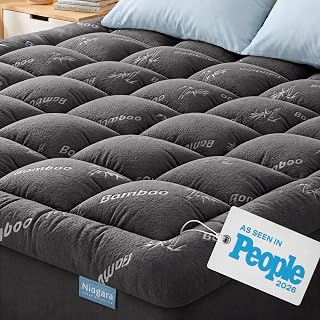
If the mattress is already comfortable but feels warm or lacks surface softness, a quilted fiber topper may be a better choice. The BEDLORE Queen Mattress Topper Viscose Bamboo uses a stretchable skirt designed for mattresses from 6 to 18 inches deep, making it useful when you want a softer, more breathable layer without the deeper “sinking” feel of foam. The Niagara Sleep Solution Ultra Soft & Cooling Mattress Topper is another pillow-top-style option aimed at hot sleepers and beds with deeper pockets.
Choose the right thickness and firmness
For most side sleepers, 2 to 3 inches is the useful range. A 2-inch topper can take the edge off a firm mattress while preserving more of its original support. A 3-inch topper offers more pressure relief and is generally better for broad shoulders, prominent hips, or a particularly firm sleep surface.
Thickness is not the same as softness. High-density foam may feel supportive and slow-moving, while a lower-density or fiber-filled pad may feel more buoyant. If you are lighter in weight, an extremely firm foam topper may not compress enough at the shoulder. Heavier sleepers may prefer a denser construction that resists bottoming out. When uncertain, medium-plush foam around 3 inches is a sensible starting point, provided the underlying mattress is not sagging.
Memory foam versus a quilted mattress pad
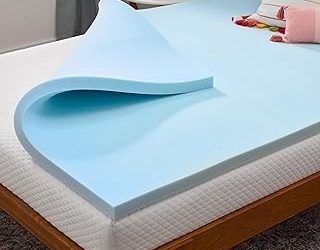
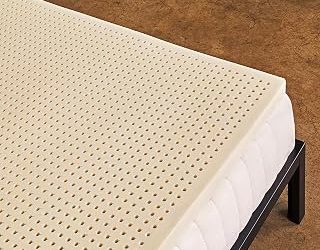
Memory foam is usually the stronger choice for pressure relief. It contours around the shoulder and hip, reducing the concentrated pressure that causes numbness or aching. The PERLECARE 3 Inch Gel Memory Foam Mattress Topper combines a foam core with a removable, washable cover and a non-slip design. The ViscoSoft 3 Inch Memory Foam Mattress Topper uses ventilated high-density foam and a removable rayon cover, making it worth considering if you want deeper contouring with a more substantial feel.
Gel foam may help disperse heat, but it does not make a topper genuinely cold. Bedroom temperature, sheets, humidity, and your own sensitivity matter just as much. A quilted bamboo- or rayon-derived cover can feel cooler at first contact and is easier to launder than foam itself. The Ultra Soft & Cooling Mattress Topper in Full size is a practical pad-style choice for shoppers who want breathable cushioning and full-bed coverage rather than a thick molded foam layer.
Check fit, movement, and maintenance
A topper should stay centered when you turn over. Look for elastic straps, a fitted skirt, or a non-slip bottom, especially if you have an adjustable base or a restless sleeping partner. Measure the mattress depth before ordering. Deep-pocket designs are helpful for tall mattresses, but an oversized skirt can bunch on a shallow bed.
Removable, washable covers are a useful feature because foam toppers generally should not be machine-washed. The VALUXE 3 Inch Gel Memory Foam Mattress Topper includes a removable and washable bamboo cover, while the PERLECARE model offers similar cover convenience. Check care instructions carefully: many covers require a gentle cycle and air drying, and foam may need several hours—or longer—to expand and release its packaging odor after delivery.
Know when a topper is the wrong fix
A topper can soften a surface, but it cannot correct a mattress with a deep permanent dip. If your hips still sink below your shoulders after adding a topper, your spinal alignment may worsen rather than improve. In that situation, replacement is usually more effective. Also consider your pillow: side sleepers often need a taller pillow to fill the space between the mattress and neck, and the wrong pillow can mimic a mattress-support problem.
Give a new topper several nights before judging it, unless it causes immediate pain or an obvious alignment issue. Foam changes slightly as it warms, and your body may need time to adjust. Keep the receipt and review the trial or return policy, since comfort is personal and product descriptions cannot predict how every sleeper will respond.
Tips
- Measure your mattress depth, width, and length before choosing a fitted or deep-pocket topper.
- Use a breathable cotton or bamboo-derived sheet rather than tight, heavy bedding over foam.
- Rotate the topper occasionally if the manufacturer permits it; do not fold memory foam sharply.
- Place the topper on a clean, supportive mattress and allow compressed foam to fully expand before sleeping on it.
Frequently Asked Questions
What thickness is best for a side sleeper?
Three inches is a versatile choice for pressure relief, particularly on a firm mattress. Choose 2 inches if you want a subtler change or prefer a more responsive feel. More thickness is not automatically better if the base mattress already lacks support.
Is memory foam too hot for side sleepers?
It can feel warmer than an open fiber pad, but ventilated foam, gel infusions, breathable covers, light bedding, and a cool bedroom can reduce the problem. Hot sleepers should prioritize airflow and a washable, breathable cover rather than assuming every “cooling” label means a cold sleep surface.
Can a mattress topper help shoulder and hip pain?
It may help when pain comes from pressure against a surface that is too firm. It is less likely to help—and may make matters worse—if the mattress sags or your neck and spine are poorly aligned. Persistent or severe pain deserves medical advice rather than a bedding-only solution.
How long should a good topper last?
Durability depends on material, density, body weight, use, and care. Dense foam usually lasts longer than inexpensive fiber fill, but all toppers eventually soften. Visible permanent impressions, uneven support, or recurring discomfort are signs that replacement may be due.
Conclusion
The best mattress topper for side sleepers in 2026 is the one that relieves shoulder and hip pressure without allowing your spine to sag. For substantial contouring, compare 3-inch memory foam models such as the PERLECARE, ViscoSoft, and VALUXE options. For lighter cushioning, easier washing, and a cooler pillow-top feel, consider the BEDLORE, Niagara Sleep Solution, or Ultra Soft & Cooling pad. Match the topper to the condition of your mattress, measure carefully, and judge comfort by alignment and pressure relief—not by thickness alone.