Key takeaways
- Memory foam: Offers close body contouring and pressure relief. It is often a good choice for back pain, but denser foam can retain heat and feel harder to turn on.
- Fiber-filled toppers: Feel more like a traditional pillow-top and are usually breathable. They are comfortable for softening a firm bed, though they may compress or require regular reshaping.
- Bamboo-derived covers: Rayon or viscose derived from bamboo can feel smooth and breathable, but the cover alone does not determine how cool the topper will sleep. Foam density, room temperature, sheets, and airflow matter too.
- Gel-infused foam: May help manage initial warmth, but “gel” is not a guarantee of an actively cool sleeping surface.
What's inside
Back pain can make an otherwise comfortable bedroom feel like a daily obstacle. A mattress topper will not correct every cause of discomfort, but the right one can soften pressure at the shoulders and hips, improve spinal alignment, or make an overly firm mattress easier to live with. The wrong topper, however, may allow your middle to sink too far and leave you stiffer in the morning.
This guide takes a practical home-comfort approach to choosing a topper for back pain in 2026. You’ll learn how firmness, thickness, materials, sleeping position, temperature control, and mattress condition affect the result, along with how to judge whether a topper is worth trying in your own bedroom.
As an Amazon Associate we earn from qualifying purchases.


Our Recommended Picks
1. Start With Your Existing Mattress
A topper changes the surface of your bed; it does not replace the support system underneath. If your mattress has a deep sag, broken springs, or a noticeable slope toward the center, a topper may disguise the problem temporarily but cannot reliably restore alignment. In that situation, replacement is usually the more sensible long-term decision.
For a mattress that is structurally sound but feels too firm, a pressure-relieving topper can be useful. If it feels too soft, be cautious: adding another plush layer may worsen sagging. A supportive, thinner foam topper may help slightly, but a severely soft mattress generally needs replacing rather than padding.
2. Choose Firmness Around Your Sleeping Position
Side sleepers usually benefit from enough cushioning to let the shoulders and hips settle without pushing the spine out of line. A plush fiber topper or softer memory foam can work well, particularly on a firm mattress. The ELEMUSE Queen Mattress Topper, with its overfilled down-alternative construction, is aimed at sleepers who want a pillow-top feel rather than a dense foam surface.
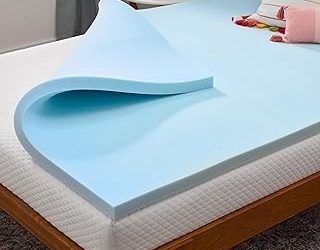
Back sleepers typically need a middle ground: enough give for the lower back, but not so much that the pelvis sinks. A three-inch memory foam model such as the ViscoSoft 3 Inch Memory Foam Topper can provide noticeable contouring while retaining more support than an extra-thick bed pad. Stomach sleepers should generally avoid very soft, deep toppers, which can let the abdomen and hips drop and strain the lower back.
3. Understand the Main Materials
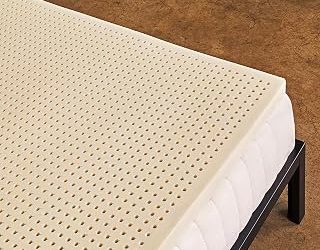
- Memory foam: Offers close body contouring and pressure relief. It is often a good choice for back pain, but denser foam can retain heat and feel harder to turn on.
- Fiber-filled toppers: Feel more like a traditional pillow-top and are usually breathable. They are comfortable for softening a firm bed, though they may compress or require regular reshaping.
- Bamboo-derived covers: Rayon or viscose derived from bamboo can feel smooth and breathable, but the cover alone does not determine how cool the topper will sleep. Foam density, room temperature, sheets, and airflow matter too.
- Gel-infused foam: May help manage initial warmth, but “gel” is not a guarantee of an actively cool sleeping surface.
The Niagara Sleep Solution Ultra Soft & Cooling Topper and BEDLORE Queen Viscose Bamboo Topper are examples of plush, breathable pad-style options. They may suit someone who wants surface softness without the more enveloping feel of thick memory foam.
4. Treat Thickness as a Support Decision
Thickness affects both comfort and alignment. Around two to three inches is often a sensible starting point for back-pain relief because it can relieve pressure without radically changing the bed’s geometry. Four- and five-inch toppers create a much plusher transformation, but they also increase the chance of sinking too deeply, especially for lighter mattresses or heavier sleepers.
The WhatsBedding 5 Inch Memory Foam Topper and SHOUREN 5 Inch Gel Memory Foam Topper are substantial choices for shoppers seeking a very cushioned pillow-top feel. Before buying one, check that your mattress has enough underlying support and that fitted sheets will accommodate the added height. Extra-deep pockets and straps can help, but they cannot prevent every topper from shifting.
5. Check Fit, Movement, and Maintenance
Measure the mattress, including its depth, rather than relying only on the bed size. A topper should cover the sleeping surface without excessive overhang. Deep-pocket sheets are helpful, particularly with thick models, while corner straps or elastic bands can reduce movement on a smooth mattress.
Memory foam often needs time to expand after unpacking and may have a temporary “new product” odor. Air it in a well-ventilated room and follow the manufacturer’s instructions before sleeping on it. Look for a removable, washable cover where possible. A topper protector is worthwhile because many foam cores cannot be machine washed.
Tips
- Give your body several nights to adjust, but stop if pain becomes clearly worse or new numbness develops.
- Use a pillow that keeps your neck level; a topper can change the ideal pillow height.
- Rotate a fiber-filled topper regularly and fluff it if the manufacturer recommends doing so.
- Review the return policy before buying, since comfort is personal and firmness descriptions are not standardized.
Frequently Asked Questions
Can a mattress topper cure back pain?
No. It may improve comfort and reduce pressure caused by an unsuitable mattress, but it cannot treat an injury or medical condition. Persistent, severe, or radiating pain deserves advice from a qualified healthcare professional.
Is memory foam best for lower-back pain?
It can be a strong option because it distributes pressure and conforms to the body. The best result depends on firmness, thickness, body weight, and sleeping position. Very soft foam is not automatically more supportive.
How thick should a topper be for back pain?
Two to three inches is a practical starting range for many sleepers. Choose thicker models only when you specifically want a deep plush feel and your mattress is supportive enough underneath.
How long does a mattress topper last?
Durability varies by material, density, body weight, and use. A quality foam topper may last several years, while fiber fill can flatten sooner. Persistent dips, lumps, or loss of comfort are signs it is time to replace it.
Conclusion
The best mattress topper for back pain is the one that corrects your bed’s main comfort problem without sacrificing alignment. Begin with the mattress you have, match firmness to your sleeping position, and consider moderate-thickness memory foam for contouring or a breathable fiber topper for gentler cushioning. Products such as the ViscoSoft, Niagara Sleep Solution, BEDLORE, ELEMUSE, WhatsBedding, and SHOUREN models cover distinctly different comfort preferences, so choose based on support and fit—not simply the softest description.