Key takeaways
- Use a pillow tall enough to fill the space between your head and shoulder, keeping your neck level while you test the topper.
- Give memory foam at least 48 hours to expand and lose its initial packaging odor in a well-ventilated room.
- Rotate a fiber-filled topper periodically to distribute compression and prolong its loft.
- Choose a breathable, washable protector that fits over the mattress and topper as one unit.
What's inside
Side sleepers usually need a mattress topper to solve a specific problem: too much pressure at the shoulder and hip, often combined with a mattress that feels either too firm or too warm. The right topper can add cushioning, improve spinal alignment and make an otherwise serviceable bed more comfortable without the cost of replacing the mattress.
This guide explains what to look for in a side-sleeper topper, from thickness and material to temperature control and fit. It also compares several practical options, including plush fiber pads, bamboo-viscose designs and responsive gel memory foam, so you can choose based on your sleeping style rather than marketing language alone.
As an Amazon Associate we earn from qualifying purchases.



🛒 Best Price Today on Amazon
Prime members get fast, free shipping on everything above, plus member-only deals. New members get a 30-day free trial — cancel anytime.
Our Recommended Picks
Choose the Right Thickness and Firmness
For most side sleepers, a topper between 2 and 4 inches thick provides the best balance of pressure relief and stability. A 2-inch layer can soften a firm mattress without dramatically changing its feel. A 3-inch topper generally offers more noticeable contouring for prominent shoulders and hips, while a 4-inch or thicker model is better suited to very firm beds or people who need substantial cushioning.
Thickness is not the same as softness. A dense memory-foam topper may feel supportive despite being thick, while a lofty fiber-filled pad can feel plush but compress more quickly. If your mattress is already soft or sagging, avoid adding a very soft topper: it may let your pelvis sink too far and make alignment worse. A medium-firm foam topper or a thinner quilted pad is usually the safer choice.
Pick a Material That Matches Your Sleep Style
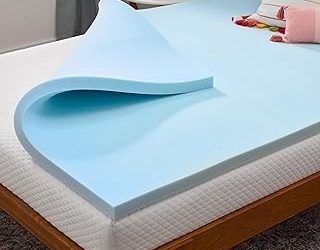
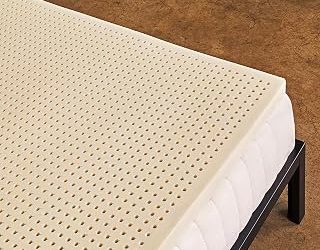
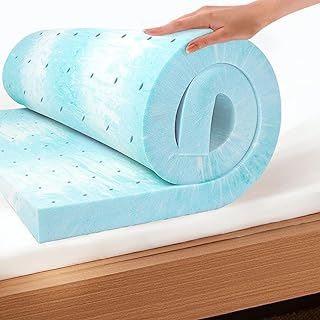
Memory foam is particularly effective for side sleepers because it spreads pressure away from the shoulder and hip. Gel-infused or ventilated foam may feel less stuffy than traditional foam, although no topper can fully compensate for a hot bedroom, heavy bedding or a mattress with poor airflow. The EGO 3 Inch Gel Memory Foam Topper and Linenspa 2 Inch Gel Memory Foam Topper are sensible options for shoppers who want contouring with a cooling-focused design.
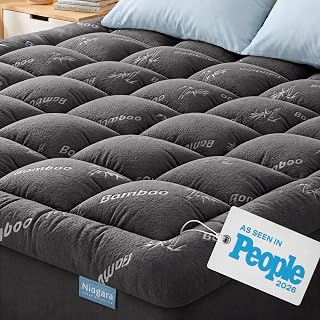
Fiber-filled and bamboo-viscose toppers create a softer, more pillow-like surface. They are often easier to wash and may feel airier than foam, but they provide less precise support and can flatten over time. Niagara Sleep Solution’s Ultra Soft & Cooling Topper and the BEDLORE Viscose Bamboo Topper suit sleepers who prefer a cushioned, fabric-top feel rather than the slow-sinking sensation of memory foam.
For a particularly plush surface, the WhatsBedding 5 Inch Bamboo Viscose Air Layer Topper offers substantial loft. Its generous profile may appeal to someone with a very firm mattress, but check your fitted-sheet depth carefully before ordering.
Prioritize Spinal Alignment and Pressure Relief
Lie on your side and imagine a straight line running from your neck through your spine to your hips. Your shoulder and hip should sink enough to remove pressure, while your waist remains supported rather than dipping toward the mattress. If you wake with numbness, aching at the outer hip or stiffness through the lower back, your current sleep surface may be too firm, too soft or uneven.
Foam is usually the more dependable choice when pressure relief is the main concern, particularly for lighter sleepers who do not compress a mattress very deeply. A quilted cotton or bamboo pad may be enough for mild firmness issues, but it is unlikely to correct a seriously rigid mattress. Also remember that a topper cannot repair permanent sagging: if the underlying mattress has a deep body impression, replacement may be the better long-term solution.
Check Fit, Care and Temperature Control
A topper that shifts or bunches can undo its comfort benefits. Look for elastic straps, a grippy underside or a fitted skirt with enough stretch for your mattress and topper together. Deep-pocket designs are useful when the combined height is substantial. The Niagara topper has a 20-inch pocket, BEDLORE is designed for mattresses around 6 to 18 inches, and EASELAND’s cotton mattress pad accommodates roughly 8 to 21 inches. Measure your bed rather than relying on the advertised range alone.
Washability also matters. Fiber pads with removable or machine-washable covers are convenient for households with pets, children or allergies. EASELAND’s cotton pillow-top pad is a practical washable choice, though a pad is not a substitute for a waterproof mattress protector. Foam toppers generally require spot cleaning and careful airing, so use a breathable protector and allow a new topper to fully expand before making the bed.
Consider Your Existing Mattress
Start with the mattress, not the topper. On a firm innerspring or foam mattress, a 3-inch pressure-relieving topper may add the cushioning a side sleeper needs. On a medium mattress that feels slightly hard, 2 inches may be sufficient. If the bed already feels enveloping, choose a thinner, more supportive layer to avoid excessive sink and difficult movement.
Bed height is another practical consideration. Adding several inches can make fitted sheets too tight, raise the sleeping surface noticeably and make getting in or out less convenient. Give a foam topper time to expand and air out according to the manufacturer’s instructions, then test it with your normal pillow and bedding. A topper changes your alignment, so your pillow may need adjustment too.
Tips
- Use a pillow tall enough to fill the space between your head and shoulder, keeping your neck level while you test the topper.
- Give memory foam at least 48 hours to expand and lose its initial packaging odor in a well-ventilated room.
- Rotate a fiber-filled topper periodically to distribute compression and prolong its loft.
- Choose a breathable, washable protector that fits over the mattress and topper as one unit.
Frequently Asked Questions
What thickness is best for a side sleeper?
A 2- to 4-inch topper is the usual range. Choose closer to 2 inches for a mildly firm mattress and closer to 3 or 4 inches when you need stronger shoulder and hip cushioning. Very thick toppers can feel unstable if the mattress underneath is already soft.
Is memory foam or a pillow-top pad better?
Memory foam generally provides more targeted pressure relief and motion isolation. A pillow-top pad feels softer and more breathable, and it is often easier to wash. Your choice depends on whether you prioritize contouring support or a fluffy, fabric-like sleep surface.
Can a topper fix back pain?
It may reduce discomfort caused by excessive firmness or poor pressure distribution, but it is not a treatment for an underlying medical condition. Persistent, severe or worsening pain should be discussed with a qualified healthcare professional. A topper also cannot correct a mattress with major structural sagging.
How do I stop a mattress topper from sliding?
Use a topper with a fitted skirt, elastic straps or a nonslip base, and make sure the bed frame is level. A tightly fitted sheet over both the mattress and topper can help. If movement continues, a thin nonslip rug pad designed for bedding may provide additional grip.
Conclusion
The best mattress topper for a side sleeper is thick enough to cushion the shoulder and hip, supportive enough to keep the spine level and breathable enough for your sleeping environment. Gel memory foam, such as the EGO or Linenspa, is a strong choice for pressure relief, while Niagara, BEDLORE, WhatsBedding and EASELAND offer softer fiber or bamboo-focused alternatives. Match the topper to your existing mattress, confirm the pocket depth and choose care requirements you will realistically maintain.