Key takeaways
- Unbox the mattress on or near its final foundation; compressed mattresses become awkward to move after expansion.
- Allow the full recommended expansion time before judging firmness, especially if the room is cool.
- Use breathable sheets and a lighter comforter if overheating is a concern; bedding can change the sleep temperature substantially.
- Keep the packaging and order information until you are certain you will keep the mattress and understand the return procedure.
What's inside
A mattress in a box can make upgrading a bedroom simpler: it arrives compressed, fits through narrow hallways, and usually costs less to deliver than a traditional mattress. The trade-off is that online listings can make very different constructions sound interchangeable. Foam density, coil design, firmness, cooling materials, and trial policies all affect how comfortable the bed feels after the first few nights.
This guide explains how to choose a boxed mattress for your sleeping position, body support needs, room temperature, and budget. It also highlights what to check before ordering, how long to let a compressed mattress expand, and which features matter most when comparing queen-size models.
As an Amazon Associate we earn from qualifying purchases.


Our Recommended Picks
Start With Mattress Construction
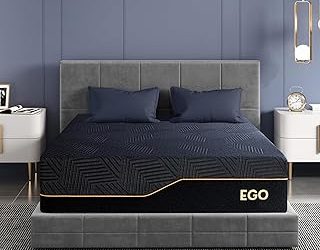
The two main categories are all-foam and hybrid mattresses. All-foam models use layers of memory foam or other polyurethane foams. They tend to absorb movement well and can provide a close, cushioned feel around the shoulders and hips. The EGOHOME 10 Inch Queen Mattress, for example, uses memory foam with cooling green tea gel and medium-firm support, making this type of design worth considering for sleepers who prefer a simpler, contouring feel.
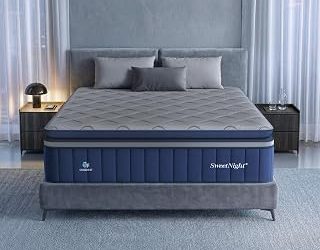
Hybrid mattresses combine foam comfort layers with pocketed coils. The springs usually add airflow, edge reinforcement, and a more responsive surface that is easier to move across. The Sleepmax 14 Inch Queen Mattress is a thicker hybrid option aimed at pressure relief and cooling. Hybrid construction is often a practical middle ground for couples, combination sleepers, and people who dislike the “sinking” sensation associated with dense memory foam.
Match Firmness to Your Sleep Position
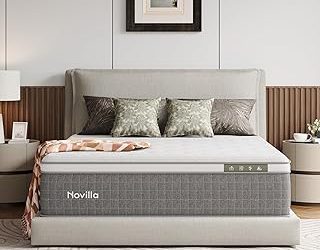
Firmness is personal, but sleeping position provides a useful starting point. Side sleepers generally need enough cushioning to let the shoulder and hip settle without creating pressure points. A medium or medium-soft comfort layer may work well, especially for lighter-weight sleepers. The Novilla 12 Inch Queen Mattress uses gel memory foam and is designed around cushioning and pressure relief.
Back sleepers usually benefit from a balanced surface: soft enough to cushion the lower back, but supportive enough to keep the pelvis from dropping too far. Stomach sleepers often need a firmer, more supportive mattress to help maintain a neutral spine. Heavier sleepers may also prefer a sturdier hybrid or a thicker mattress, although thickness alone does not guarantee better support. When possible, look for a clearly stated firmness level and a generous home trial rather than relying on marketing language.
Consider Cooling and Motion Control
Memory foam can feel warm because it conforms closely to the body and restricts air movement. Gel infusions, breathable covers, ventilated foam, and coil systems may help, but no material can compensate fully for a hot bedroom, heavy bedding, or a naturally warm sleeper. A hybrid with pocket springs may feel more ventilated than a dense all-foam bed. The FATHOM Medium 12 Inch Queen Mattress combines gel foam with a removable fiberglass-free cover and is positioned for cool sleep and pressure relief.
For couples, motion isolation may matter more than cooling. All-foam beds typically reduce movement effectively, while individually wrapped coils can also limit disturbance better than traditional connected springs. Pay attention to edge support as well: a stronger perimeter makes it easier to sit down, get up, or use the full width of the mattress.
Check Materials, Safety, and Warranty Details
CertiPUR-US certification indicates that qualifying flexible polyurethane foams have been evaluated against specified emissions, content, and performance criteria. It is a useful material-screening detail, but it does not tell you whether the mattress will feel soft or last for a particular number of years. Also check whether the cover is removable, washable, or intended only for spot cleaning.
Fiberglass-free construction is another detail many shoppers actively seek, particularly when comparing mattress covers and fire-barrier materials. Several of the listed models, including the FATHOM mattress and the 12 Inch Queen Hybrid Memory Foam Mattress with Pocket Springs, identify themselves as fiberglass-free. Read the manufacturer’s care instructions before removing any cover, and confirm the warranty, return process, trial length, and foundation requirements before purchase.
Choose the Right Height and Support Base
A 10-inch mattress can be easier to handle and may suit sleepers who prefer a lower profile. Twelve- and 14-inch models generally provide more room for layered comfort materials, though they can be heavier and may require deeper fitted sheets. The two 12-inch pocket-spring options—one emphasizing motion isolation and the other lumbar support—illustrate how similar heights can still target different needs.
Use a solid, appropriately spaced platform, slatted base, or adjustable foundation that meets the brand’s requirements. An unsuitable base can cause sagging, reduce airflow, or affect warranty coverage. Measure doorways, stairwells, and the bed frame before ordering; a queen mattress is commonly about 60 by 80 inches, but the expanded dimensions can vary slightly by brand.
Tips
- Unbox the mattress on or near its final foundation; compressed mattresses become awkward to move after expansion.
- Allow the full recommended expansion time before judging firmness, especially if the room is cool.
- Use breathable sheets and a lighter comforter if overheating is a concern; bedding can change the sleep temperature substantially.
- Keep the packaging and order information until you are certain you will keep the mattress and understand the return procedure.
Frequently Asked Questions
How long does a mattress in a box take to expand?
Many mattresses become usable within several hours, but full expansion can take longer. Follow the brand’s instructions and avoid evaluating the final feel immediately after opening. A temporary odor, often called off-gassing, may also fade with ventilation.
Are hybrid mattresses better than memory foam?
Neither is universally better. Choose memory foam for pronounced contouring and strong motion absorption; choose a hybrid if you want more bounce, airflow, or edge stability. Your weight, sleep position, and temperature preferences are more important than the category name alone.
What firmness is best for back pain?
A medium to medium-firm surface is a sensible starting point because it can balance cushioning with support. However, back pain has many causes, and comfort varies by body shape. Use the trial period to assess whether your spine feels supported and whether you wake with new pressure or stiffness.
Can a mattress in a box go on any bed frame?
It should rest on a sturdy base with the spacing and weight capacity specified by the manufacturer. A weak or widely spaced frame may damage the mattress and could invalidate the warranty. Check compatibility before opening the box.
Conclusion
The best mattress in a box is the one whose construction matches your sleeping position, preferred firmness, temperature needs, and support expectations. Compare foam and hybrid designs, look closely at certifications and fiberglass-free claims, verify the foundation requirements, and prioritize a clear trial and return policy. Models such as the EGOHOME, Sleepmax, Novilla, FATHOM, and pocket-spring queen mattresses offer different approaches, so the right choice is less about the tallest box and more about the features you will notice every night.